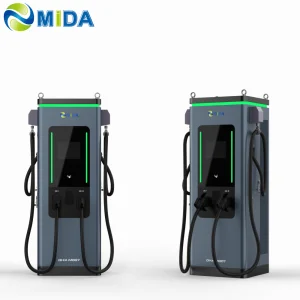
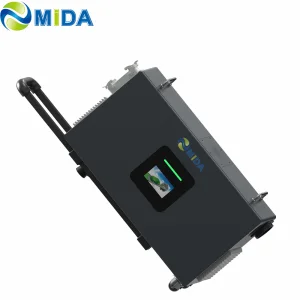
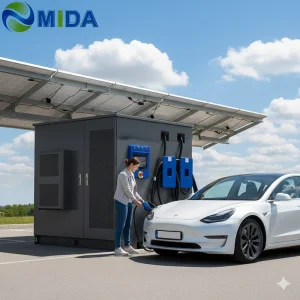
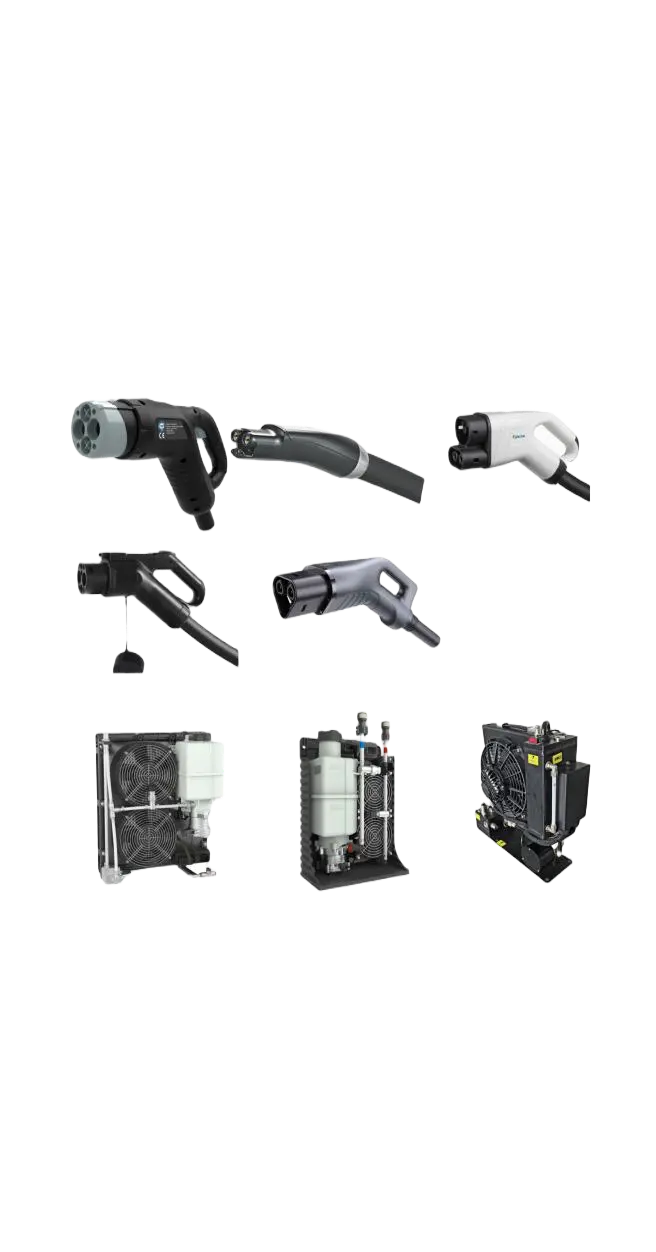
Shanghai Mida Cable Group Ltd. operates through its wholly owned subsidiaries: Shanghai Mida EV Power Co., Ltd., Shenzhen Mida EV Power Co., Ltd., and Shanghai Mida New Energy Co., Ltd. As an industry-leading OEM and ODM partner, we specialize in the design, engineering, and mass production of electric vehicle supply equipment (EVSE) components and systems. Our vertically integrated production model allows us to manufacture components ranging from raw EV charging cables to highly complex liquid-cooled megawatt charging systems.
Our state-of-the-art factories are equipped with automated assembly lines, high-precision CNC machines, and rigorous environmental simulation chambers. This ensures that every PHEV charging station, power module, and connector plug meets our uncompromising safety, durability, and operational standards.

Our facilities leverage strict industrial protocols to serve automotive OEMs, commercial fleet operators, Charge Point Operators (CPOs), and municipal grid projects worldwide.
The electrification landscape is experiencing a massive convergence. While early infrastructure focused on basic AC charging, modern Plug-in Hybrid Electric Vehicles (PHEVs) and Battery Electric Vehicles (BEVs) are requiring higher charging capacities. Modern commercial PHEVs, regional delivery trucks, and high-performance passenger vehicles are equipped with larger battery packs. Consequently, there is a global shift toward high-efficiency DC fast charging stations that can deliver rapid power top-ups without causing excessive battery degradation.
Our R&D efforts are focused on the integration of Vehicle-to-Grid (V2G) bidirectional systems and Battery Energy Storage Systems (BESS). These technologies help mitigate grid instability caused by peak charging loads, allowing operators to store cheap off-peak power and feed energy back to the grid when demand spikes.
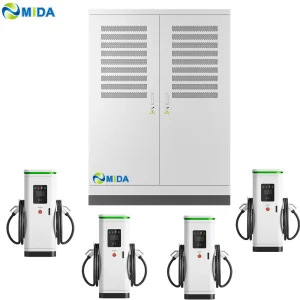
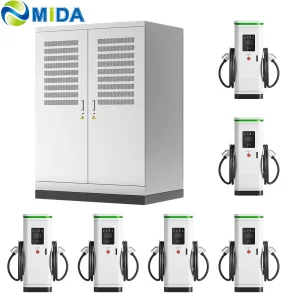
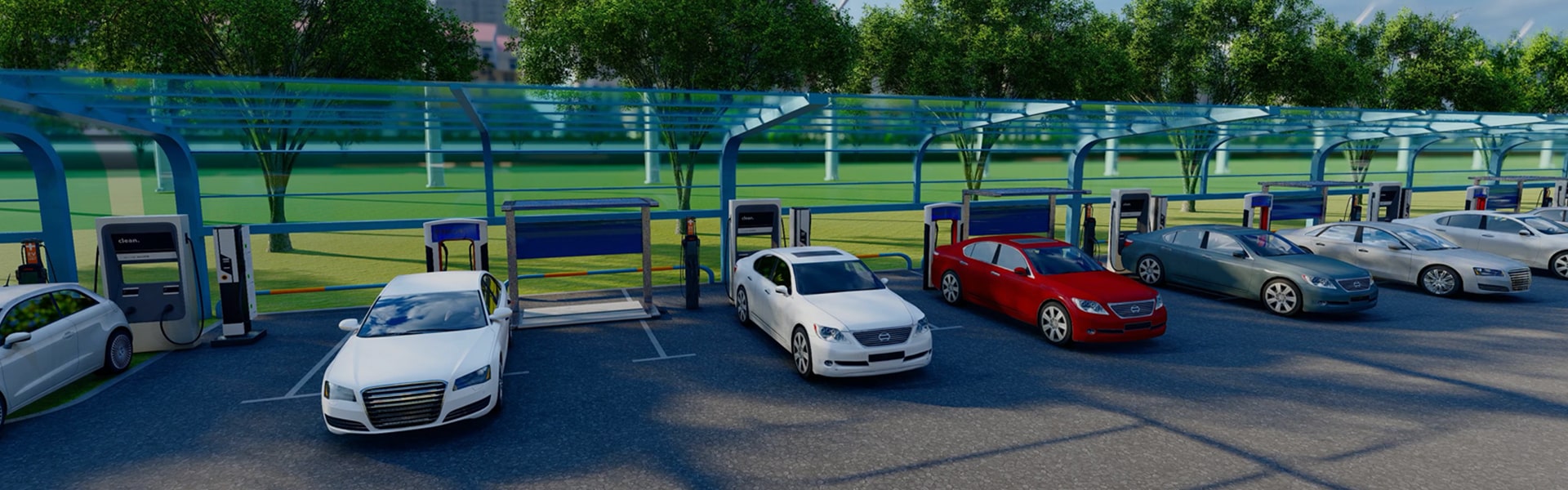
Smart DLB algorithms allocate power based on real-time vehicle demands and grid limitations. Rather than installing expensive grid upgrades, operators can deploy multiple charging dispensers connected to a centralized power stack, maximizing throughput and reducing capital expenditure.
Security and communication standards are vital for enterprise deployment. Our charging stations support the OCPP 2.0.1 JSON protocol, facilitating seamless backend communication, secure payment gateways, and Plug & Charge functionalities (ISO 15118) for automated user authorization.
Explore our comprehensive product portfolio engineered for commercial, municipal, and industrial electric mobility infrastructure.
As transit authorities and large logistics fleets shift to clean energy, high-power automated systems are becoming a primary operational requirement. E-Bus Pantograph systems represent a major technological advancement for urban transit networks. These systems automate electrical contact from overhead gantries, allowing high-power energy transfer in short intervals without manual cable handling.
Traditional plug-in configurations require depot staff to manually plug and unplug heavy charging cables, increasing labor costs, safety hazards, and physical wear. Pantograph systems allow drivers to park, initiate automated contact via a vehicle-to-gantry interface, and receive massive energy charges in 5 to 15 minutes during brief route layovers. This system optimizes depot space and guarantees reliable charging scheduling.
Our pantograph designs support power delivery systems from 150kW to over 600kW. They feature redundant mechanical overrides, localized heat tracking, and rugged build qualities to endure environmental challenges like snow, heavy rain, and extreme temperature shifts.
High-durability AC charging systems for residential, commercial, and destination locations. Supporting universal standards including Type 1 (SAE J1772) and Type 2 (IEC 62196-2).
View More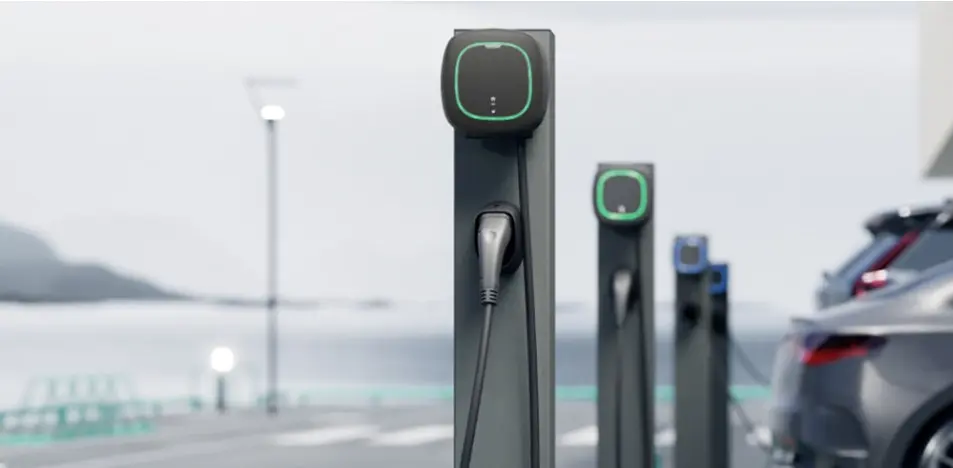
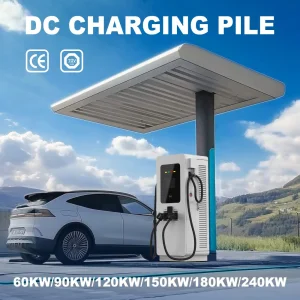
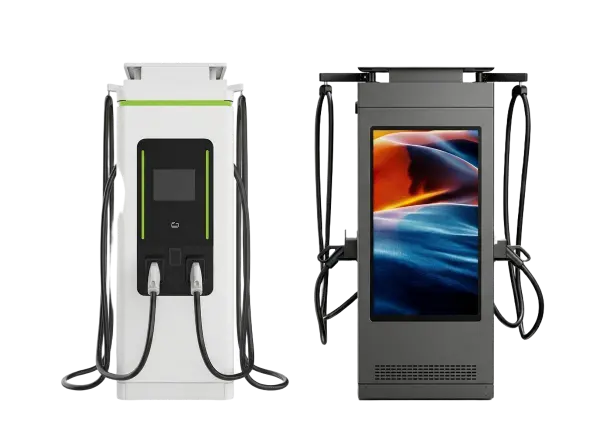
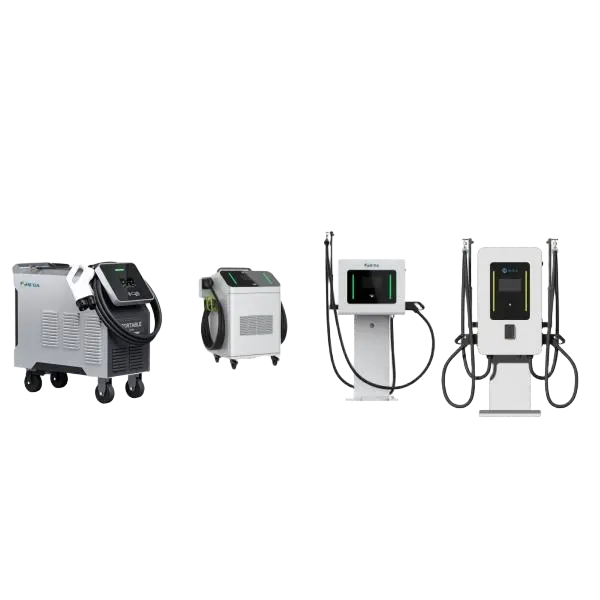
Scalable options from 7kW, 20kW, 30kW, 40kW, 60kW, to 80kW. Flexible charging designs optimized for commercial fleets and workspace charging zones.
View More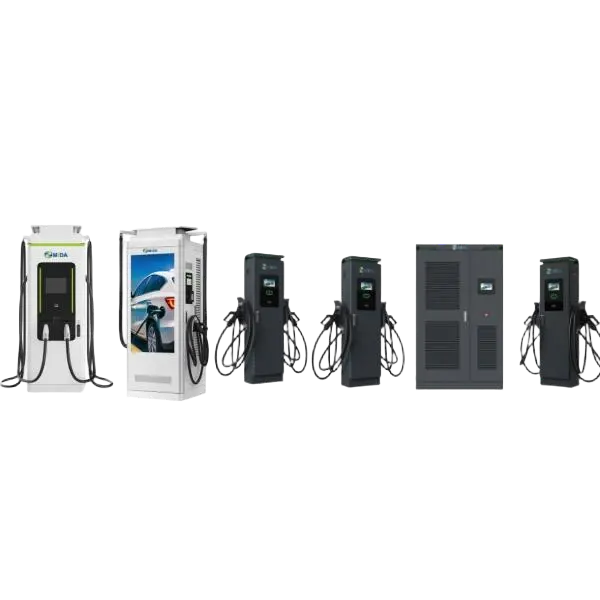
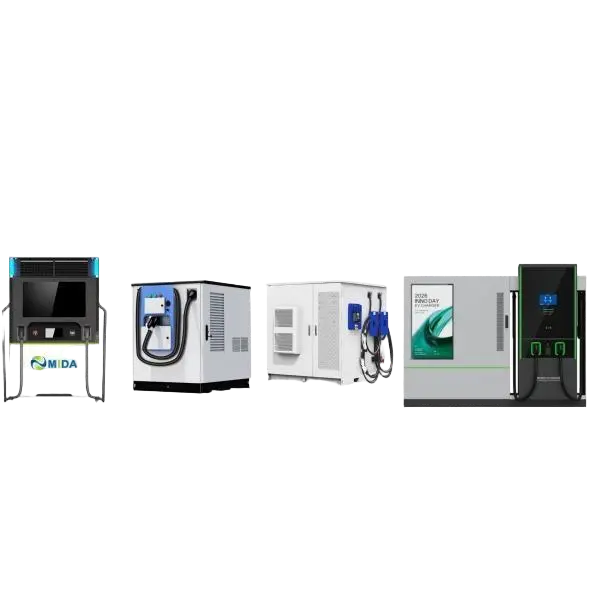
Industrial-grade configurations ranging from 60kW-480kW standalone systems, extending up to 360kW-1440kW liquid-cooled split power cabinets.
View More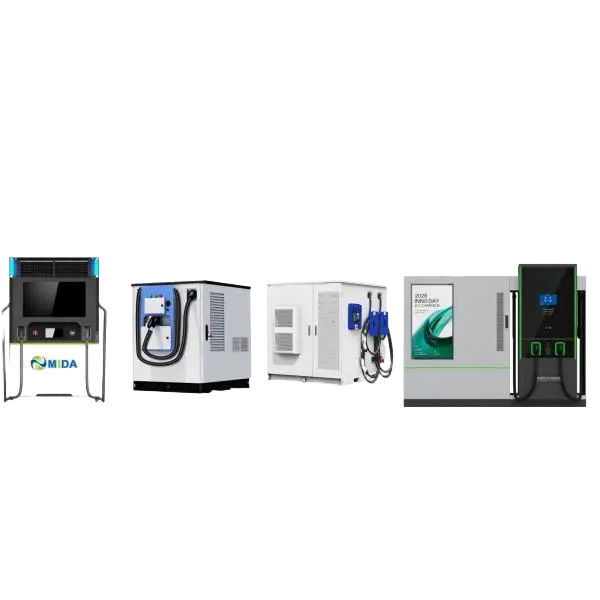
Advanced energy storage integrations. Modular options ranging from 60kWh, 261kWh, 418kWh, 625kWh, up to 2MWh container systems.
View MoreGlobal commercial buyers face unique challenges when procurement teams select PHEV and EV fast charging stations. Key parameters include local grid compatibility, physical footprint constraints, environmental durability, and compliance with local certification standards.
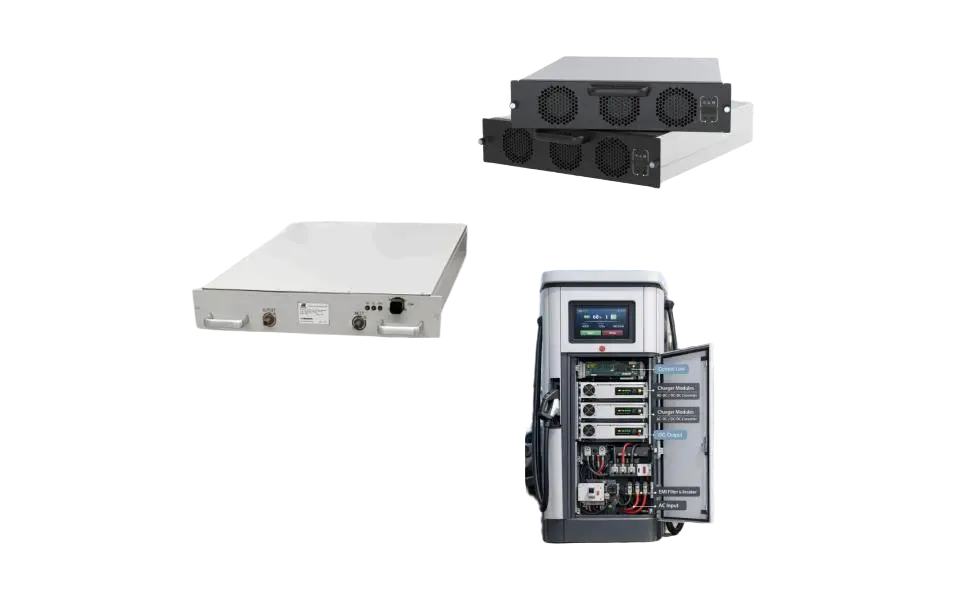
For enterprise procurement directors, the priority is to minimize the Total Cost of Ownership (TCO). While initial acquisition costs are important, maintenance expenses, electrical conversion efficiencies, and modular upgrade pathways are major factors in long-term ROI. By utilizing modular power stacks built with hot-swappable 30kW, 40kW, or 60kW modules, operators can isolate and replace individual faulty modules without taking the entire station offline.
Regulatory compliance is essential for high-power electrical infrastructure deployments. Standard guidelines like Europe's CE (RED directive) and North America's UL/ETL certifications dictate strict requirements for isolation protection, electromagnetic compatibility, and fire safety. Working with MIDA ensures that your charging stations comply with all regional safety and operational standards.
In North America, complying with the UL 2202 standard for DC fast charging equipment and UL 2594 for AC charging stations is a regulatory requirement. Additionally, stations must support both CCS1 and NACS (SAE J3400) connectors, comply with FCC Class A electromagnetic criteria, and feature robust NEMA 3R or NEMA 4 enclosures for outdoor deployment.
European deployments require compliance with IEC 61851-23 for DC fast charging, as well as CE marking, RoHS materials restriction, and Eichrecht compliance in German-speaking regions. These standards guarantee highly precise billing accuracy and transparent energy accounting for end users.
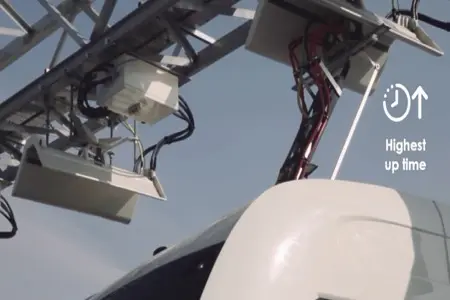
What are the advantages of an e-bus pantograph dome? In contrast to classic plug-in charging systems, e-bus pantograph systems offer automated connection, minimized labor risk, and higher electrical throughput.
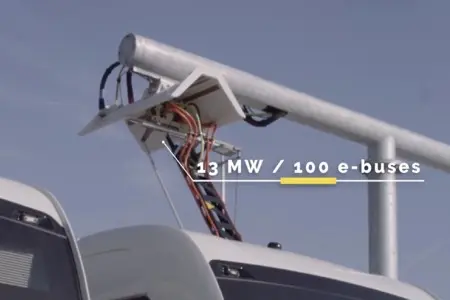
How long does it take to charge with an e-bus pantograph? The charging time depends on the battery capacity and the station configuration, with fast chargers achieving up to 600kW.
How to Install the Pantograph Up Charger System Dome for Electric Bus. Discover step-by-step engineering guidelines, structural demands, and grid safety steps for e-bus hubs.
Our R&D pipeline is focused on three primary areas: maximizing charging efficiency, integrating automated vehicle interfaces, and developing smart energy management systems. As next-generation commercial fleets transition to megawatt-scale power demands, traditional CCS plug standards are being replaced by the Megawatt Charging System (MCS). MCS technology supports up to 1,250V and 3,000A, making it a key focus for our new hardware development.
Additionally, the transition to Silicon Carbide (SiC) semiconductor designs in our power modules allows us to achieve energy conversion efficiencies above 97%. This reduction in heat generation translates directly to lower cooling overhead and reduced energy loss for charging hub operators, helping maximize operational profitability.