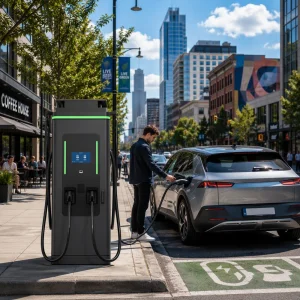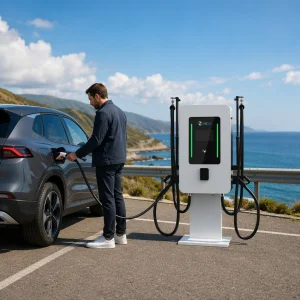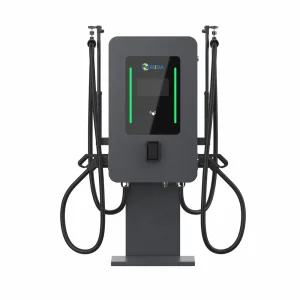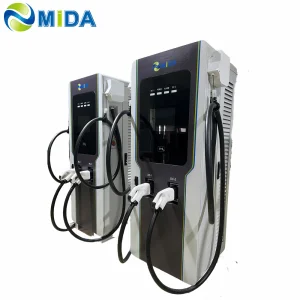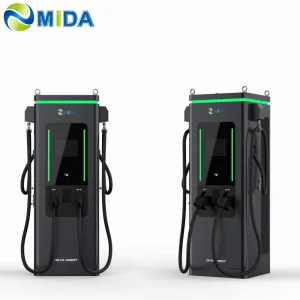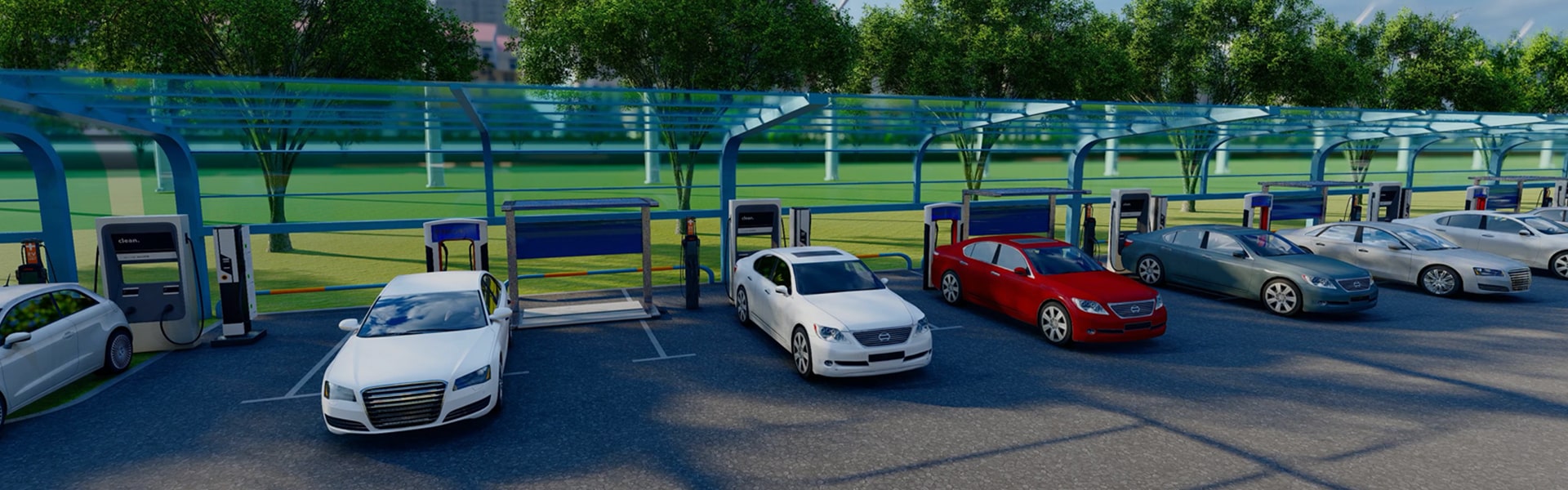
Deploy dependable, rapid charging infrastructure engineered for scalability, open interoperability via OCPP protocols, and harsh environmental conditions.
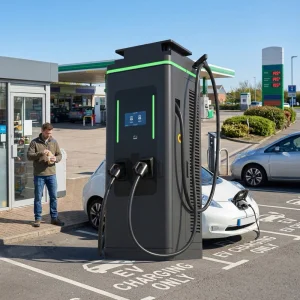
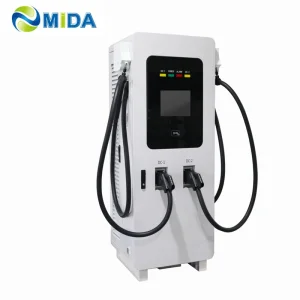
Strategic analysis of technological innovations, grid integrations, and compliance benchmarks transforming commercial fleet and public transit charging infrastructures.
The global electric vehicle infrastructure ecosystem is transitioning rapidly from basic low-capacity AC charge points to ultra-fast Level 3 DC charging networks. As high-capacity battery packs become standard across commercial logistics, public transport, and passenger vehicle fleets, the demand for power delivery systems capable of outputting between 150kW and 480kW+ has skyrocketed. Charge Point Operators (CPOs) and fleet developers are prioritizing systems that minimize dwell times while maximizing grid resource utilization.
“By 2030, global EV charging networks are projected to transition toward integrated megawatt charging standards (MCS) and decentralized battery storage systems (BESS), creating a decentralized power generation network.”
Enables delivery of high-current power exceeding 500A without bulkiness, maintaining manageable cable weights for drivers while protecting connectors from thermal degradation.
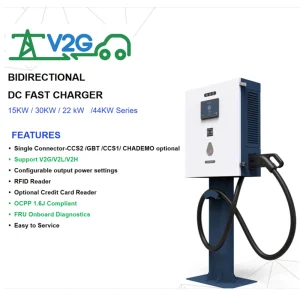
Transforming fleet charging networks from passive loads into active grid resources. Enables power module discharge back to local microgrids during peak utility tariffs.
Battery Energy Storage Systems buffer peak energy draws. By buffering localized battery packs with grid power, site owners avoid massive dynamic power upgrade penalties.
From a hardware architectural perspective, building scalable EV fast-charging corridors requires deep alignment with global standards, including ISO 15118 (enabling secure Plug & Charge authentication), OCPP 1.6J and 2.0.1 protocols, and local grid code compliance certifications such as TUV Rheinland, CE, and UL listings. Advanced power module design remains the core competitive front, where high power density, superior thermal performance, and low harmonic distortion are essential requirements for modern grid operators.
Shanghai Mida Cable Group Ltd. serves as a premier manufacturer of electric vehicle charging infrastructure, operating via dedicated subsidiaries: Shanghai Mida EV Power Co., Ltd., Shenzhen Mida EV Power Co., Ltd., and Shanghai Mida New Energy Co., Ltd.
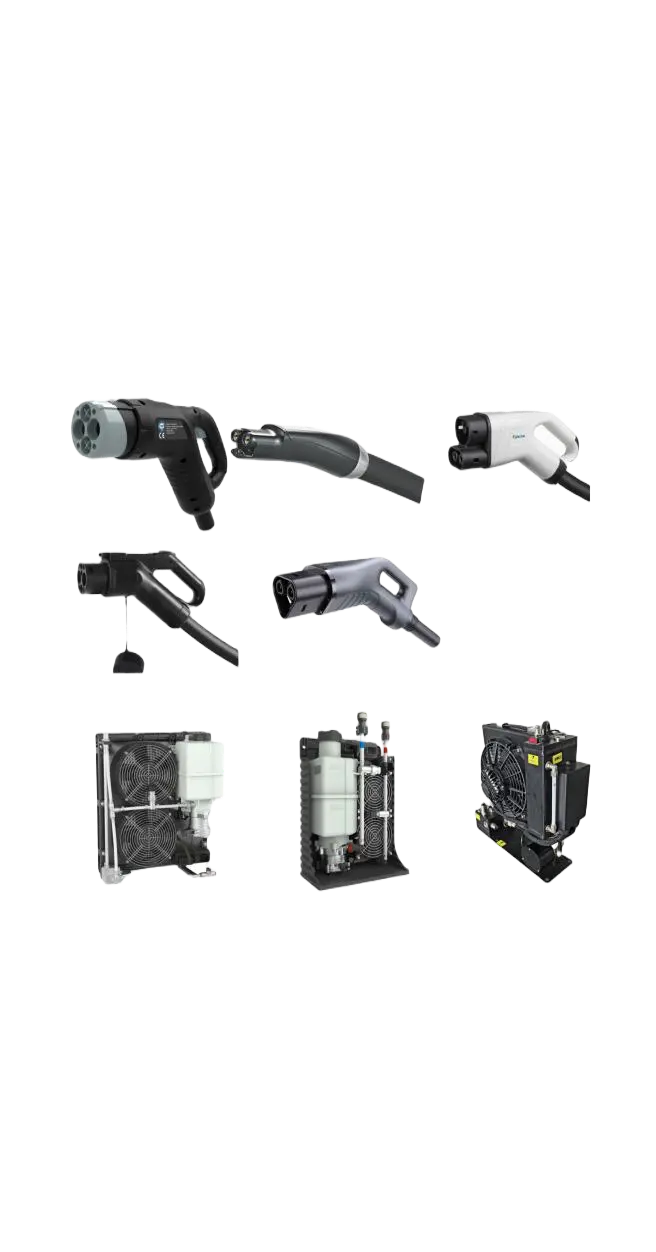
Mida Cable: Manufactures premium grade EV charging cables spanning 16A to 80A J1772 compliance, 16A to 63A IEC 62196-2 Type 2 configurations, and high power liquid-cooled DC fast cables (CCS1: 80A-500A, CCS2: 125A-1000A, CHAdeMO: 125A-300A, GBT: 200A-1000A, and NACS: 250A-600A connectors).
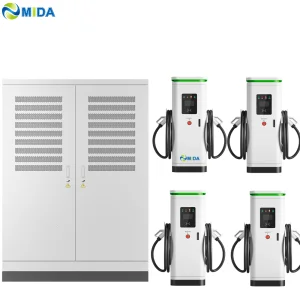
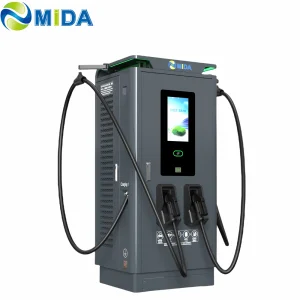
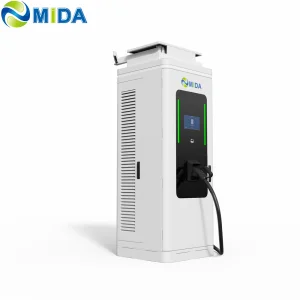
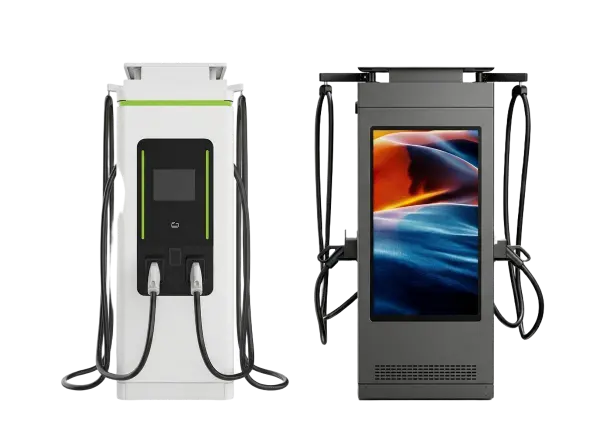
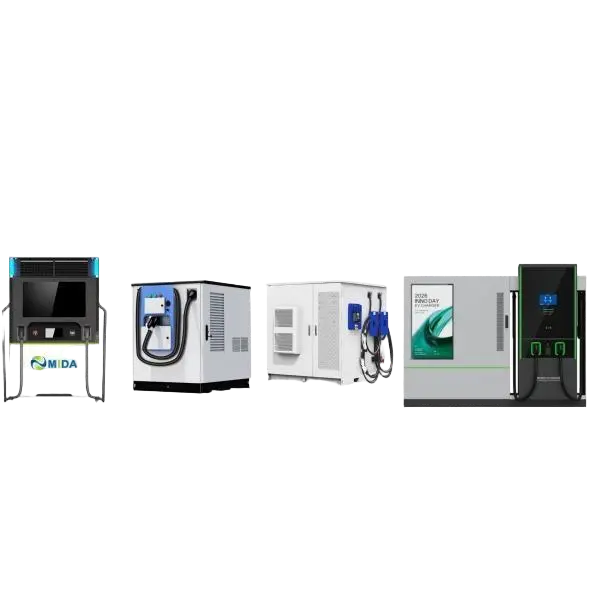
MIDA EV Power: Produces robust EV charging stations ranging from 7kW to 50kW mobile units, 3.6kW to 7.2kW portable DC chargers, up to 360kW-1440kW split-type DC charging structures, and 60kW to 480kW floor-standing units.
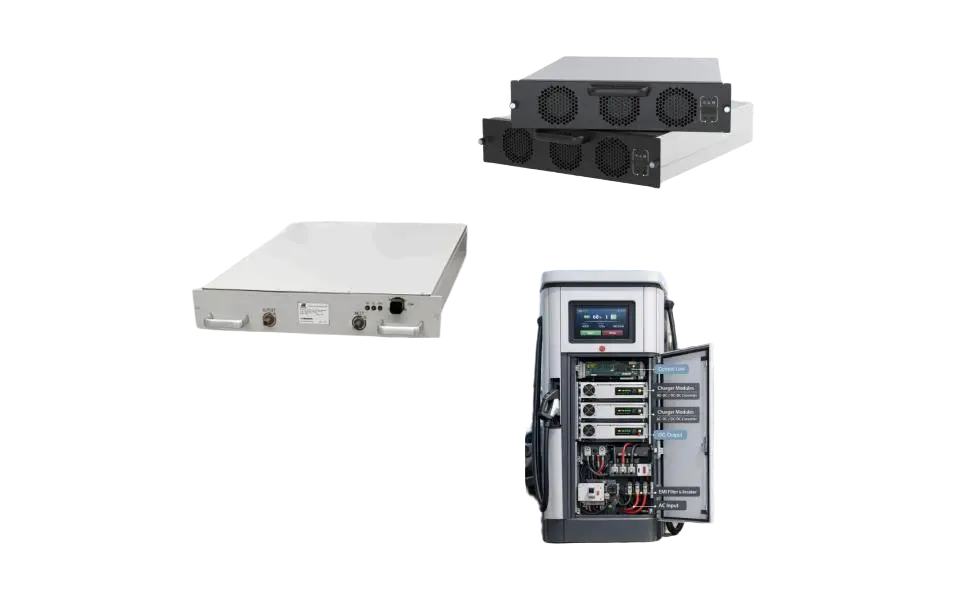
MIDA New Energy: Specializes in raw hardware modules including 20kW-60kW standard power modules, 40kW-125kW liquid-cooled modules, and bi-directional V2G conversion systems.

From silicon power components to completely integrated megawatt grid charging platforms.
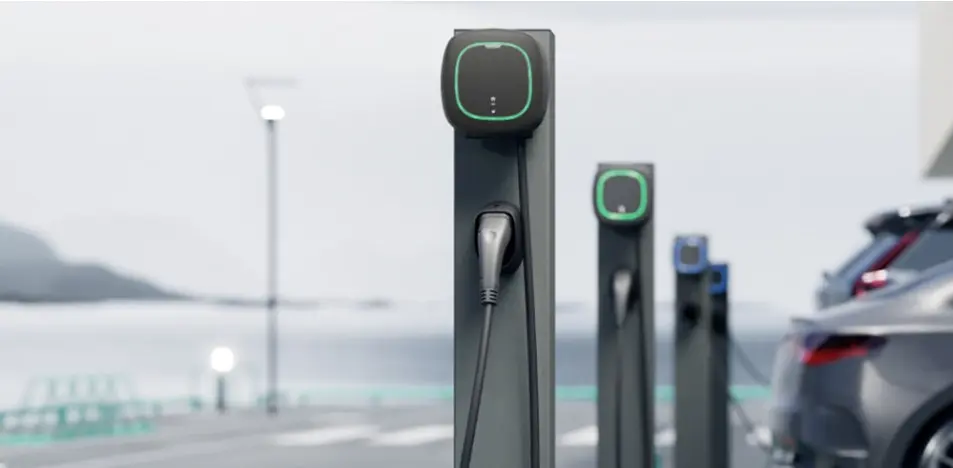
Residential & workplace charging systems engineered for durability, offering smart load balancing and dynamic solar integration.
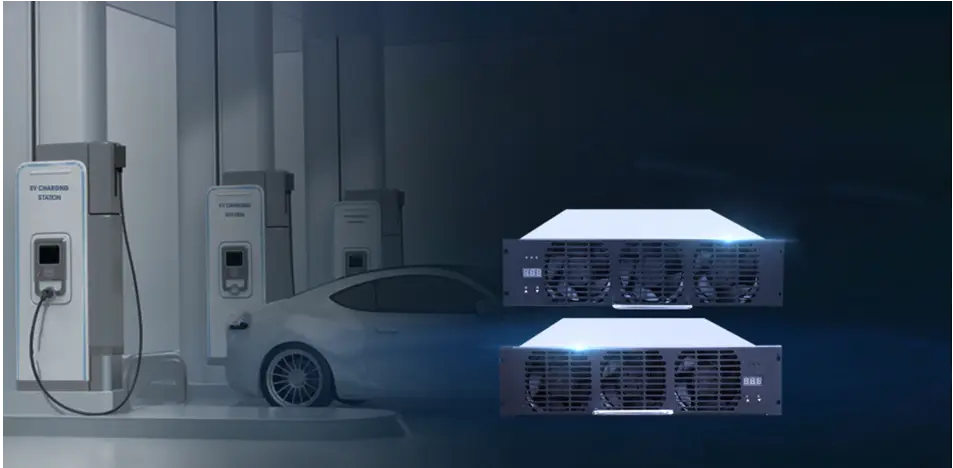
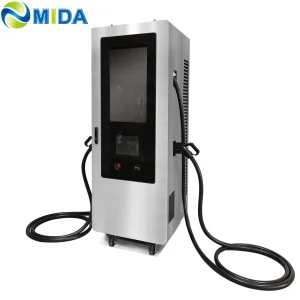
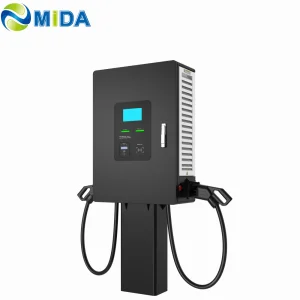
Premium Level 3 commercial chargers configured with dual ports, smart payment interfaces, and cloud OCPP connectivity.
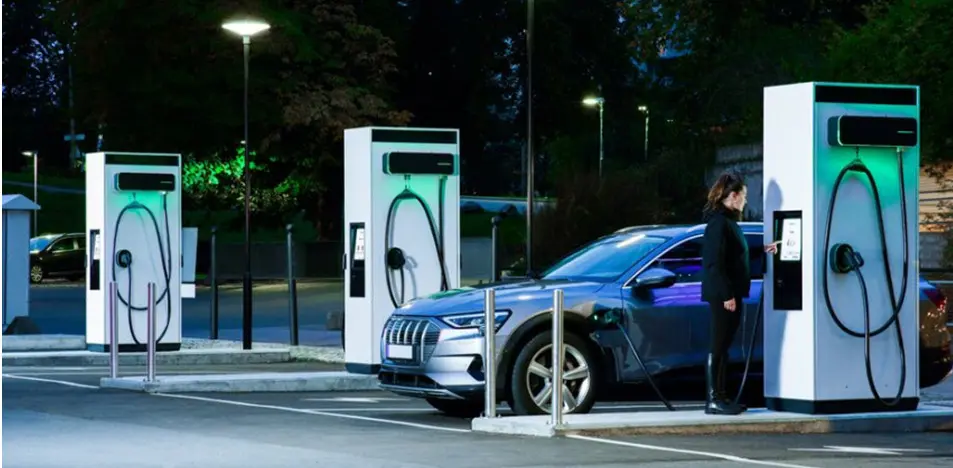
Decentralized lithium battery systems engineered to buffer high-power DC fast charging sites without overloading grids.
How MIDA leverages automated smart production, vertically integrated component supply chains, and state-of-the-art testing to guarantee reliability.
Modern global logistics require absolute supply chain reliability. Building massive EV fast charging stations demands resilient component flows. MIDA Group coordinates manufacturing across three highly specialized technology divisions, guaranteeing that power modules, liquid-cooled cabling systems, and station enclosures are designed, tested, and assembled under centralized quality assurance frameworks.
By implementing Industry 4.0 automated production lines, MIDA achieves superior precision in cable extrusions, connector assembly, and silicon carbide (SiC) power electronics alignment. This end-to-end integration reduces lead times by up to 35% compared to manufacturers relying on external component sourcing.
Key quality control practices include:
Our manufacturing sites maintain compliance with global standards, guaranteeing export compatibility for government tenders and corporate projects:
Identify optimal hardware configurations designed for quick installation, remote configuration, and long service life cycles.
Understanding how hardware layouts conform to distinct regional grid constraints and functional operational demands.
EV fast-charging requirements vary significantly across different commercial environments. A highway fast-charging plaza has very different peak utilization patterns and site conditions compared to a last-mile commercial delivery fleet depot. Selecting the right manufacturer requires looking closely at how their equipment adapts to these environments:
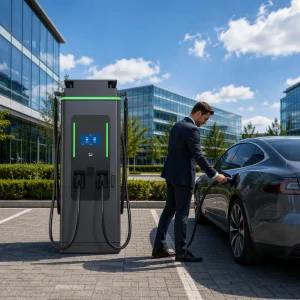
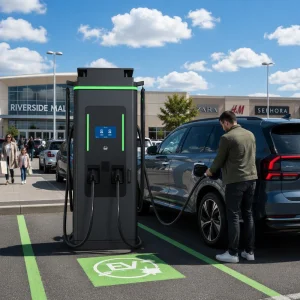
High-turnover stations require maximum uptime. Our 360kW-480kW Level 3 charging stations with dual dynamic sharing ports allow two vehicles to charge simultaneously, automatically routing maximum power to the vehicle with the lower state of charge (SoC).
Fleets operating overnight require scheduled, smart-managed charging to avoid high peak-demand grid fees. Incorporating dynamic load balancing (DLB) software guarantees fleet delivery trucks charge concurrently without tripping substation circuit breakers.
High-capacity public buses rely on split systems or automated pantographs to deliver huge amounts of power during brief scheduled layovers. High-power liquid-cooled cables make handling these chargers easier for transit staff.
Stay informed on our latest product releases, municipal project developments, and research achievements.
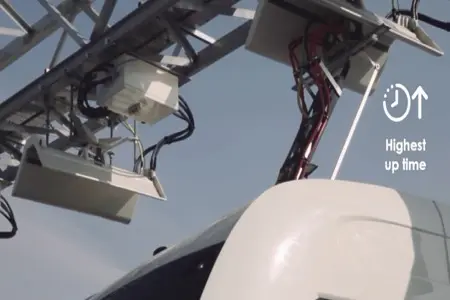
What are the advantages of an e-bus pantograph dome? In contrast to classic plug-in charging systems, e-bus pantographs offer high-power automated contact charging that minimizes manual handling and maximizes turnaround times for commercial transport fleets.
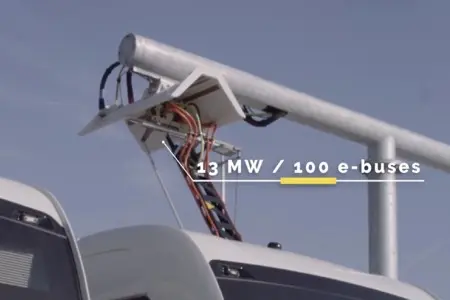
How long does it take to charge with an e-bus pantograph? The charging time depends on the battery capacity and the station's total output power, commonly achieving a 20% to 80% charge in just 10 to 15 minutes during route intervals.
How to Install the Pantograph Up Charger System Dome for Electric Bus. Installing a “Pantograph Up” system requires careful site planning, solid structural foundations, and integration with high-voltage switchgear.
Get answers to common technical, design, and purchasing questions from our engineering team.
OCPP 1.6J is the current industry standard, supporting web sockets and basic smart charging functions. OCPP 2.0.1 offers significantly improved security (TLS), advanced device management, transaction handling, and built-in support for ISO 15118 (Plug & Charge), which is vital for modern public charging networks.
DLB continuously monitors total power draw at the main electrical connection. If building power consumption spikes, the system automatically dials down charger output. This prevents site power overloads, avoids utility fines, and removes the need for costly substation upgrades.
Standard uncooled cables are limited to around 200A-250A to prevent excessive heat buildup. Going higher requires thicker copper wire, making cables too heavy and stiff for users. Liquid cooling routes coolant directly along the power conductor, allowing the cable to remain thin and flexible while supporting up to 500A-1000A currents.
Yes. V2G (Vehicle-to-Grid) systems allow fleet operators to draw power during off-peak hours when tariffs are low, and discharge power back to the grid or site facility during peak-tariff times. This peak-shaving strategy can significantly lower overall energy costs for depot operators.
We recommend at least an IP54 or IP55 rating for outdoor locations, with IK10 impact protection. For harsh or coastal environments, IP65 protection is ideal to prevent salt mist, sand, and heavy rain from damaging the sensitive internal power electronics.
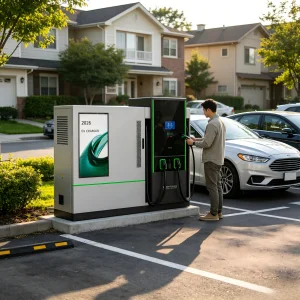
From advertising-integrated retail chargers to high-power split systems and containerized battery solutions.