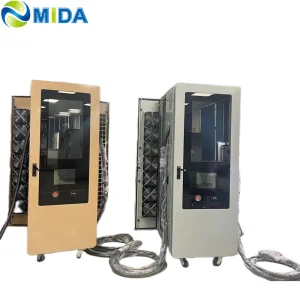
Underpinning B2B charging rollouts, high-duty logistics hubs, and urban transit networks with robust engineering.
The global electric vehicle (EV) charging market is undergoing an unprecedented structural transition from low-power destination charging to high-power, megawatt-level grid-edge infrastructure. As municipal and private commercial fleets deploy medium-to-heavy-duty electric buses and distribution vehicles, the industrial and commercial sector requires high-reliability factories capable of producing certified hardware at scale. From Level 3 DC fast-charging stations to battery energy storage system (BESS) buffering systems, EV charging station manufacturers are key enablers of grid resilience and vehicle performance.
This whitepaper details the architectural, economic, and technical milestones required of a Tier-1 electric vehicle charging station factory. It highlights the capabilities of the MIDA Group, a vertically integrated manufacturer delivering systems globally to meet demanding commercial, industrial, and heavy-duty transportation workloads.
Shanghai Mida Cable Group Ltd. operates globally through its key subsidiaries: Shanghai Mida EV Power Co., Ltd., Shenzhen Mida EV Power Co., Ltd., and Shanghai Mida New Energy Co., Ltd. Together, we manage a vertically integrated business from the design and extrusion of raw high-flex cables to the assembly of sophisticated power electronics and grid-interactive charging systems.
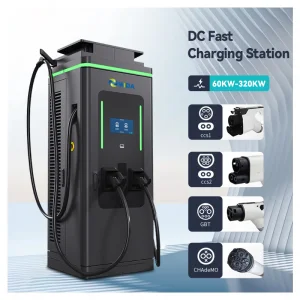
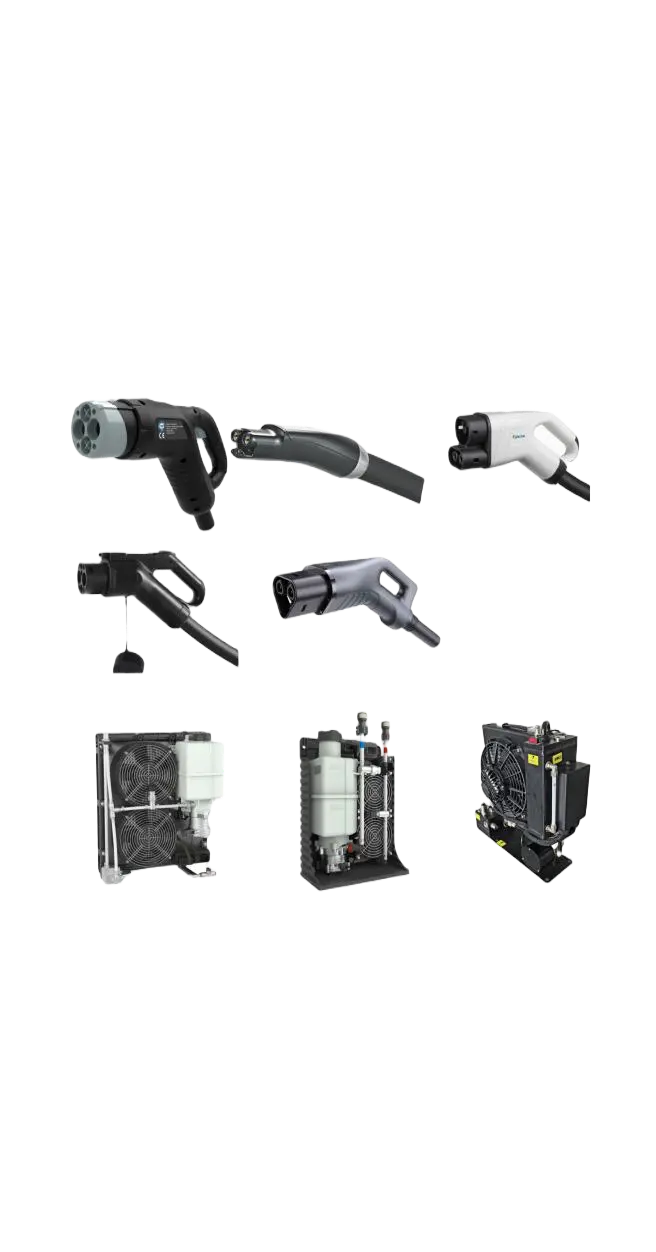
Mida Cable manufactures a comprehensive range of EV charging cables, including 16A–80A J1772 cables, 16A–63A IEC 62196-2 Type 2 cables, and high-performance DC fast charging cables. Our liquid-cooled and standard assemblies support CCS1 (80A–500A), CCS2 (125A–1000A), CHAdeMO (125A–300A), GBT (200A–1000A), and NACS connectors (250A–600A) to ensure global compatibility.
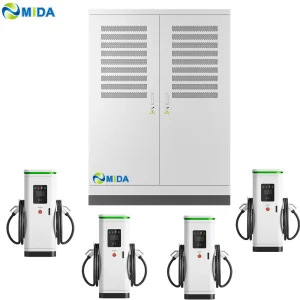
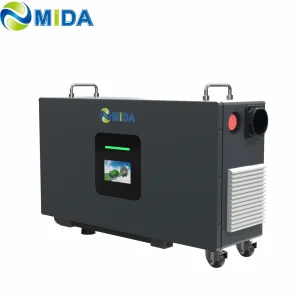
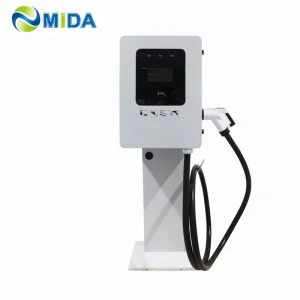
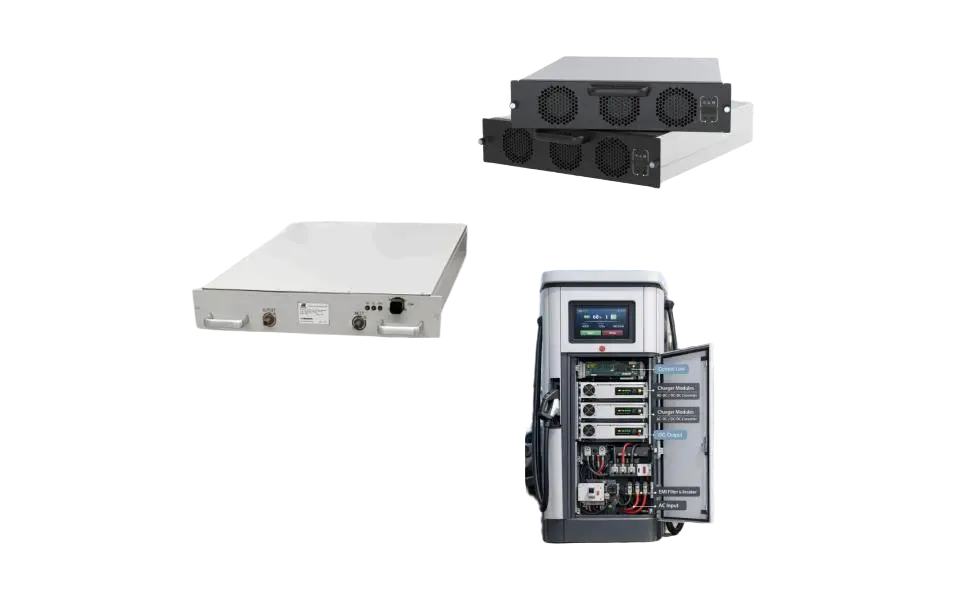
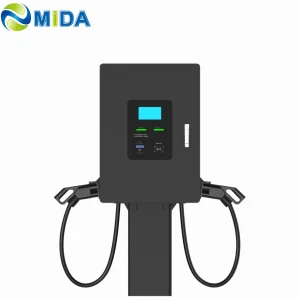
MIDA EV Power develops EV charging stations, such as 7kW–50kW mobile chargers, 3.6kW–7.2kW portable DC chargers, 360kW–1440kW split-type DC fast chargers, 20kW–50kW wall-mounted DC units, and 60kW–480kW floor-standing DC fast charging stations. MIDA New Energy specializes in EV charger power modules, offering 20kW–60kW standard modules, 40kW–125kW liquid-cooled modules, 30kW–62.5kW bidirectional modules, and 20kW–45kW V2G charging modules.

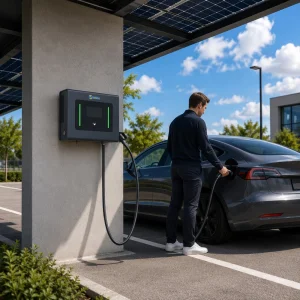
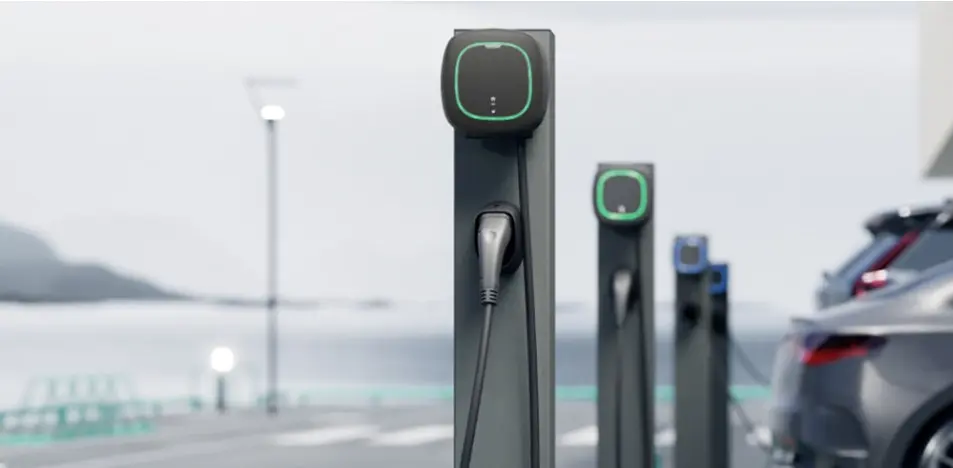
Deploying compact power delivery without compromising on smart network capabilities. Available from 7kW to 80kW, tailored for commercial fleets, auto repair bays, and multi-tenant housing.
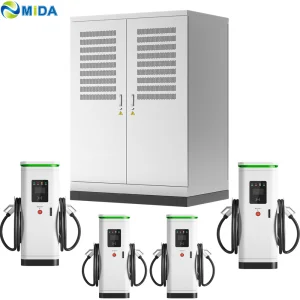
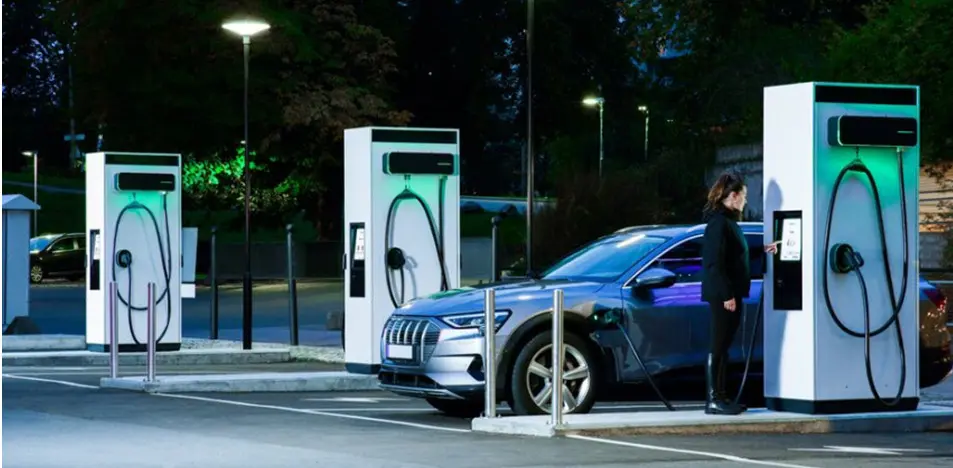
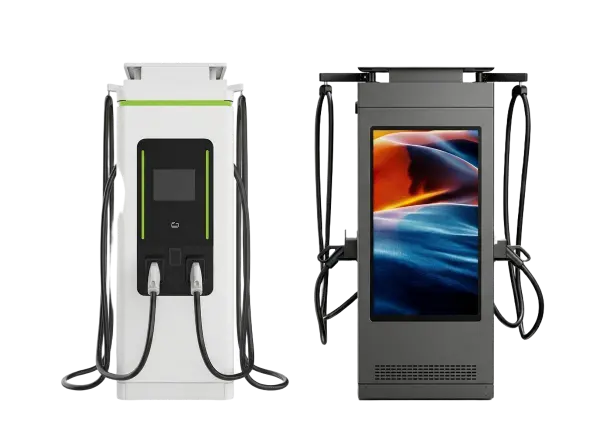
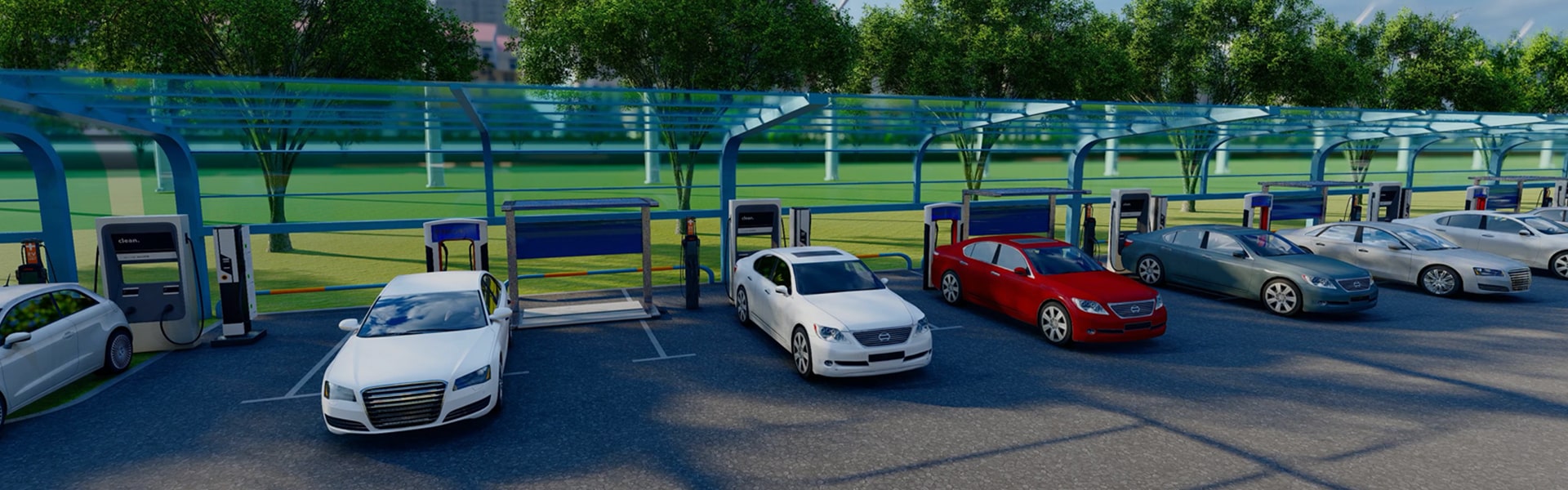
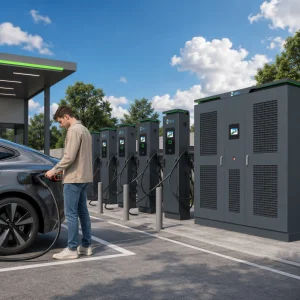
Engineered for high-throughput public rest stops, logistics networks, and highway corridors. Delivering scaleable configurations from 60kW up to 1440kW with active thermal liquid cooling.
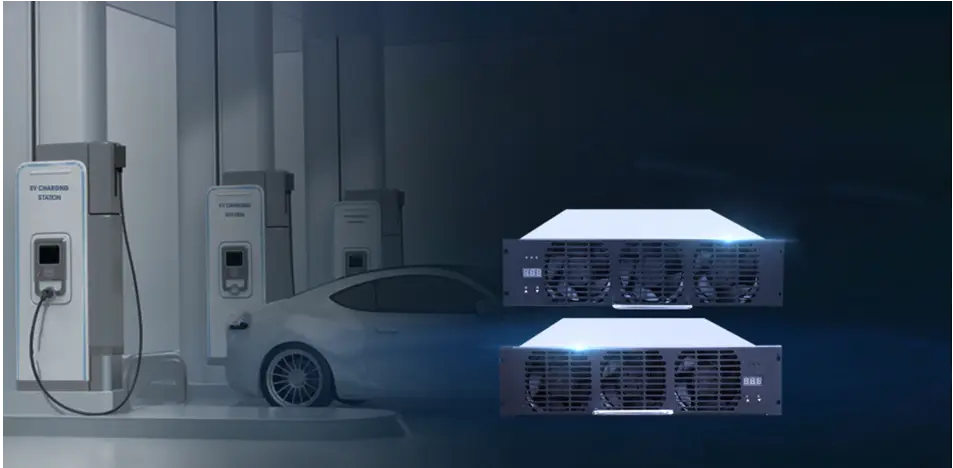
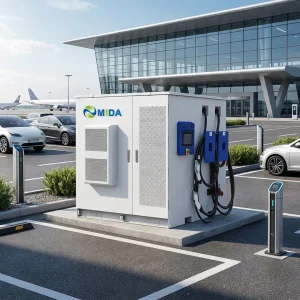
Grid-independent, peak-shaving storage infrastructure with integrated DC power supplies. Capacity scales from 60kWh to 2MWh, resolving grid bottleneck challenges.
The core energy conversion engines behind our ultra-fast systems:
Heavy-duty, high-ampacity vehicle interface solutions:
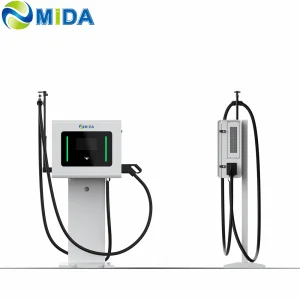
Scalable dispensers and power cabinets for global projects:
Decentralized grid buffering and recovery configurations:
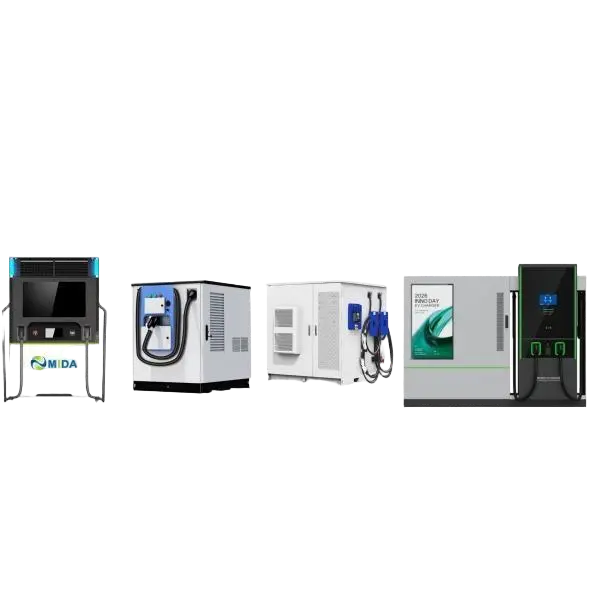
Adapting charging technologies to regional grid dynamics and logistics environments.
Compliance with European and American certifications (CE, TUV, ETL, RCM, FCC) is mandatory. The rapid adoption of the North American Charging Standard (NACS) alongside CCS1 requires factories to offer dual-connector designs. Our 60kW to 80kW wall-mounted systems enable localized configuration without substantial infrastructure modification.
Long-haul logistics and commercial bus fleets require continuous power delivery. Traditional plug-in stations are giving way to MCS (Megawatt Charging System) protocols capable of transferring up to 1,500A. The deployment of automated charging gantries and liquid-cooled split charging units ensures quick turnaround times for transport fleets.
Upgrading local sub-stations to support 500kW+ connections is often financially or technically impractical. High-efficiency charging stations integrated with BESS (Battery Energy Storage Systems) mitigate demand peaks. Storage-backed chargers draw power from the grid at a continuous rate, releasing high-amperage current during fast-charging cycles.

What are the advantages of an e-bus pantograph dome? In contrast to classic plug-in charging systems, e-bus pantograph connections support higher charge currents, decrease mechanical strain, and automate alignment for transit buses.
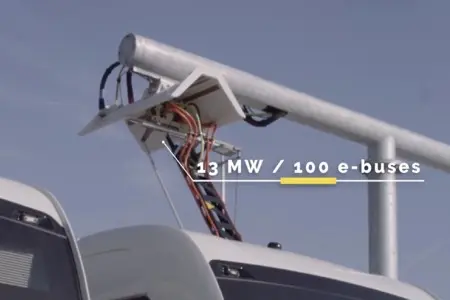
How long does it take to charge with an e-bus pantograph? Charging time is determined by vehicle battery capacity and configuration. Megawatt-level pantographs can replenish typical urban transit fleets in 5 to 15 minutes during route breaks.
How to Install the Pantograph Up Charger System Dome for Electric Bus: Aligning the system requires precise civil engineering, rugged concrete pads, overhead support structures, and coordination with overhead utility systems.
Answers to key B2B technical questions about high-power charging, integration, and manufacturing compliance.