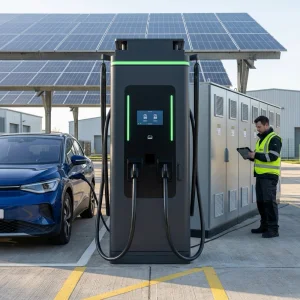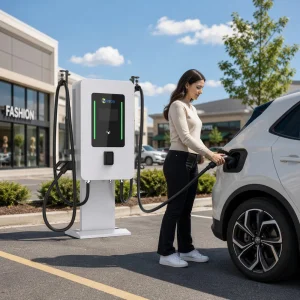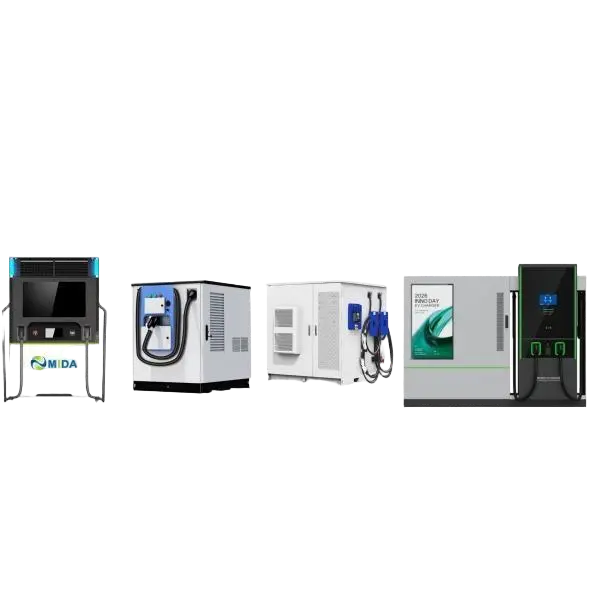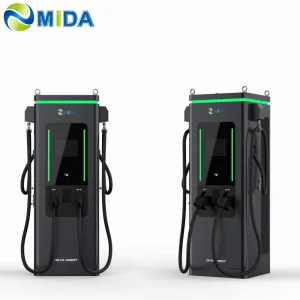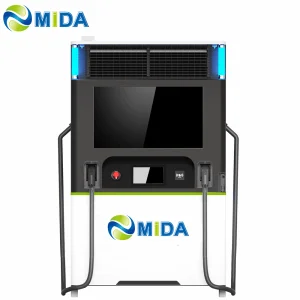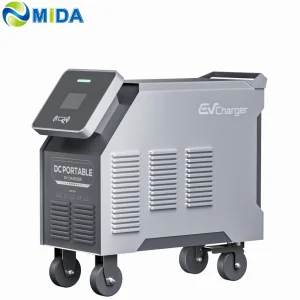
Best DC Charging Station 300kW Manufacturers & Factories

Global Tier-1 High-Power Charging Solutions, Bidirectional Power Integration, and Smart Energy Management Systems.

Featured High-Power DC Charging Solutions

Explore our flagship lineup of DC fast chargers, integrated storage systems, and pantograph architectures engineered for public corridors, retail hubs, and bus fleets.
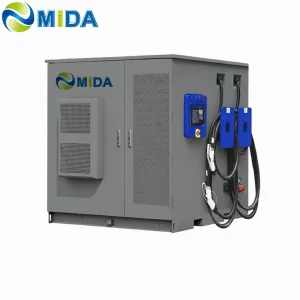
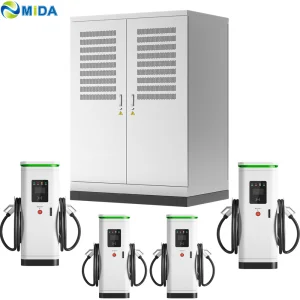
Best 1MWH 480kw Smart BESS Charging Station

Best 1MWH 480kw Smart BESS Charging Station Integrated EV Charger Piles Factory

View Details
Best 360kw 480kw Split DC Charging Station

Best 360kw 480kw Split DC Charging Station with CCS2 GB/T Charger Connector

View Details
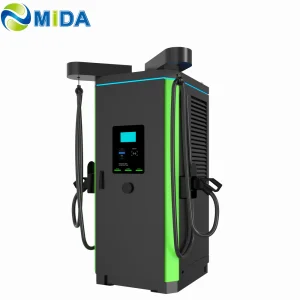
China OEM ODM DC Fast Charger Station

China OEM ODM 120KW 240kW 400kW OCPP CCS2 DC Fast Charger Station

View Details
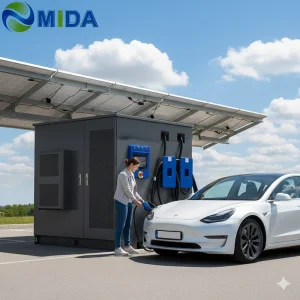
Best OCPP DC Solar Charging Station

Best 60kw 100kw OCPP DC DC Solar Charging Station with DLB Fast EV Charger

View Details
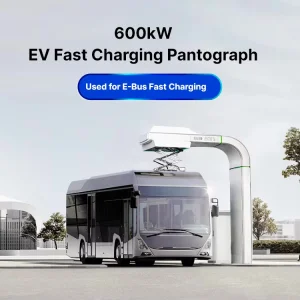
Best 600KW Ultra Fast Charging Pantograph Charger

Best 600KW Ultra Fast Charging Pantograph Charger for Electric Bus

View Details
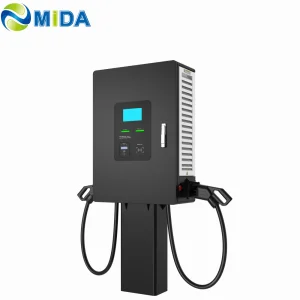
TUV ETL RCM Wall Mounted EV Charger

Best TUV ETL RCM 40KW 60kW 80kW Wall Mounted EV Charger OCPP2.0 DC Charger

View Details
Best Commercial EV Charging Station

Best 20kw 30kw 40kw Commercial EV Charging Station Pillar DC Charger Point

View Details
China DC Fast Charger Pedestal Mount

China DC Fast Charger 40KW 60KW 80KW Pedestal Mount EV Charger Station

View Details

1. Executive Summary & The Shift to 300kW High-Power Charging (HPC)

The global electric vehicle (EV) charging paradigm is shifting rapidly from overnight slow charging to rapid, high-throughput systems. At the center of this transformation lies the 300kW DC charging station. B2B fleet operators, highway service station concessionaires, and public charge point operators (CPOs) are increasingly standardizing on 300kW architectures because they deliver the ideal balance between charging speed, thermal management complexity, and electrical grid integration costs.

A 300kW DC fast charging station can replenish up to 250 kilometers of range in approximately 10 to 15 minutes, mimicking the traditional refueling experience. To achieve this safely and reliably, manufacturers must deploy advanced technology, including silicon carbide (SiC) semiconductors, liquid-cooled cables, and dynamic energy allocation algorithms. This guide details the essential technical standards, production criteria, and procurement processes for sourcing these systems globally.

< 15m
Avg. 300kW Charging Time
96.5%
Power Module Efficiency
IP55+
Environmental Rating
500A+
Liquid Cooled Capacity

2. The Technical Blueprint of a 300kW DC Fast Charger

A true commercial-grade 300kW charging station is not just a container of components; it is an engineered ecosystem. Sourcing teams must evaluate several critical subsystems:

A. Power Conversion Architecture

At the core of the 300kW system are the power modules. Leading-edge manufacturers utilize 30kW, 40kW, or 60kW modules stacked in parallel. The switch from legacy silicon IGBTs to Silicon Carbide (SiC) MOSFETs reduces switching losses, improves thermal performance, and increases overall power efficiency to over 96.5%. This reduces operational costs and lowers cooling requirements within the cabinet.

B. Advanced Thermal Management

Handling 300kW of continuous power generates significant heat. At 400A and above, standard air-cooled charging cables become too heavy and thick to handle. Manufacturers use integrated liquid cooling units (LCU) that pump synthetic oil or water-glycol coolant through the charging cable to the connector. This keeps the cable lightweight and user-friendly while maintaining the connector contacts below 90°C during full-power operations.

Dynamic Load Allocation

Smart matrix power distribution balances energy between dual guns, delivering 150kW + 150kW or routing a full 300kW to a single vehicle based on battery state-of-charge.

❄️
Liquid Cooling Unit

Integrated cooling keeps charging cables lightweight and flexible while safely managing heat dissipation under 500A+ continuous current loads.

🛡️
Electrical Protection

Comprehensive protection including over-temperature, surge, residual current (RCD), ground fault monitoring, and emergency shutdown mechanisms.

C. Grid Integration & Power Quality

Deploying a 300kW unit introduces challenges to the local distribution grid. Quality manufacturers design stations with active Power Factor Correction (PFC) and harmonic filters that maintain Total Harmonic Distortion (THD) below 5%. This prevents interference with nearby electronic systems and complies with local utility grid connection codes.

3. Macro Industry Solutions & Infrastructure Integration

Integrating 300kW charging stations into large-scale infrastructure requires a comprehensive approach to energy management. In locations with grid capacity constraints, operators are combining charging systems with battery storage and local renewables:

  • Integrated Battery Energy Storage Systems (BESS): Integrating BESS (e.g., 200kWh to 1MWh) allows operators to buffer energy from the grid during off-peak hours and discharge it during peak 300kW charging sessions, reducing demand charges.
  • Solar PV Integration: Utilizing DC-to-DC converters, solar arrays can feed energy directly into the charging bus, minimizing conversion losses and lowering carbon footprints.
  • Fleet Management Systems: Through OCPP 2.0.1, operators can prioritize charging based on departure schedules, vehicle state-of-charge, and energy pricing.

4. Inside China Factory 4.0: Supply Chain & Efficiency Advantages

China's dominance in EV charging manufacturing is driven by extensive vertical integration. Top-tier factories like Mida Group control the full production ecosystem, including cable extrusion, connector molding, power module assembly, and software integration.

A typical Factory 4.0 setup features automated assembly lines for power modules, robotic welding, and automated optical inspection (AOI) systems. Every station undergoes rigorous testing, including burn-in thermal chambers, high-voltage insulation tests, and full-load grid simulation. This vertical integration minimizes supply chain bottlenecks, ensures consistent build quality, and reduces lead times for international orders.
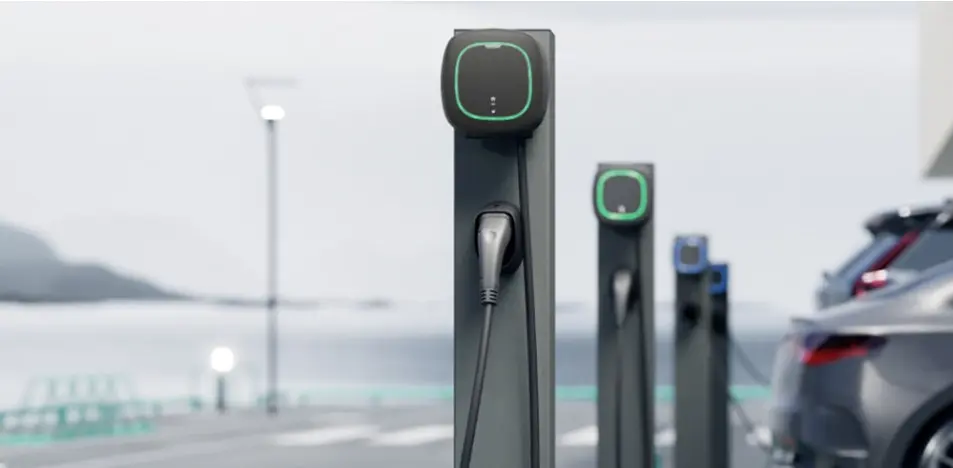
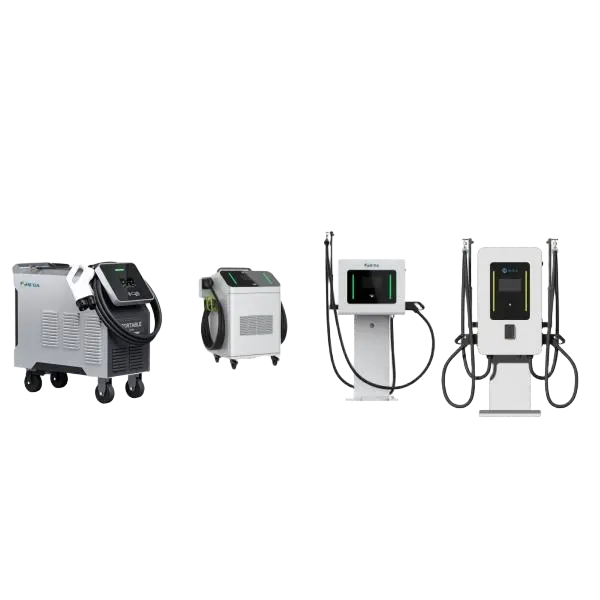
AC EV Charger
Reliable L2 AC Solutions
AC EV Charger
Wall-Mounted/Mobile EV Charger
7kW 20kW 30kW 40kW 60kW 80kW
Wall-Mounted/Mobile EV Charger
DC Charger Station
60kW-480kW / 360kW-1440kW
DC Charger Station

5. Localized Support, Global Compliance & Certifications

Deploying high-power charging systems internationally requires adherence to complex regulatory frameworks. Sourcing teams must ensure manufacturers supply appropriate regional certifications:

  • Europe (CE / TUV / RCM): Equipment must comply with EN 61851-1, EN 61851-23, and EMC Directive 2014/30/EU. In Australia, RCM certification is mandatory.
  • North America (UL / cUL / ETL): Stations must meet UL 2202 (standard for EV charging system equipment) and UL 2231 (personnel protection systems).
  • OCPP Compatibility: Core software must support OCPP 1.6J and OCPP 2.0.1 to ensure integration with third-party billing and fleet management systems.
  • Cybersecurity: Modern installations must comply with local cybersecurity regulations, ensuring encrypted communication between the vehicle, charger, and cloud backends.

WELCOME TO MIDA GROUP

Shanghai Mida Cable Group Ltd. operates through its wholly owned subsidiaries: Shanghai Mida EV Power Co., Ltd., Shenzhen Mida EV Power Co., Ltd., and Shanghai Mida New Energy Co., Ltd.

Mida Cable manufactures a comprehensive range of EV charging cables, including 16A–80A J1772 cables, 16A–63A IEC 62196-2 Type 2 cables, and DC fast charging cables: CCS1 (80A–500A), CCS2 (125A–1000A), CHAdeMO (125A–300A), GBT (200A–1000A), and NACS connectors (250A–600A).

MIDA EV Power produces a full lineup of EV charging stations, such as 7kW–50kW mobile chargers, 3.6kW–7.2kW portable DC chargers, 360kW–1440kW split-type DC fast chargers, 20kW–50kW wall-mounted DC chargers, and 60kW–480kW floor-standing DC fast charging stations.

MIDA New Energy specializes in EV charger power modules, offering 20kW–60kW standard modules, 40kW–125kW liquid-cooled modules, 30kW–62.5kW bidirectional modules, and 20kW–45kW V2G charging modules.

MIDA Group Brand Logo

MIDA Core Product Segments

From components to complete systems, explore the vertically integrated product segments offered by Mida Group.
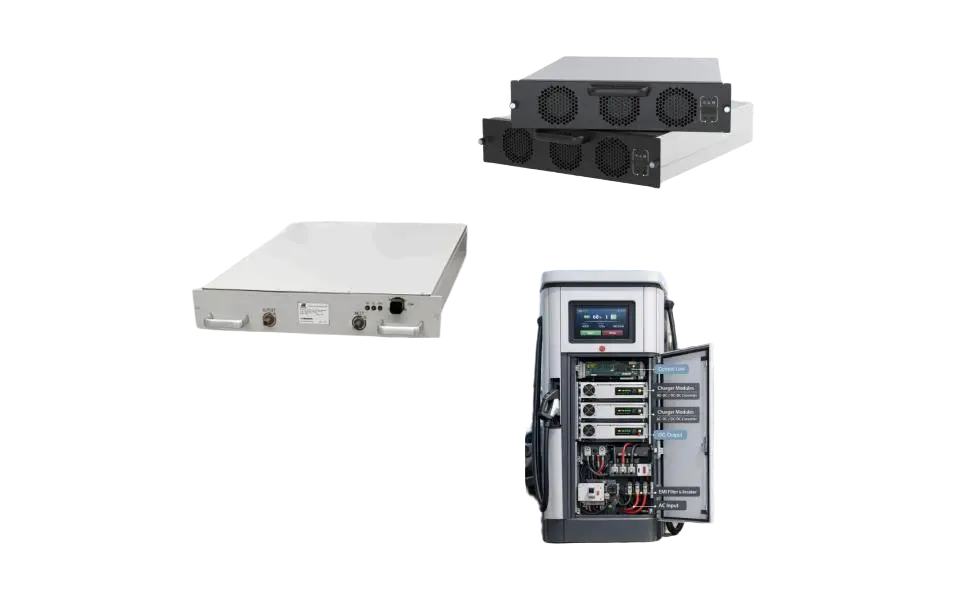
EV Charging Power Modules

  • 30kW 40kW 50kW 60kW 80kW AC DC EV Charger Modules
  • 30kW 40kW 50kW 60kW DC DC EV Charger Modules
  • 40kW 60kW 75kW 125kW Liquid Cooled Power Modules
  • 20kW 22kW 30kW 40kW 45kW V2G Power Modules
  • 30kW 40kW 50kW 60kW MPPT Power Modules
  • 20kW 50kW 62.5kW Bidirectional AC DC Power Modules
EV Charging Power Module

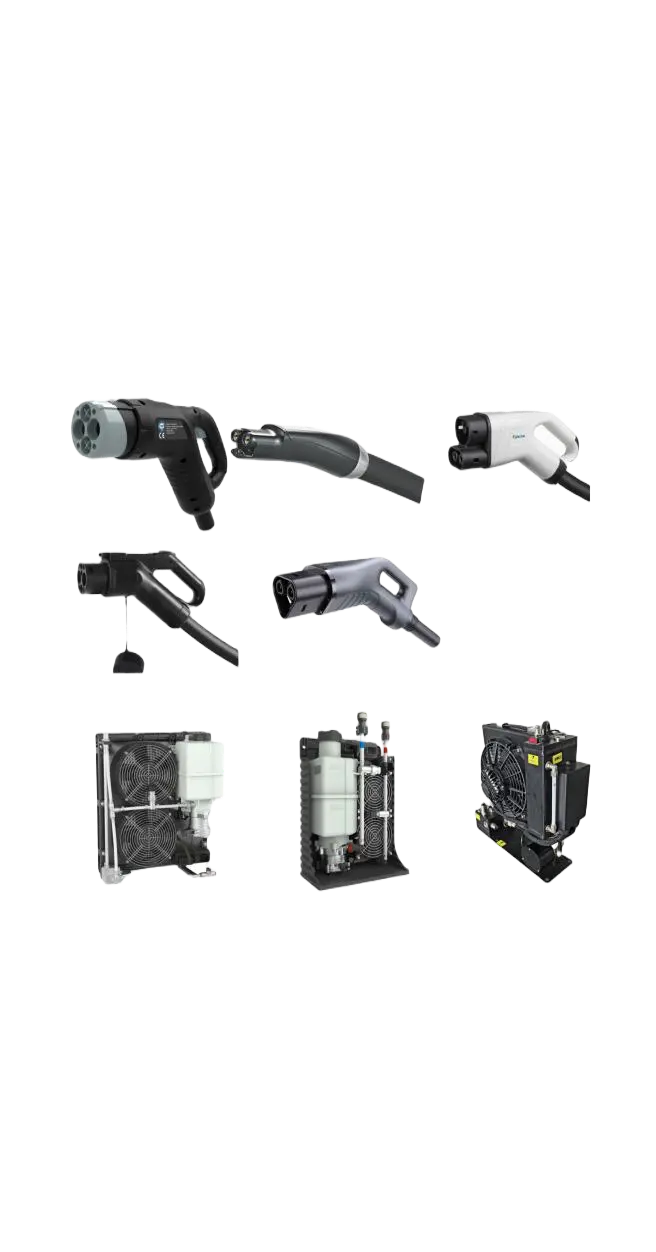
DC Charging Connectors & Cooling Units

  • 500A 600A CCS1 & CCS2 & GBT Connectors
  • 125A 250A 300A 350A NACS & CHAdeMO Connectors
  • 1500A MCS Connectors & CHAOJI Connectors
  • 3.5kW 4.5kW 6kW 9kW Integrated Liquid Cooling Units
  • 2.4kW 3.5kW Split Type Cooling Units
  • 25kW ~72kW Cooling Units for HPC Charging
DC Charging Connector

DC Fast Charger Stations

  • 7kW~ 60kW Mobile DC Charging Stations
  • 20kW ~80kW Wall Mounted DC Charging Stations
  • 60kW ~480kW Floor Mounted Charging Stations
  • 60kW~240kW Advertising Charging Stations (43inch , 55inch )
  • 600kW ~1080kW Liquid Cooled Charging Stations
  • 360kW ~ 1680kW Split Type DC Charging Stations
DC Fast Charger Station

Energy Storage Charging Stations

  • 15kW~480kW Mobile ESS Charging Stations
  • 60kW ~ 400kW Integrated ESS Charging Piles
  • 65kWh~200kWh Emergency Rescue Charging Stations
  • 165kwh Automatic Charging Robots
  • 800kwh~2000kwh Solar Energy Charging Systems
Energy Storage Charging Station

6. Sourcing Criteria for Global Procurement Managers

When purchasing 300kW DC charging stations, procurement teams should look beyond unit prices to evaluate Total Cost of Ownership (TCO) and operational reliability:

  1. Verify Component Traceability: Ensure key components, such as contactors, power modules, and MCBs, are sourced from Tier-1 suppliers. This reduces the risk of field failures and simplifies replacement parts sourcing.
  2. Examine Environmental and Durability Ratings: Public charging stations must withstand harsh outdoor conditions. Specify IP55 housing (IP65 for power modules), IK10 impact protection, and anti-corrosion coatings for coastal regions.
  3. Review Factory Support and Spare Parts Availability: Ensure the manufacturer has local service partners or provides diagnostic support and guaranteed response times. A modular power block architecture helps local electricians swap failed modules in under 15 minutes.

7. Critical FAQ (Q&A) for High-Power EV Charging Infrastructure

What is the typical efficiency loss at 300kW power levels, and how is it mitigated?
Efficiency loss primarily occurs as heat in the power modules and charging cables. Utilizing Silicon Carbide (SiC) power modules keeps conversion efficiency above 96.5%. Dynamic cooling systems adjust the liquid coolant flow based on current loads, maintaining cable temperatures below 90°C and reducing auxiliary power consumption.
How does Dynamic Power Sharing function in dual-port 300kW systems?
Dynamic Power Sharing allocates power module capacity based on real-time feedback from each vehicle's BMS. For example, if one vehicle requires 200kW and a second requires 100kW, the station routes power modules accordingly. If only one vehicle is connected, it can access the full 300kW, optimizing charging speed and throughput.
Why is OCPP 2.0.1 compliance critical for modern 300kW B2B deployments?
OCPP 2.0.1 introduces improved security protocols, advanced transaction handling, and enhanced diagnostics. It supports smart charging profiles and ISO 15118 (Plug & Charge) features, which are vital for integrating with modern fleet management software and grid dynamic response platforms.
How do integrated battery storage systems (BESS) support 300kW charging networks?
BESS systems act as local energy buffers. They store energy during periods of low demand and assist the grid during peak 300kW sessions. This reduces peak demand charges from utilities, prevents grid overload, and enables high-power charging installation in areas with limited grid capacity.
What safety protocols protect users when handling 300kW liquid-cooled cables?
Safety measures include continuous ground-fault monitoring, insulation monitoring (IMD) before power delivery, thermal sensors in the gun and cable, and rapid shutdown capabilities that stop power flow within milliseconds if a fault is detected.
Can 300kW DC stations be upgraded to future 480kW or Megawatt (MCS) standards?
Yes, modular designs allow operators to upgrade power output by adding more power conversion modules to the cabinet. However, upgrading from CCS2 to MCS (Megawatt Charging System) require retrofitting the high-power distribution busbars, liquid cooling capacity, and connector systems.

Corporate Insights & Heavy Fleet Innovations

Stay up to date with the latest innovations in high-power charging, automated pantograph systems, and fleet electrification.

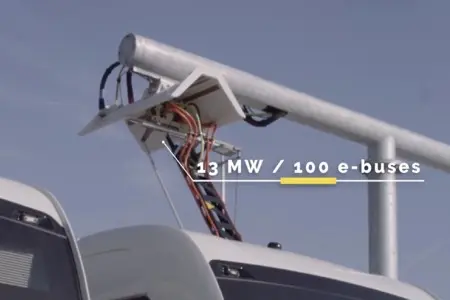
E-bus pantograph advantages

What are the advantages of an e-bus pantograph dome? In contrast to classic plug-in charging systems, e-bus pantographs enable automated overhead charging with high power delivery.
Date: 26-07-12 View More
Charging time with e-bus pantograph

How long does it take to charge with an e-bus pantograph? The charging time depends on the battery capacity and output power of the station, typically completing in 5 to 10 minutes at high current levels.

Date: 26-07-12 View More
Install Pantograph Up Charger

How to Install the Pantograph Up Charger System Dome for Electric Bus. Installing a "Pantograph Up" system requires precise positioning and structural alignment of the overhead charging dome.

Date: 26-07-12 View More

Explore Our Full Charging Solutions Portfolio

From advertising charging kiosks to heavy-duty ultra-fast DC dispensers, select the configuration that meets your infrastructure goals.
China Fast Charger Station

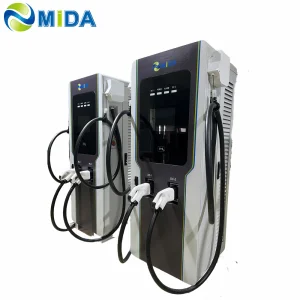
China Fast Charger Station 120kw 180kw 240kw 320kw EV Charging Station CCS CHAdeMO GBT Dual With POS RFID

View Details
Best High Power HPC CCS2 300kw

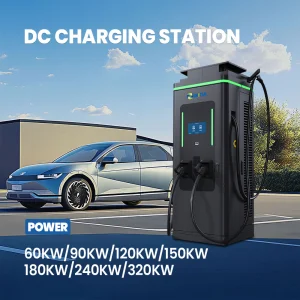
Best High Power HPC CCS2 300kw 400kW DC Fast Charging Station Manufacturers

View Details
China Fast EV Charger Suppliers

China 320kW 400kW 480kw Fast EV Charger Piles Electric Vehicle Charging Station

View Details
China Off Grid BESS EV Charger

China Off Grid 200kWh 120kW 160kw BESS EV Charger Solar MPPT Fast EV Charging Station

View Details
China DC Portable Charger

China DC Portable Charger 20KW CCS2 Fast Mobile Charging Station Manufacturers

View Details
Best BESS Charging Station

Best 418kwh 240kw BESS Charging Station Battery Storage Mobile EV Charger

View Details
Best DC Charger Station

Best DC Charger Station 60KW 90kW 120kw 150kw CCS2 CHAdeMO GB/T Fast Charging Station

View Details
Best Mode 4 OCPP DC Fast Charger

Best Mode 4 OCPP 1.6J OCPP 2.0.1 Compliant 60kW 90kW 120kW 150kW 180kW DC Fast Charger

View Details