Industrial-grade power delivery systems, from modular 20kW wall mounts to ultra-high-speed 720kW split charging dispensers. Preserving Tier-1 compatibility across CCS2, GBT, and CHAdeMO standards.
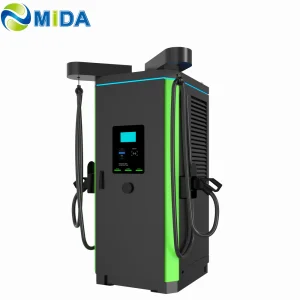
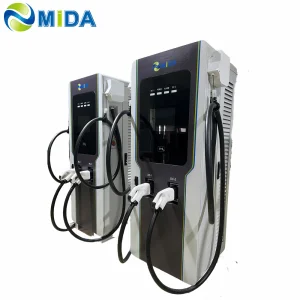
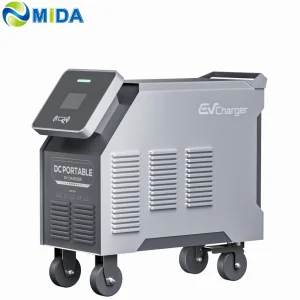
Analyzing global standards, grid constraints, and supply chain strategies for charge point operators (CPOs) and EV fleets.
The global EV charging grid is witnessing a rapid structural transition. As battery capacities in commercial fleets, logistics trucks, and passenger vehicles expand, conventional AC systems no longer satisfy delivery timelines. Heavy industries now demand High-Power Charging (HPC) infrastructures capable of outputting between 360kW and 1440kW.
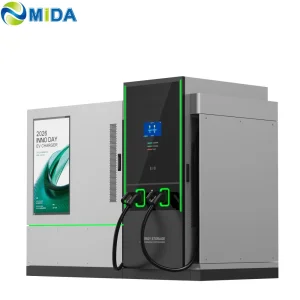
To prevent local utility substations from collapsing under peak thermal load, leading suppliers integrate Battery Energy Storage Systems (BESS) within DC charging piles. A BESS buffer allows localized battery cells (e.g., 60kWh to 2MkWh) to trickle charge during off-peak hours and discharge rapidly at 400kW+ during peak vehicle operations. This mitigates demand charges, sidesteps expensive grid upgrades, and achieves optimal Total Cost of Ownership (TCO).
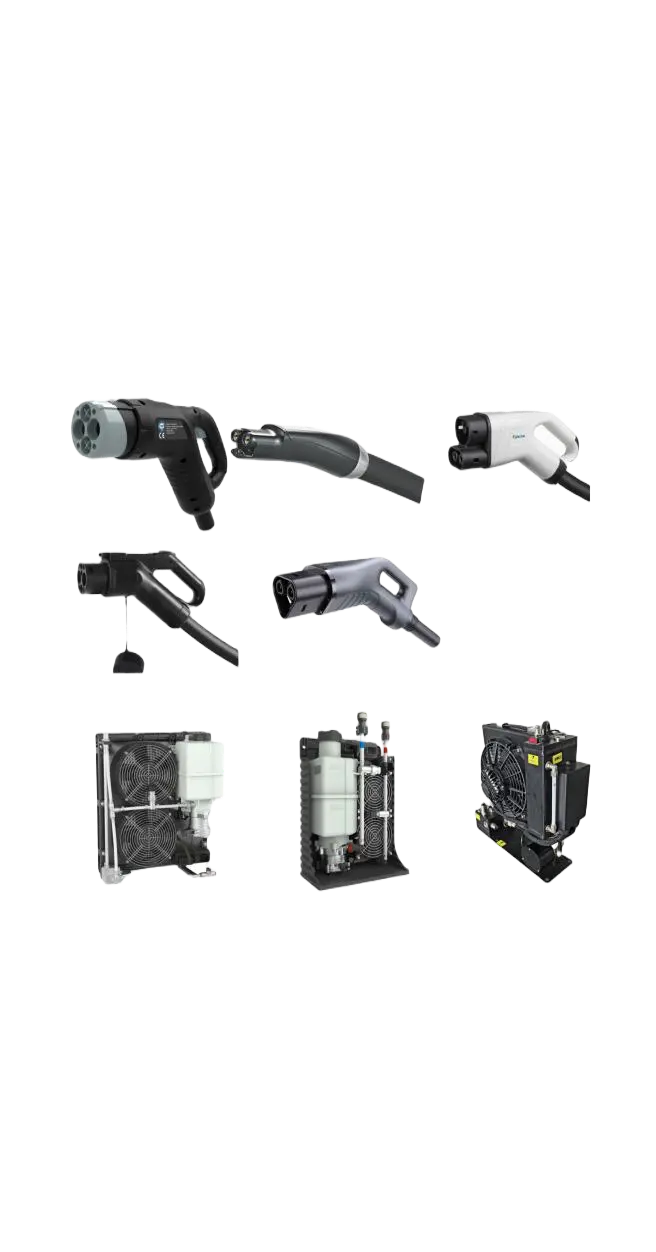
Furthermore, liquid-cooled cooling units have replaced passive air-cooling for currents exceeding 300A. A liquid-cooled cable reduces copper cross-sectional area, making high-power cables lighter and highly flexible, which is critical for accessible retail and commercial operations.
Procuring DC charging piles globally requires careful adherence to regional regulations and strict interface standardization. Tier-1 buyers demand hardware that seamlessly communicates with diverse electric vehicle architectures. This requires robust compliance with:
Enterprise procurement departments must source from manufacturers that offer modular components. If a power module malfunctions, replacing a single 30kW modular unit avoids taking down the entire 360kW charging station, thereby protecting uptime SLA agreements.
How vertical integration and automated testing systems from MIDA Group guarantee lower MTBF and competitive pricing.
Operating out of major manufacturing hubs, MIDA Group leverages advanced Industry 4.0 production paradigms. By maintaining absolute control over the production of internal power modules, high-voltage copper wiring, liquid-cooled connectors, and control logic boards, MIDA ensures consistent reliability. This vertical integration directly reduces supply chain risks, preventing delays in key components like silicon carbide (SiC) MOSFETs or high-conductivity terminal pins.
Our Factory 4.0 framework implements automated testing equipment (ATE) that subjects every power module to thermal cycling, full-load burn-in, and insulation testing. Through smart assembly lines, we achieve production consistency, allowing us to supply large-scale infrastructure projects across Europe, North America, and the Asia-Pacific region on schedule.
Global leader in EV power transmission, specializing in charging stations, custom cabling systems, and high-performance power modules.
Shanghai Mida Cable Group Ltd. operates through its wholly owned subsidiaries: Shanghai Mida EV Power Co., Ltd., Shenzhen Mida EV Power Co., Ltd., and Shanghai Mida New Energy Co., Ltd.
Mida Cable manufactures a comprehensive range of EV charging cables, including 16A–80A J1772 cables, 16A–63A IEC 62196-2 Type 2 cables, and DC fast charging cables: CCS1 (80A–500A), CCS2 (125A–1000A), CHAdeMO (125A–300A), GBT (200A–1000A), and NACS connectors (250A–600A).
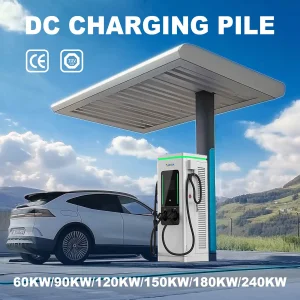
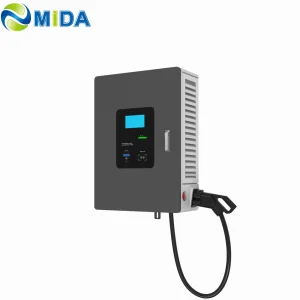
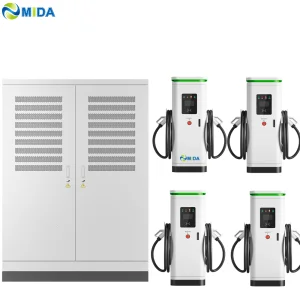
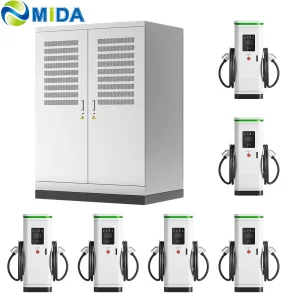
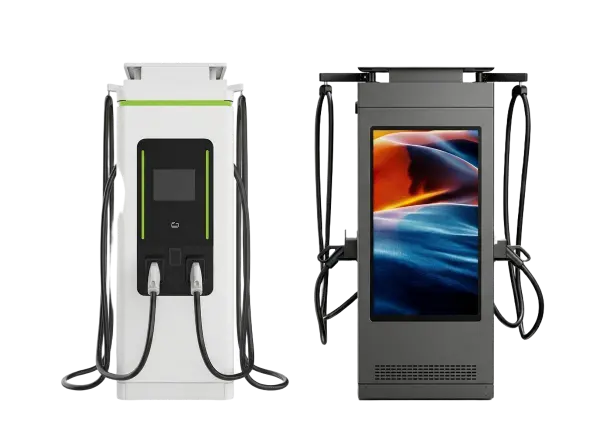
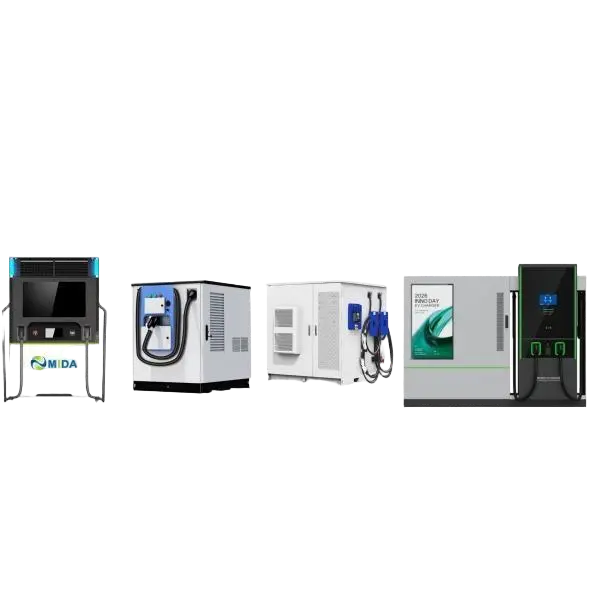
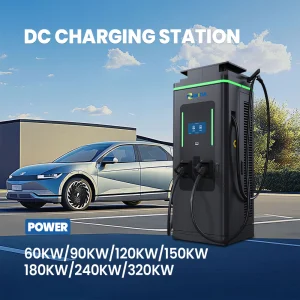
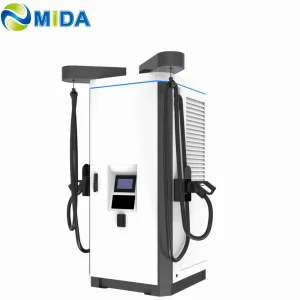
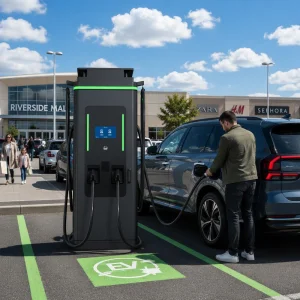
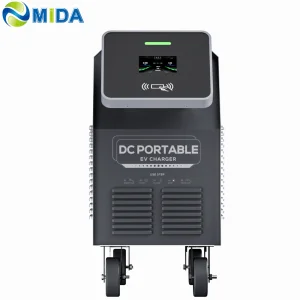
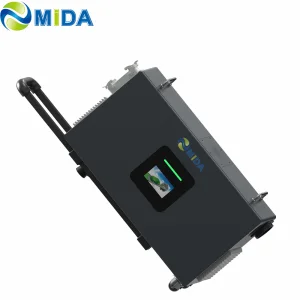
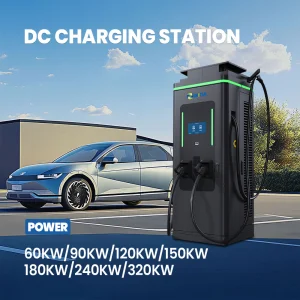
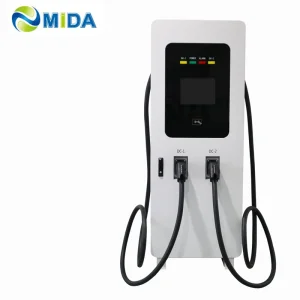
MIDA EV Power produces a full lineup of EV charging stations, such as 7kW–50kW mobile chargers, 3.6kW–7.2kW portable DC chargers, 360kW–1440kW split-type DC fast chargers, 20kW–50kW wall-mounted DC chargers, and 60kW–480kW floor-standing DC fast charging stations.
MIDA New Energy specializes in EV charger power modules, offering 20kW–60kW standard modules, 40kW–125kW liquid-cooled modules, 30kW–62.5kW bidirectional modules, and 20kW–45kW V2G charging modules.

Explore our system integrations, hardware modules, liquid-cooling solutions, and energy storage charging systems.
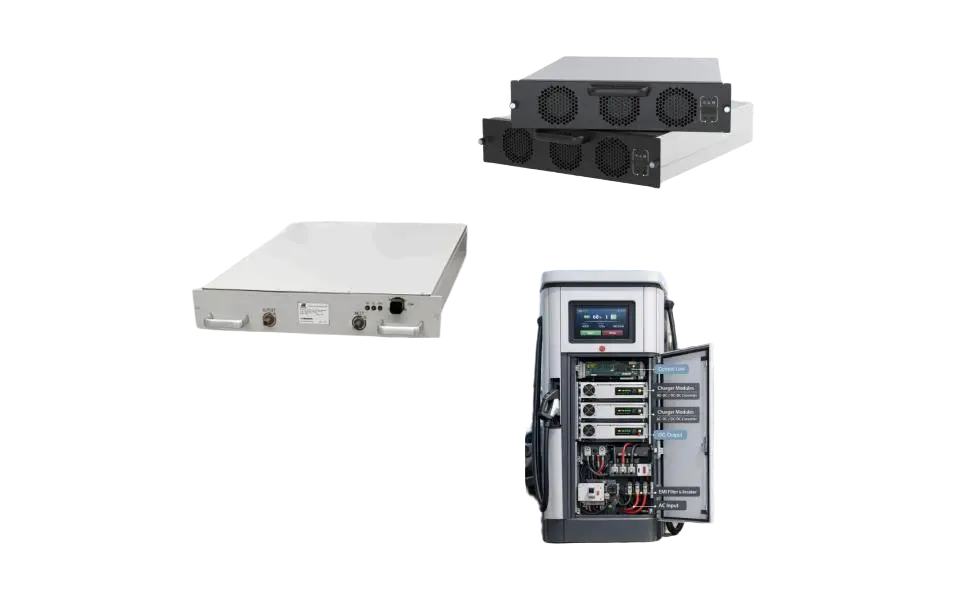
Customizing energy transmission hardware for global infrastructure projects, logistics depots, and municipal networks.
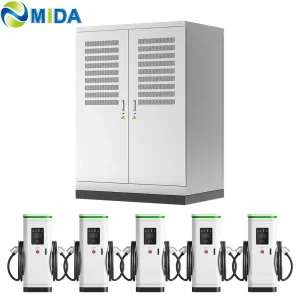
For cross-regional arterial routes, operational uptime and driver throughput are primary metrics. Stations utilize split system architectures, pairing a central power bank (typically 720kW or higher) with multiple lightweight charging satellites. Implementing dynamic power sharing allows a station to allocate power according to a vehicle's maximum capability, enabling passenger vehicles to recharge from 10% to 80% SOC in under 15 minutes.
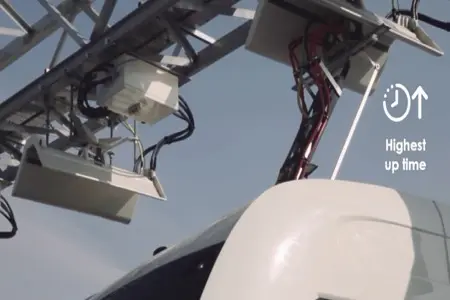
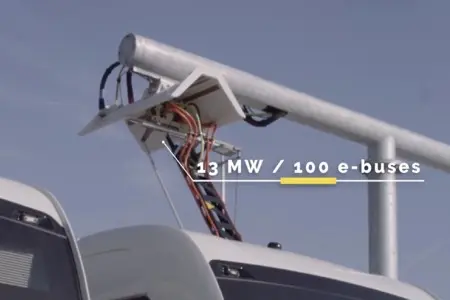
Municipal bus operators and commercial logistics providers require high-power systems structured for reliability. By deploying high-voltage pantograph charging domes (pantograph-up/down) and heavy-duty 400kW dispensers, fleets can charge mid-route or during shift handovers. Operators utilize OCPP scheduling features to charge vehicles overnight, reducing electricity costs and balancing depot demand.
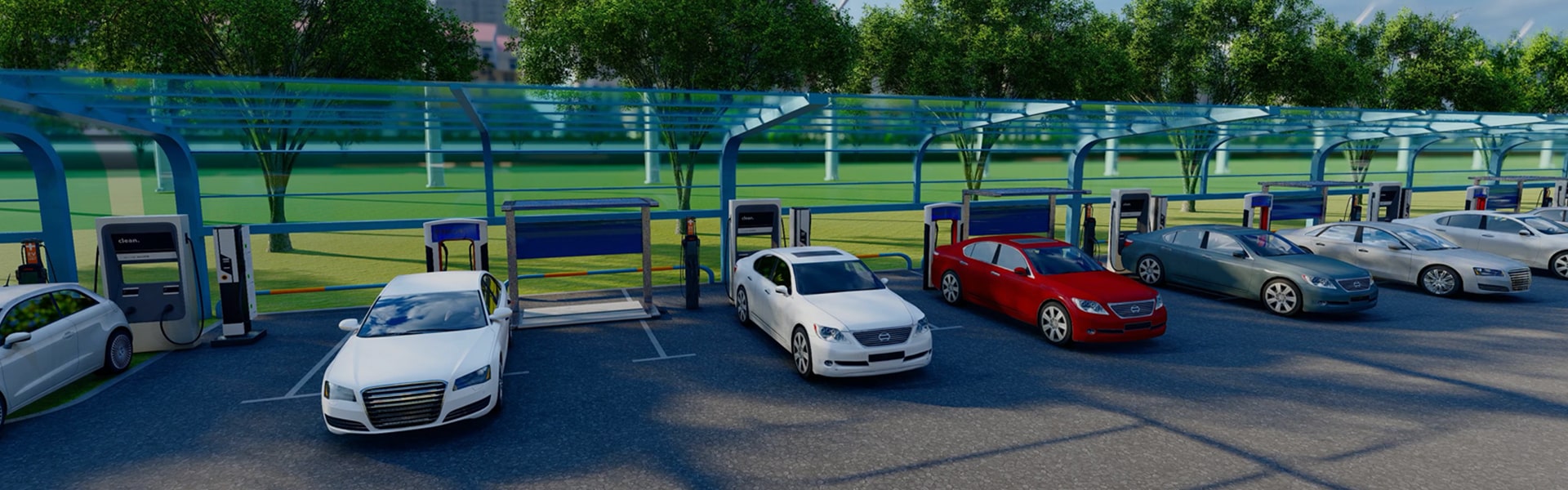
In locations with limited power infrastructure, installing multi-megawatt chargers requires substantial grid upgrades. Here, integrated BESS systems, solar carports, and bidirectional V2G power modules act as localized microgrids. These systems store solar power during peak daylight hours and discharge it to vehicles when needed. V2G-enabled fleets can also feed energy back into the grid during peak pricing, turning parked EVs into virtual power plants (VPPs).
Clarifying technical standards, cooling efficiency, and integration requirements for commercial buyers.
Engineered for maximum reliability and uptime. Choose from our range of CE and UL compliant charging piles, customized split cabinets, and mobile emergency stations.
Read about our latest deployments, standard updates, and innovations in electric bus pantograph charging technology.