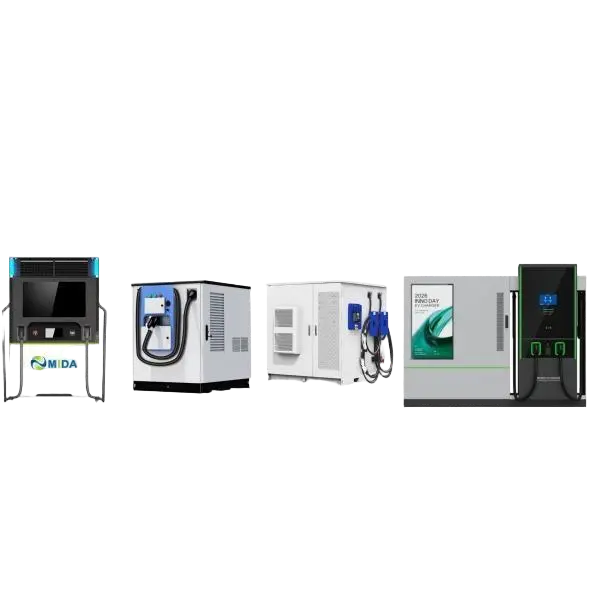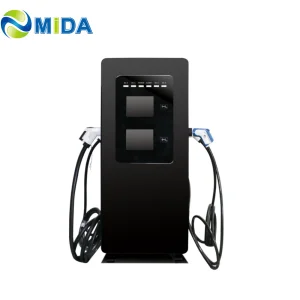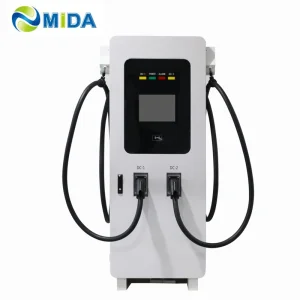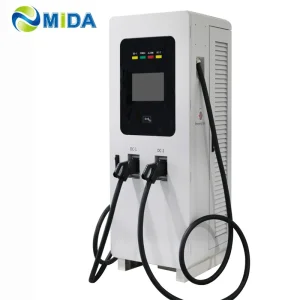
Best CHAdeMO EV DC Charging Station Supplier & Factory

Empowering Global Electrification through High-Power DC Infrastructure, Bidirectional V2G Power Modules, and Integrated BESS Ecosystems.

150k+
Global Deployments
1000A
Peak Current Connectors
1440kW
Max Charging Output
100%
Vertically Integrated Factory

Welcome to MIDA Group

Shanghai Mida Cable Group Ltd. operates through its wholly owned subsidiaries: Shanghai Mida EV Power Co., Ltd., Shenzhen Mida EV Power Co., Ltd., and Shanghai Mida New Energy Co., Ltd. This multi-disciplinary corporate structure ensures that MIDA controls every link of the electric vehicle charging supply chain, from raw materials and transmission lines to complex electronics design and full assembly.

Mida Cable manufactures a comprehensive range of EV charging cables, including 16A–80A J1772 cables, 16A–63A IEC 62196-2 Type 2 cables, and heavy-duty DC fast charging cables: CCS1 (80A–500A), CCS2 (125A–1000A), CHAdeMO (125A–300A), GBT (200A–1000A), and NACS connectors (250A–600A).

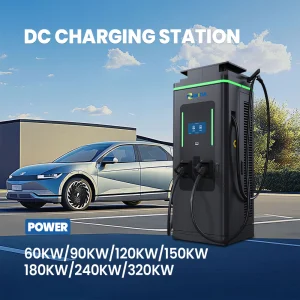
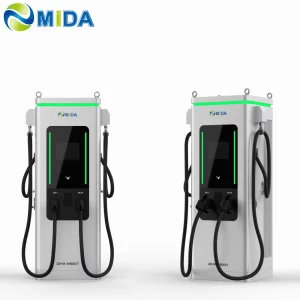
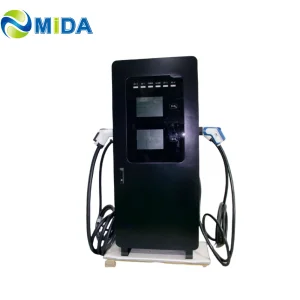
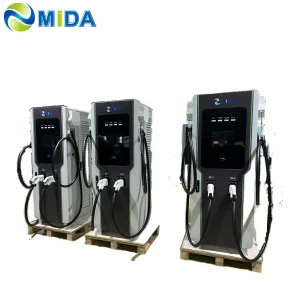
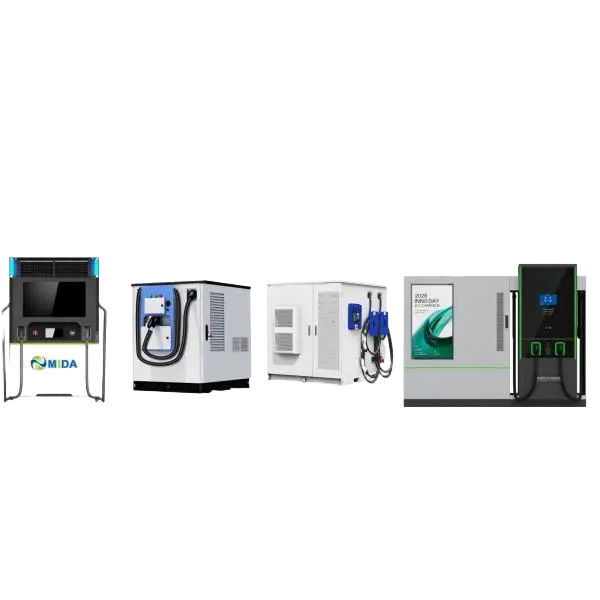
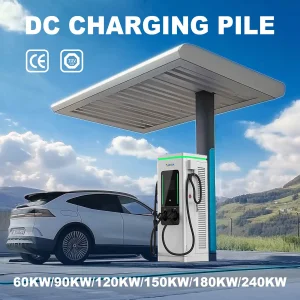
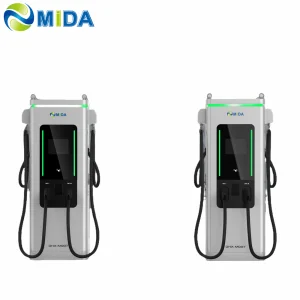
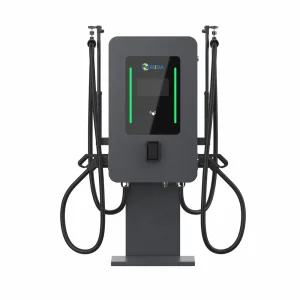
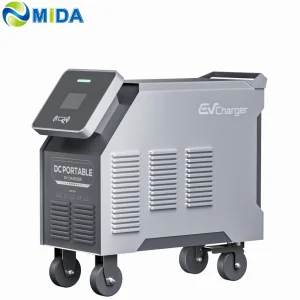
MIDA EV Power produces a full lineup of EV charging stations, such as 7kW–50kW mobile chargers, 3.6kW–7.2kW portable DC chargers, 360kW–1440kW split-type DC fast chargers, 20kW–50kW wall-mounted DC chargers, and 60kW–480kW floor-standing DC fast charging stations.

MIDA New Energy specializes in EV charger power modules, offering 20kW–60kW standard modules, 40kW–125kW liquid-cooled modules, 30kW–62.5kW bidirectional modules, and 20kW–45kW V2G charging modules.

Mida Group Logo

Technical Whitepaper: CHAdeMO EV DC Fast Charging Infrastructure

An in-depth analysis of protocol architectures, bidirectional V2G implementation, and localized supply chain integration.

1. Technical Evolution of the CHAdeMO Protocol

The CHAdeMO standard, established by the CHAdeMO Association, remains a foundational pillar of global DC fast charging infrastructure. Unlike CCS (Combined Charging System), which utilizes Powerline Communication (PLC) over HomePlug Green PHY, CHAdeMO employs the robust and reliable Controller Area Network (CAN) bus communication protocol. This key difference ensures highly stable communication with minimal electromagnetic interference, making it an ideal choice for high-noise industrial and grid environments.

MIDA Group’s engineering department designs station power electronics to natively accommodate CHAdeMO protocols ranging from the classic CHAdeMO 1.2 to the 2.0 version, which supports charging up to 400kW (at 1000V and 400A). Additionally, our engineering roadmap prepares for CHAdeMO 3.0 (ChaoJi), which features ultra-high power capabilities exceeding 900kW, operating under a co-developed backward-compatible standard for global applications.

2. Unlocking Bidirectional V2G Potential

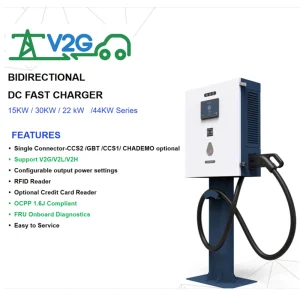
One of CHAdeMO's unique advantages is its native support for bidirectional power flow. While CCS is only recently implementing standard protocols (ISO 15118-20) for vehicle-to-grid (V2G) exchange, CHAdeMO has supported bidirectional charging since its initial releases. MIDA’s 15kW and 30kW Bidirectional EV Charging Stations take full advantage of this capability. By integrating MIDA New Energy's 20kW–45kW V2G charging modules, these stations enable fleet operators and utility providers to turn electric vehicles into mobile battery resources, performing peak-shaving, load leveling, and providing emergency backup power directly to industrial sites or local grids.

3. Structural Resilience of China's Vertically Integrated Supply Chain

For global project developers, procurement cost and lead-time reliability are critical factors. MIDA Group mitigates supply chain risks through complete vertical integration. By owning specialized operations across MIDA Cable, MIDA EV Power, and MIDA New Energy, we do not merely assemble components; we produce the raw elements:

  • Copper and Cable Drawing: Precision high-current cable extrusion (including liquid-cooled pathways) ensures optimum thermal limits.
  • Power Module Foundry: Designing proprietary high-frequency magnetics and switching topologies to maximize efficiency up to 96.5%.
  • Firmware and OCPP Core: Native compliance with OCPP 1.6J and 2.0.1, fully integrated into the station's control board to allow seamless connections to third-party billing and management platforms.

This internal integration translates to a 30% reduction in average delivery times compared to non-integrated suppliers, along with rigorous quality control testing from the raw copper stage up to the finished enclosure.

Primary Product Architecture Categories

MIDA Group delivers scalable solution options tailored to diverse application environments.
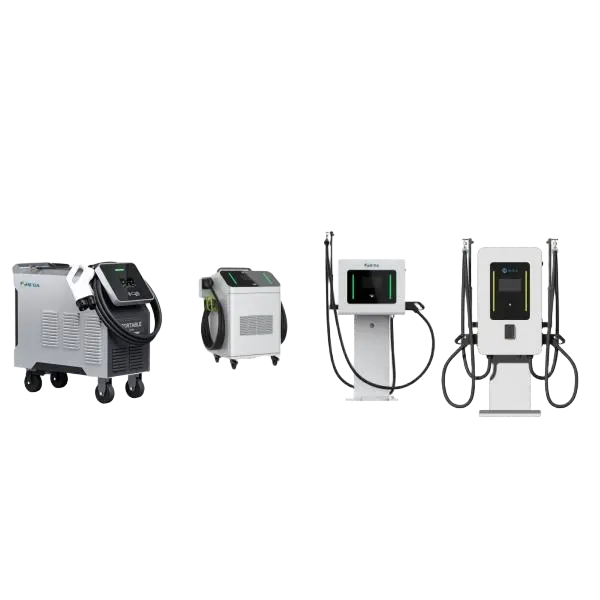
Wall-Mounted and Mobile EV Charger
Wall-Mounted / Mobile EV Chargers
7kW | 20kW | 30kW | 40kW | 60kW | 80kW
View Category
DC Charger Station
DC Charging Stations
60kW - 480kW | 360kW - 1440kW
View Category
BESS Charging Station
BESS Charging Stations
60kWh | 261kWh | 418kWh | 625kWh | 2MkWh
View Category
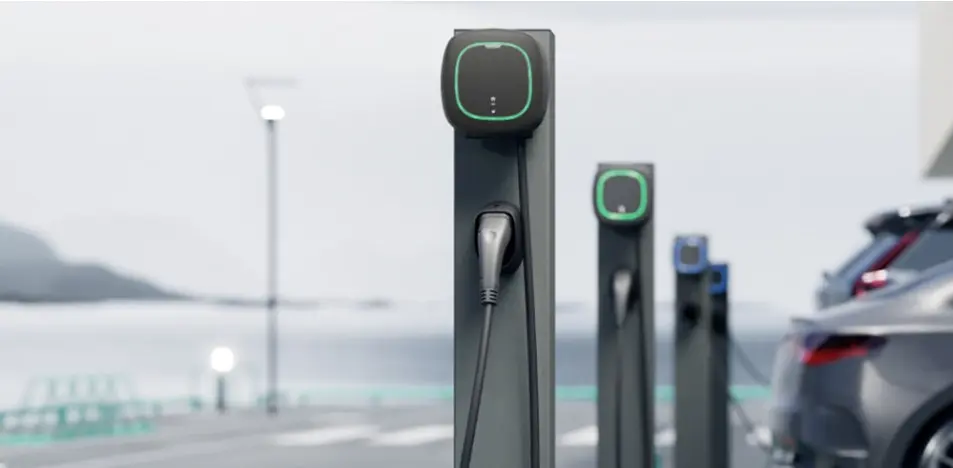
AC EV Charger
AC EV Chargers
Residential & Public Charging Units
View Category

Technical Specifications & Component Options

Investigate our primary sub-assembly lines to learn about MIDA Group's technical innovations.
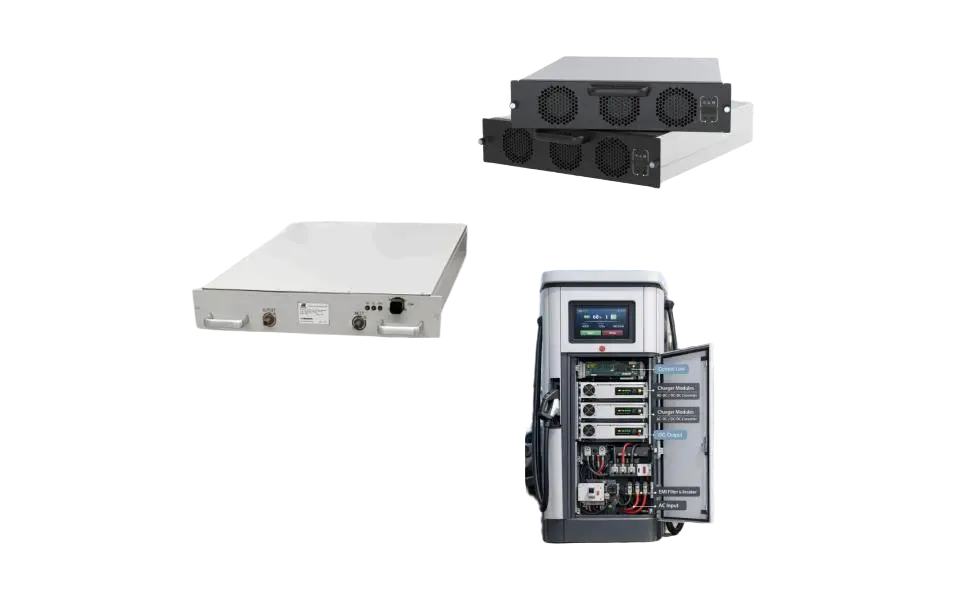
EV Charging Power Module
  • 30kW / 40kW / 50kW / 60kW / 80kW AC-DC EV Charger Modules
  • 30kW / 40kW / 50kW / 60kW DC-DC EV Charger Modules
  • 40kW / 60kW / 75kW / 125kW Liquid-Cooled Power Modules
  • 20kW / 22kW / 30kW / 40kW / 45kW Bidirectional V2G Power Modules
  • 30kW / 40kW / 50kW / 60kW MPPT Solar Charger Modules
  • 20kW / 50kW / 62.5kW Bidirectional AC-DC Power Modules
Learn More
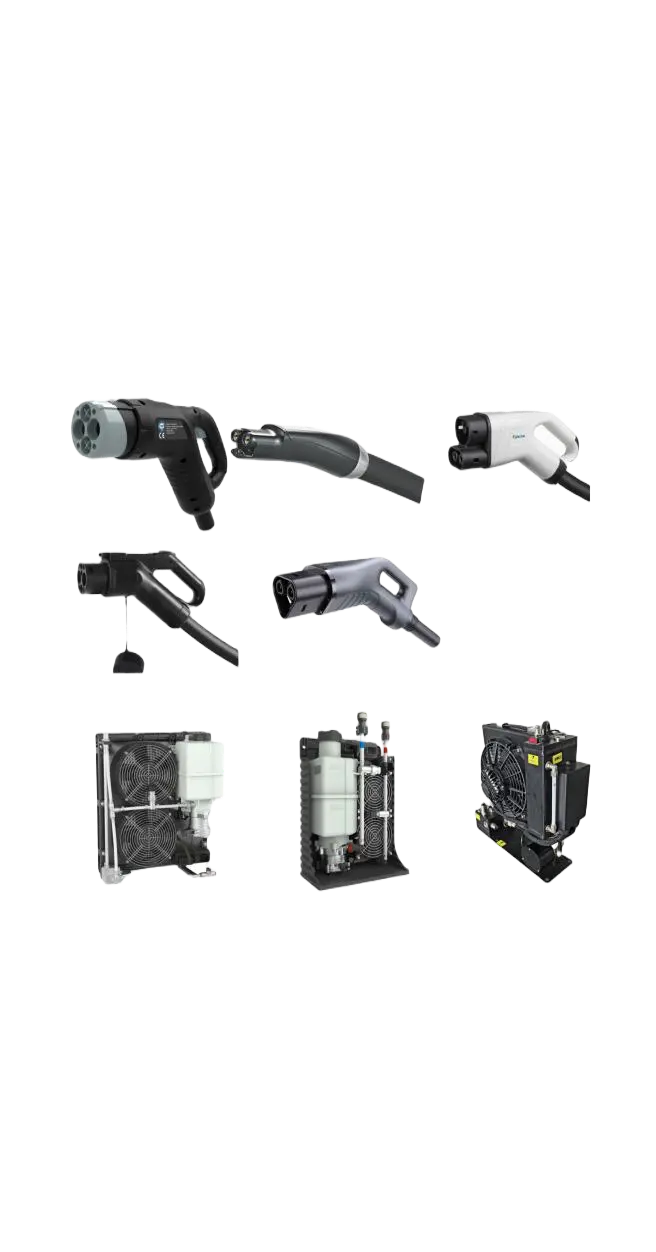
DC Charging Connector & Liquid Cooling Unit
  • 500A / 600A CCS1 & CCS2 & GBT Connectors
  • 125A / 250A / 300A / 350A NACS & CHAdeMO Connectors
  • 1500A MCS Connectors & CHAOJI Connectors
  • 3.5kW / 4.5kW / 6kW / 9kW Integrated Liquid-Cooling Units
  • 2.4kW / 3.5kW Split-Type Cooling Units
  • 25kW - 72kW Cooling Units for HPC Charging Stations
Learn More
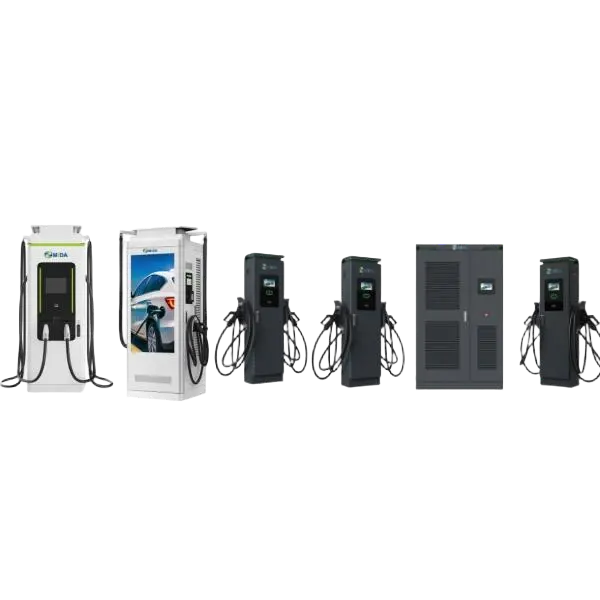
DC Fast Charger Station
  • 7kW - 60kW Mobile DC Charging Stations
  • 20kW - 80kW Wall-Mounted DC Charging Stations
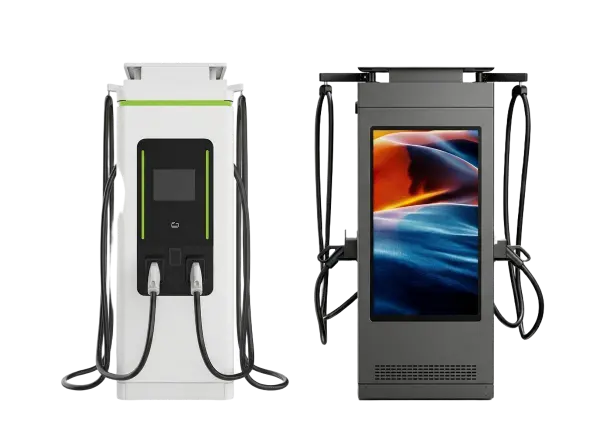
  • 60kW - 480kW Floor-Mounted Public Charging Stations
  • 60kW - 240kW Advertising Charging Stations (43" & 55" Screens)
  • 600kW - 1080kW Liquid-Cooled Charging Stations
  • 360kW - 1680kW Split-Type DC Charging Stations
Learn More
Energy Storage Charging Station
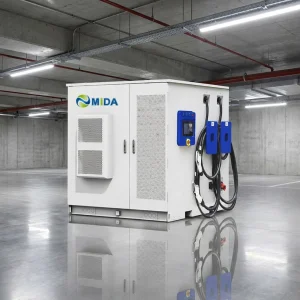
  • 15kW - 480kW Mobile ESS Charging Stations
  • 60kW - 400kW Integrated ESS Charging Piles
  • 65kWh - 200kWh Emergency Rescue Charging Stations
  • 165kWh Automatic Charging Robots
  • 800kWh - 2000kWh Solar Energy Charging Systems
Learn More

4. Localized Applications & Technical Adaptations

Operating a global charging network requires adaptibility to regional climate challenges, power grids, and local zoning requirements. MIDA Group engineers all CHAdeMO stations with targeted localized configurations:

  • Cold Climate Enhancements: For cold regions like Northern Europe, Canada, and Northern Japan, charging systems feature integrated pre-heating systems. These warm internal electrical components and coolant paths before charging to maintain full performance in environments as low as -40°C.
  • Grid-Deficient Areas (BESS Integration): In regional hubs with limited grid infrastructure, installing high-power DC chargers can strain local grids. MIDA’s integrated BESS (Battery Energy Storage System) charging stations act as buffers. They store energy during off-peak times and release it at rates up to 160kW during active sessions, preventing utility over-limit fees and grid collapse.
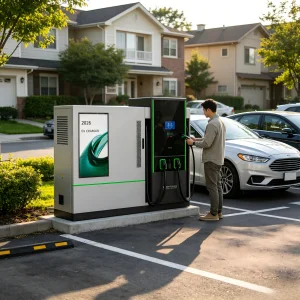
  • Public Parking Integration: Commercial charging setups require advanced user-interaction capabilities. MIDA’s stations support integration with external POS card readers, RFID, dynamic QR codes, and smart monitoring displays. This enables easy, standalone operation in metropolitan centers and retail shopping environments.

5. Future Outlook: Coexistence of ChaoJi, NACS, and CHAdeMO

As the EV ecosystem shifts, standard compatibility is vital for protecting infrastructure investments. The next-generation CHAdeMO 3.0 standard, code-named ChaoJi, represents a collaboration between the CHAdeMO Association and China Electricity Council (CEC) to build a unified ultra-high-power connector. MIDA Group is actively developing backward-compatible adaptors and multi-protocol control boards. This allows operators to run dual-outlet configurations (such as CHAdeMO and CCS2, or NACS and CHAdeMO) on the same charger, protecting capital investments from changing vehicle compatibility requirements over the next decade.

Corporate & Technical Insights

Keep up to date with the latest developments in large-scale electric bus transit charging systems and pantograph hardware.
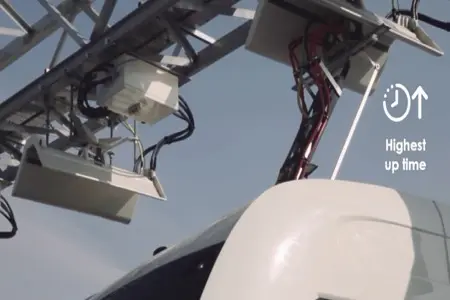
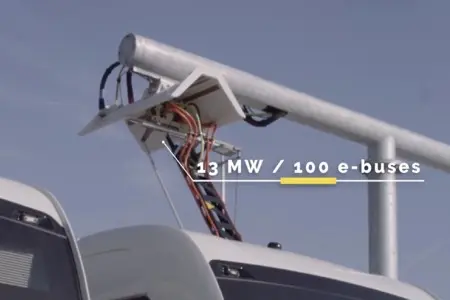
E-Bus Pantograph Dome Advantages
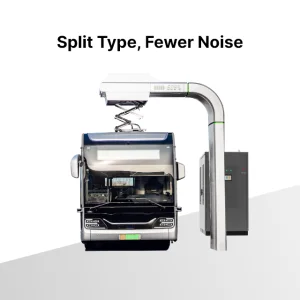
What are the advantages of an e-bus pantograph dome? In contrast to classic plug-in charging systems, e-bus pantographs enable automated overhead high-power charging, removing the need for manual cable handling and optimizing fleet depot management.
E-Bus Pantograph Charging Speed
How long does it take to charge with an e-bus pantograph? The charging time depends on the battery capacity and the station's configuration. With MIDA’s 600kW systems, quick top-ups can take as little as 10 to 15 minutes.
Pantograph Installation Guide
How to Install the Pantograph Up Charger System Dome for Electric Buses. Installing a "Pantograph Up" system requires precise positioning of the overhead dome structure to ensure safe, automated contact during docking.

Industry Q&A: CHAdeMO EV DC Charging Stations

Get answers to common questions about planning, installing, and maintaining CHAdeMO infrastructure.
Can CHAdeMO chargers be used to charge CCS or NACS vehicles?
Directly, no, because the physical connectors and communication protocols (CAN bus for CHAdeMO, PLC for CCS/NACS) are different. However, operators can address this by installing multi-standard stations (e.g., dual-outlet CCS + CHAdeMO systems) or using certified external adapters.
What is the efficiency loss of MIDA's V2G Bidirectional Chargers?
MIDA's bidirectional V2G power modules use SiC (Silicon Carbide) power switches, which keep total conversion losses under 4.5% during both charge and discharge cycles, resulting in a round-trip efficiency of approximately 91%.
How does liquid cooling benefit high-power DC charging?
Liquid cooling runs coolant through the charging cable and connector, keeping temperatures low during high-current sessions. This allows the system to use thinner, lighter cables while safely delivering currents above 250A without overheating.
What certifications do MIDA Group products hold?
Our products are certified to meet major international standards, including CE, UL, CB, UKCA, and JET. Additionally, our factories are ISO 9001, ISO 14001, and ISO 45001 certified.
MIDA EV Power Advanced Industrial Production Factory