Best CCS2 DC Charging Station Manufacturer & Factory

Providing high-efficiency, multi-standard DC chargers, V2G systems, and modular liquid-cooled charging solutions worldwide.

Global Business and Industrial Landscape of CCS2 DC Charging Infrastructure

The global transition to electric mobility has reached an inflection point, with the Combined Charging System 2 (CCS2) standard emerging as the definitive architecture for high-power DC fast charging in Europe, Oceania, Southeast Asia, South America, and parts of the Middle East. As EV adoption penetrates heavy-duty commercial fleets, municipal transit networks, and long-haul transport corridors, the demand for scalable CCS2 DC charging stations is experiencing exponential growth.

In mature markets like Europe, regulatory frameworks under the Alternative Fuels Infrastructure Regulation (AFIR) mandate strict targets for public charging capacity, driver payment interfaces (such as POS terminal integration), and high-power charging (HPC) density along primary transport corridors. This policy pushes Charge Point Operators (CPOs) and fleet administrators to source high-reliability hardware platforms capable of delivering continuous power from 60kW up to 480kW, and even megawatts for heavy trucks. As a result, Tier-1 manufacturing facilities must deliver solutions that not only satisfy high thermal loads through advanced cooling techniques but also feature seamless compatibility with diverse automotive brands, grid environments, and dynamic management platforms.

Key Market Catalyst: ISO 15118 and DIN 70121 compatibility, smart vehicle-to-grid (V2G) bidirectional communication, and high-voltage architectures (up to 1000V DC) have transformed the traditional charger from a simple power converter into an intelligent edge-computing node on the grid.
98.5%
Peak Module Efficiency
1500V
Max Operating System Voltage
100k+
Global Charging Ports Shipped

WELCOME TO MIDA GROUP

Shanghai Mida Cable Group Ltd. operates through its wholly owned subsidiaries: Shanghai Mida EV Power Co., Ltd., Shenzhen Mida EV Power Co., Ltd., and Shanghai Mida New Energy Co., Ltd.

Mida Cable manufactures a comprehensive range of EV charging cables, including 16A–80A J1772 cables, 16A–63A IEC 62196-2 Type 2 cables, and DC fast charging cables: CCS1 (80A–500A), CCS2 (125A–1000A), CHAdeMO (125A–300A), GBT (200A–1000A), and NACS connectors (250A–600A).

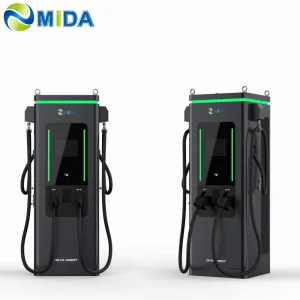
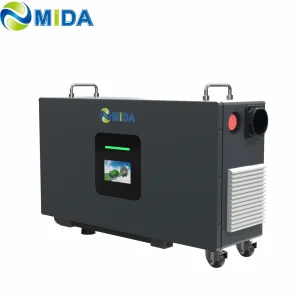
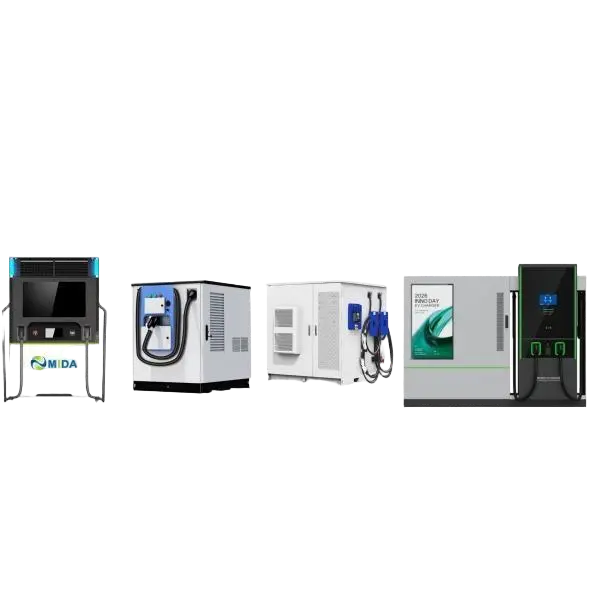
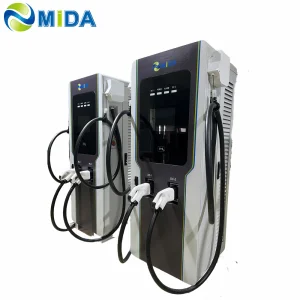
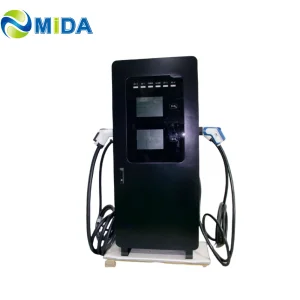
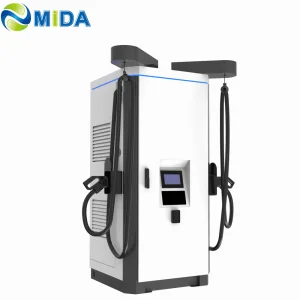
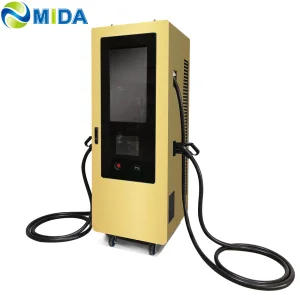
MIDA EV Power produces a full lineup of EV charging stations, such as 7kW–50kW mobile chargers, 3.6kW–7.2kW portable DC chargers, 360kW–1440kW split-type DC fast chargers, 20kW–50kW wall-mounted DC chargers, and 60kW–480kW floor-standing DC fast charging stations.

MIDA New Energy specializes in EV charger power modules, offering 20kW–60kW standard modules, 40kW–125kW liquid-cooled modules, 30kW–62.5kW bidirectional modules, and 20kW–45kW V2G charging modules.

MIDA Quality Certification Logo

Unrivaled Factory Efficiencies: The Chinese Supply Chain Advantage

Sourcing CCS2 DC charging infrastructure from a Tier-1 Chinese factory unlocks a convergence of rapid manufacturing scaling, cost optimization, and extensive supply chain resilience. The Chinese EV charging industry is integrated within clusters that group raw copper refineries, specialized cable extrusion plants, power semiconductor packaging firms, and sheet-metal fabricators in close geographical proximity. This vertical supply integration enables MIDA Group to progress from custom sheet metal prototyping to final volume production in a fraction of the time required by Western OEMs.

Furthermore, Chinese electronics factories lead in automated printed circuit board (PCB) assembly and robotic wiring harness routing. High levels of manufacturing automation, paired with advanced end-of-line testing—such as simulated vehicle-load tests (using hardware-in-the-loop systems) and climatic chamber stress testing—guarantee zero-defect shipments. By optimizing the manufacturing yield of critical subcomponents, such as the 30kW, 40kW, and liquid-cooled 125kW power modules, we deliver superior cost-efficiency. Operators receive highly advanced hardware, and factories retain the capacity to rapidly scale from single-unit custom configurations to gigawatt-scale pipeline orders.

Primary Product Verticals

Engineered to operate reliably under extreme conditions, MIDA Group's charging products deliver outstanding energy conversion efficiency.

AC EV Charger

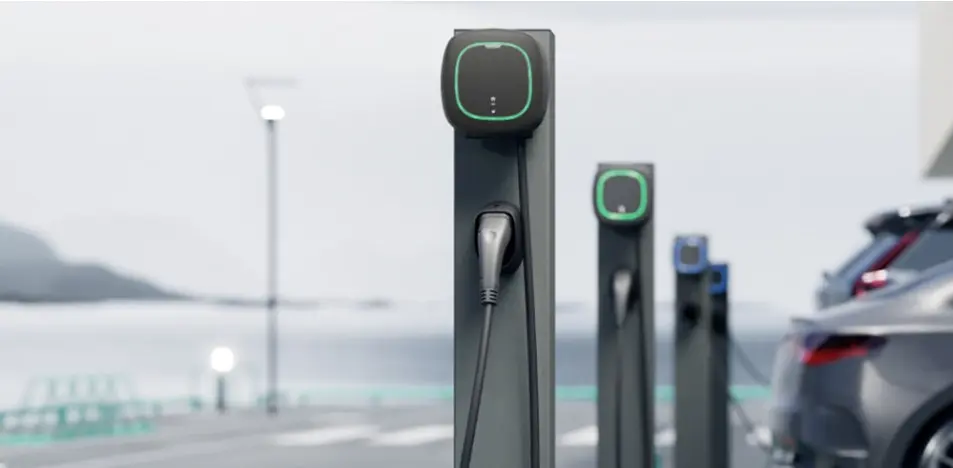
Wallbox and floor-mount configurations optimized for residential and light commercial integration.

View More
AC EV Charger Banner Image

Wall-Mounted/Mobile EV Charger

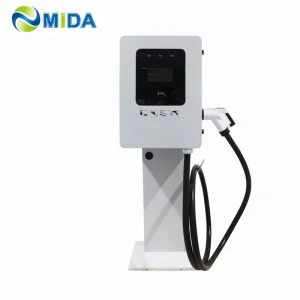
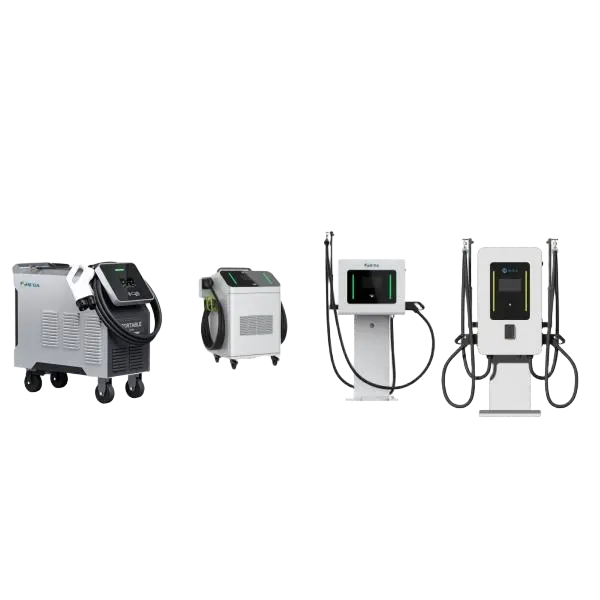
7kW 20kW 30kW 40kW 60kW 80kW systems for fleet dynamic mobility and flexible installations.

View More
Wall-Mounted and Mobile EV Charger Systems

DC Charger Station

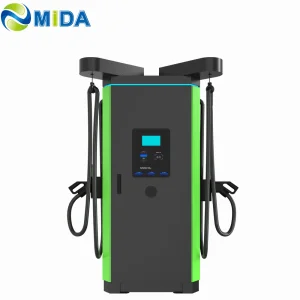
60kW-480kW and 360kW-1440kW high-speed architectures for service stations and heavy transit depots.

View More
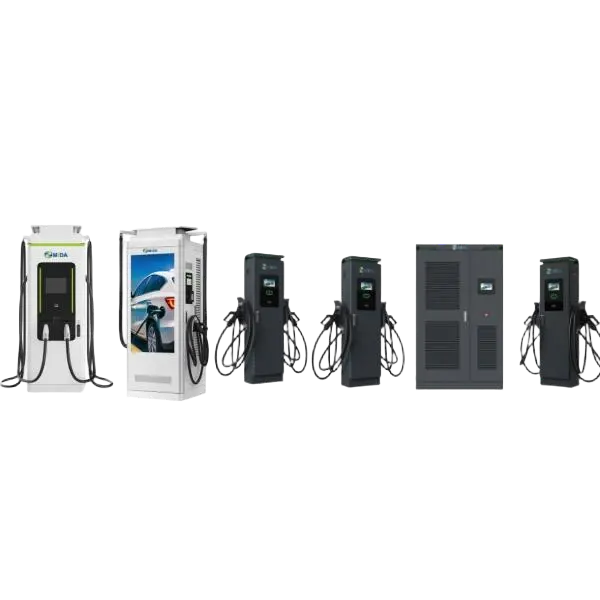
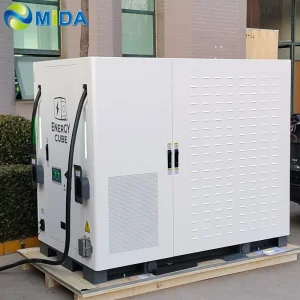
High-Performance DC Charging Station Modules

BESS Charging Station

60kWh 261kWh 418kWh 625kWh 2MkWh battery integrated stations for peak shaving and off-grid solutions.

View More
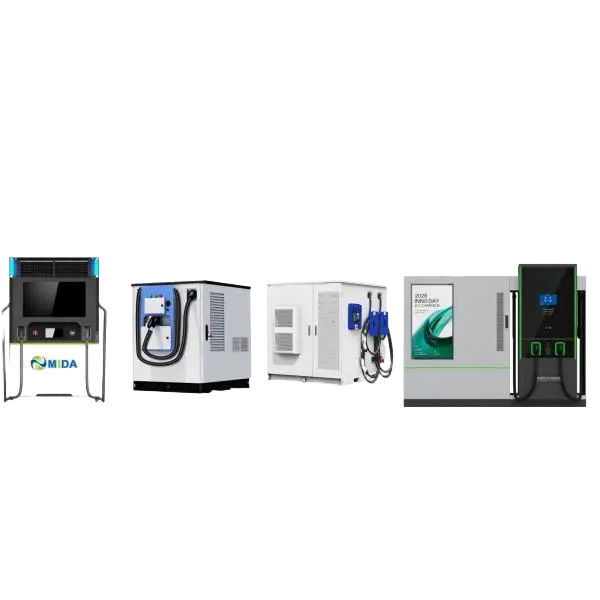
Integrated Energy Storage BESS Charger Systems

Localized Application Scenarios & Engineering Customization

A globally competitive CCS2 DC fast charging station cannot rely on a one-size-fits-all engineering approach. Grid voltages, thermal demands, and structural requirements vary extensively by deployment region. MIDA Group specializes in custom hardware modification, enabling compliance with local technical demands and climatic environments:

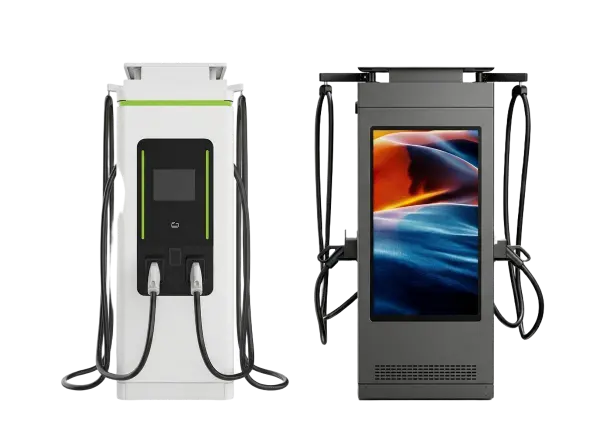
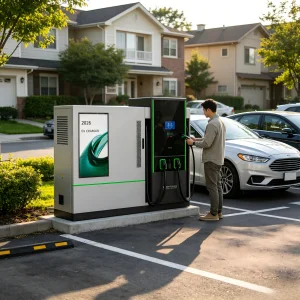
  • Urban & Public Charging Networks: Incorporates dual-gun CCS2 connectors with dynamic power-sharing algorithms, embedded RFID scanners, customized POS credit card payment integrations, and high-visibility digital advertising screens (ranging from 43 to 55 inches) to optimize CPO business models.
  • Highways and Fast-Charging Corridors: Employs liquid-cooled charging systems rated from 600kW to 1080kW. By using thin, lightweight liquid-cooled cables, drivers can easily plug in up to 500A (continuous) at 1000V. This configuration reduces recharge times for premium passenger EVs and commercial SUVs to less than 15 minutes.
  • Heavy-Duty Fleet Depots: Features split-type DC charging hubs (360kW to 1680kW) that supply power to multiple satellite dispensers. By dynamically distributing power, depots can charge electric buses overnight at optimal rates without overloading local grid capacity.
  • Remote & Off-Grid Settings: Integrates Battery Energy Storage Systems (BESS) and high-efficiency MPPT solar solar charge controllers (from 200kWh capacity and upwards) to support EV fast charging in areas with limited grid connectivity.

Comprehensive Hardware Subsystems

Technical capabilities across MIDA Group's four main development divisions.
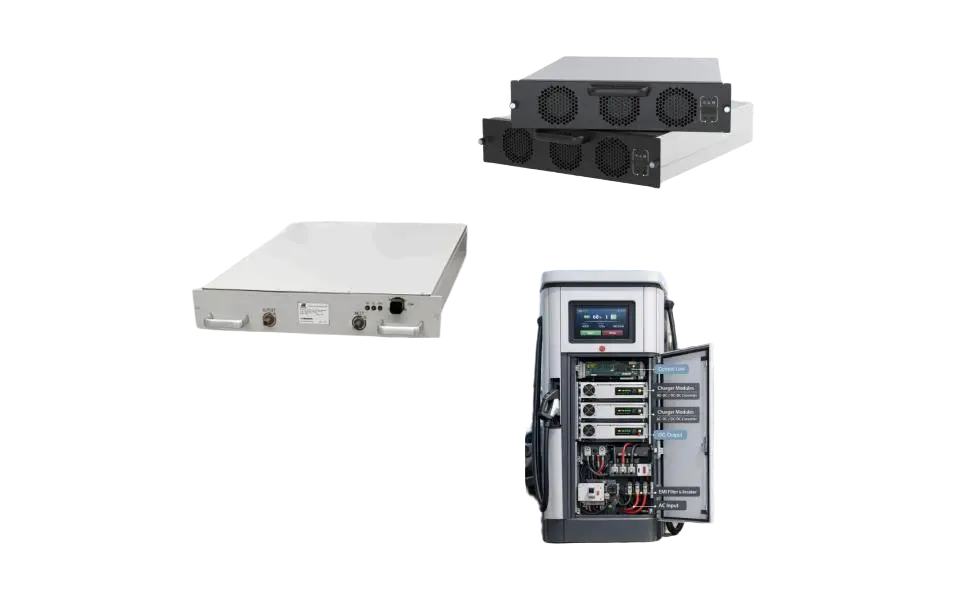
EV Charging Power Modules

  • 30kW 40kW 50kW 60kW 80kW AC DC EV Charger Modules
  • 30kW 40kW 50kW 60kW DC DC EV Charger Modules
  • 40kW 60kW 75kW 125kW Liquid Cooled Power Modules
  • 20kW 22kW 30kW 40kW 45kW V2G Power Modules
  • 30kW 40kW 50kW 60kW MPPT Power Modules
  • 20kW 50kW 62.5kW Bidirectional AC DC Power Modules
Power Module Component Lineup
🔌

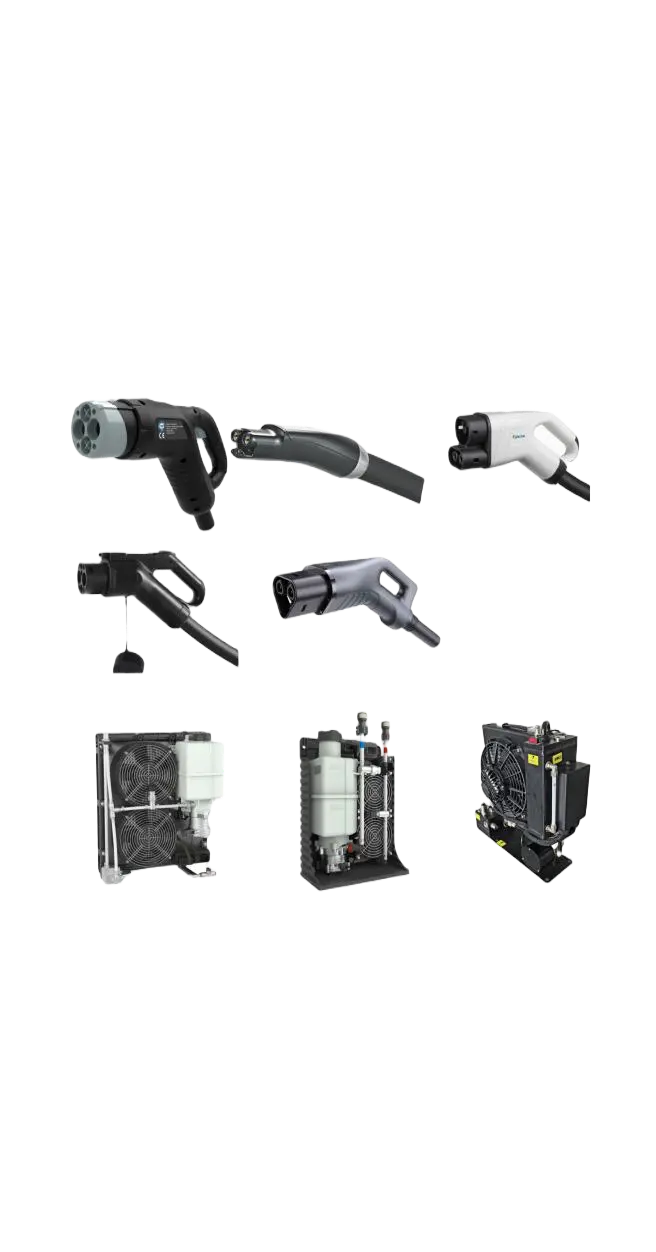
DC Connectors & Cooling Units

  • 500A 600A CCS1 & CCS2 & GBT Connectors
  • 125A 250A 300A 350A NACS & CHAdeMO Connectors
  • 1500A MCS Connectors & CHAOJI Connectors
  • 3.5kW 4.5kW 6kW 9kW Integrated Liquid Cooling Units
  • 2.4kW 3.5kW Split Type Cooling Units
  • 25kW ~72kW Cooling Units for HPC Charging
DC Charging Connector Components
🏢

DC Fast Charger Stations

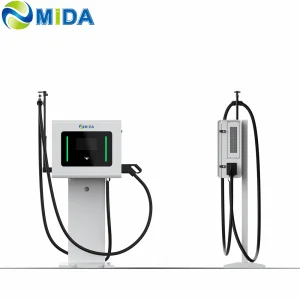
  • 7kW~ 60kW Mobile DC Charging Stations
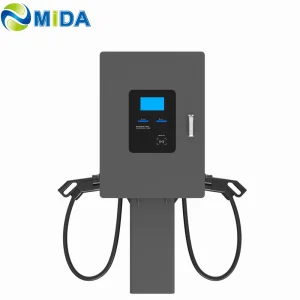
  • 20kW ~80kW Wall Mounted DC Charging Stations
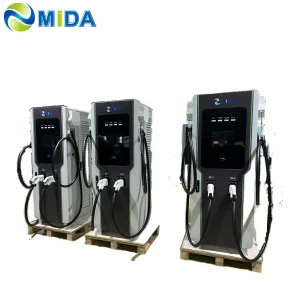
  • 60kW ~480kW Floor Mounted Charging Stations
  • 60kW~240kW Advertising Charging Stations (43inch, 55inch)
  • 600kW ~1080kW Liquid Cooled Charging Stations
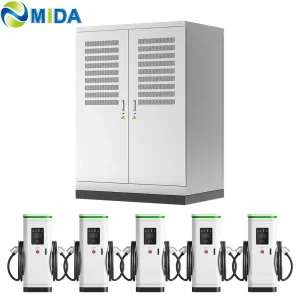
  • 360kW ~ 1680kW Split Type DC Charging Stations
DC Fast Charger Cabinet
🔋

Energy Storage Charging Stations

  • 15kW~480kW Mobile ESS Charging Stations
  • 60kW ~ 400kW Integrated ESS Charging Piles
  • 65kWh~200kWh Emergency Rescue Charging Stations
  • 165kwh Automatic Charging Robots
  • 800kwh~2000kwh Solar Energy Charging Systems
ESS Charging Unit Illustration

Future Development Trends in the Fast-Charging Industry

Three main trends are shaping the future of high-power DC fast-charging technology: the widespread adoption of high-voltage 800V-1000V vehicle architectures, the expansion of grid-independent or grid-stabilized hybrid charging stations, and the implementation of vehicle-to-grid (V2G) bidirectional power exchange.

To support next-generation electric trucks and high-performance passenger vehicles, DC systems are moving away from traditional 400V limits toward high-efficiency 1000V operational envelopes. Power module manufacturers are responding by developing 60kW and 125kW subsystems built on Silicon Carbide (SiC) semiconductor platforms. SiC technology minimizes switching losses and enables operating efficiencies exceeding 98%. Combined with advanced liquid cooling, SiC-based chargers reduce cabin noise, extend component life, and maintain a compact footprint, making them ideal for space-constrained urban installations.

Additionally, bidirectional V2G power conversion is transition from pilot testing to commercial deployment. By utilizing bidirectional AC/DC charging modules, EV fleet operators can transform parked fleets into virtual power plants (VPPs). This allows operators to discharge power back to the grid during peak rate periods, generating new revenue streams while stabilizing the local grid. Integrating solar generation and battery energy storage directly into DC charging hubs (Solar-plus-Storage fast chargers) also shields operators from high demand charges and grid capacity constraints, ensuring reliable fast charging anywhere.

Corporate Insights & Engineering Developments

Stay updated with technical developments from our engineering department regarding automated transit charging systems.
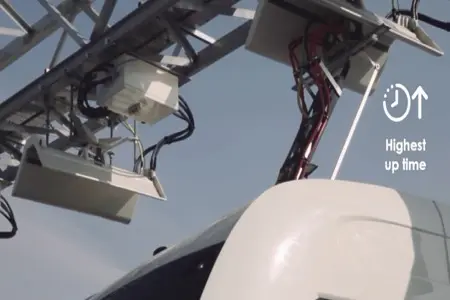
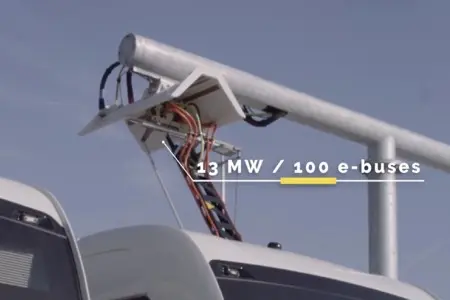
e-bus pantograph dome system technology

What are the advantages of an e-bus pantograph dome?

In contrast to classic plug-in charging systems, e-bus pantograph dome systems automate municipal transit charging, maximizing safety and enabling megawatt charging cycles.
Date: 26-07-12 Read Article →
e-bus pantograph charging time metrics

How long does it take to charge with an e-bus pantograph?

The charging duration depends heavily on the battery chemistry and overall capacity. Modern high-power configurations can charge an electric bus to 80% in under 10 minutes.

Date: 26-07-12 Read Article →
Pantograph Up system installation dome guide

How to Install the Pantograph Up Charger System Dome for Electric Bus

Installing a "Pantograph Up" dome system requires precise mechanical integration, structural calculation, and robust electric alignment protocols.

Date: 26-07-12 Read Article →

Procurement Checklists for EPCs, CPOs and Fleet Directors

Selecting a manufacturing partner for CCS2 DC fast chargers requires careful evaluation. The system configuration must align with long-term infrastructure plans and local operating environments. Below is a strategic checklist for procurement managers evaluating potential partners:

  1. Interoperability & Software Integrations: Verify that the hardware supports OCPP 1.6J/2.0.1, dynamic load management (DLM), and remote diagnostic monitoring. The charging station should also support ISO 15118 (Plug & Charge) to enable seamless authentication.
  2. Thermal Management: For hot climates or locations requiring back-to-back fast charging, choose liquid-cooled modules. Liquid-cooled systems prevent thermal derating, ensuring the charger can deliver maximum output when it is needed most.
  3. Compliance & Safety Certification: Confirm the manufacturer holds relevant international certifications (such as CE, TÜV, RoHS, and CB). These certifications guarantee the equipment meets local utility safety requirements and electrical standards.
  4. Component Redundancy: Opt for modular architectures that cluster multiple 30kW or 40kW power units in a single cabinet. If one module encounters a fault, the cabinet can keep operating at a reduced output, preventing downtime while waiting for service.

Frequently Asked Questions

Technical answers directly from MIDA Group's engineering division.

What distinguishes CCS2 from other DC charging standards?
The Combined Charging System 2 (CCS2) is the standard charging interface throughout Europe, Oceania, and multiple regions across Asia and South America. It combines AC single-phase or three-phase charging connections with high-power DC fast-charging terminals in a single inlet design, supporting up to 1000V DC and currents exceeding 500A (via liquid-cooled systems).
How does liquid cooling improve CCS2 DC charging stations?
Liquid cooling circulates coolant through the charging cable and connector, dissipating heat generated by high currents (typically above 250A). This active thermal management prevents overheating and allows for thinner, lighter, and more flexible cables, making them easier for drivers to handle while supporting continuous outputs of 350kW to 600kW.
Do MIDA Group's charging stations support OCPP 2.0.1 and Plug & Charge?
Yes. MIDA Group's DC charging systems support OCPP 1.6J and are upgradeable to OCPP 2.0.1. They also support ISO 15118 (Plug & Charge), which enables automated authentication and payment processing as soon as the charging cable is connected to the vehicle.
What is the advantage of using modular power modules in DC chargers?
Modular layouts use multiple hot-swappable power modules (such as 30kW, 40kW, or 60kW modules) to achieve high power ratings. If a single module fails, the charger redistributes the load among the remaining modules and stays online. This setup improves system reliability and simplifies maintenance.
Can we integrate Energy Storage Systems (BESS) with your DC chargers?
Absolutely. MIDA Group offers integrated and split-type BESS charging systems (supporting storage capacities from 60kWh to 2MkWh). Sourcing a system with integrated energy storage helps shave peak grid demand, reduces installation costs, and allows for high-power DC charging in locations with limited grid capacity.
What localized certifications do MIDA Group products carry?
Our products are engineered to comply with major international electrical safety standards. They hold CE, TÜV, RoHS, and CB certifications, ensuring compliance with grid codes and safety regulations across Europe, South America, and Asia-Pacific.
MIDA Group Factory Workshop EV Charging Infrastructure Manufacture