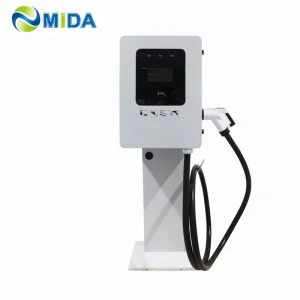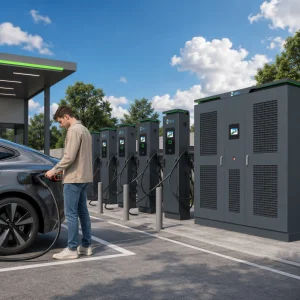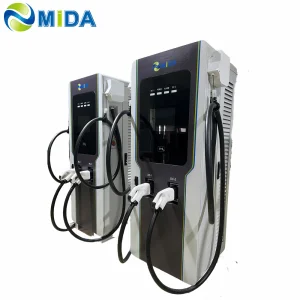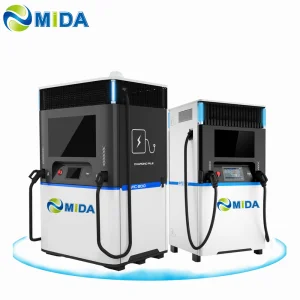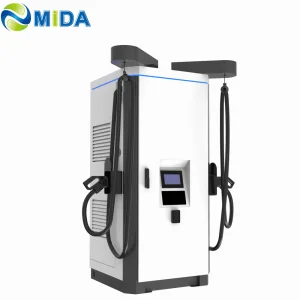
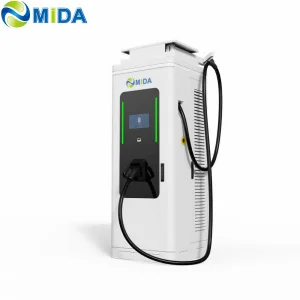
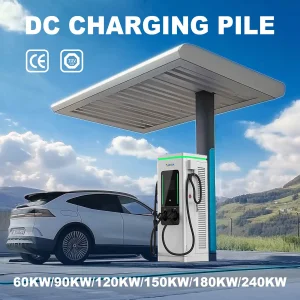
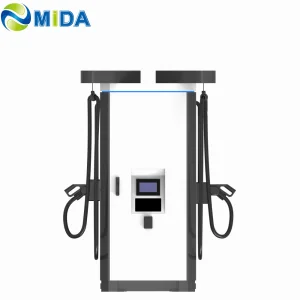
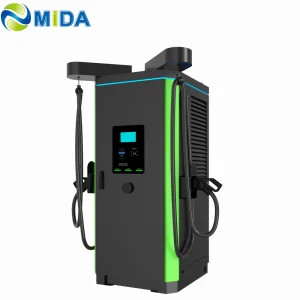
As the global transition to clean transportation accelerates, Charge Point Operators (CPOs) and fleet administrators face critical decisions regarding energy provisioning, spatial constraints, and capital allocation. The 50kW CHAdeMO charger remains an essential cornerstone of municipal grids and industrial operations worldwide. While ultra-fast chargers (>150kW) capture media headlines, engineering realities indicate that 50kW installations offer the most balanced profile for thermal control, battery longevity, installation economics, and grid compatibility.
Lithium-ion cells display optimal charging efficiencies and chemical stability when charging rates do not exceed 1C to 1.5C. A 50kW DC fast charging station delivers high energy densities without requiring liquid-cooled cables or complex onboard thermal management programs. This drastically reduces the structural bill of materials (BOM), lowering the unit's failure points and lowering initial capital expenditure by up to 60% compared to 150kW+ configurations.
Placing multi-megawatt stations onto municipal low-voltage grids requires costly substation upgrades. A 50kW CHAdeMO fast charger can comfortably interface with standard industrial three-phase connections (380V-480V AC) without requiring expensive medium-to-low voltage transformer overhauls. This enables rapid deployment across legacy warehouses, commercial parks, and metropolitan parking structures.
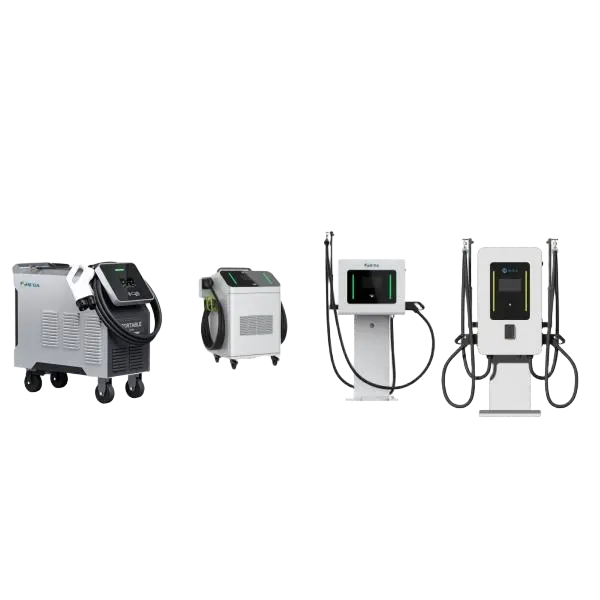
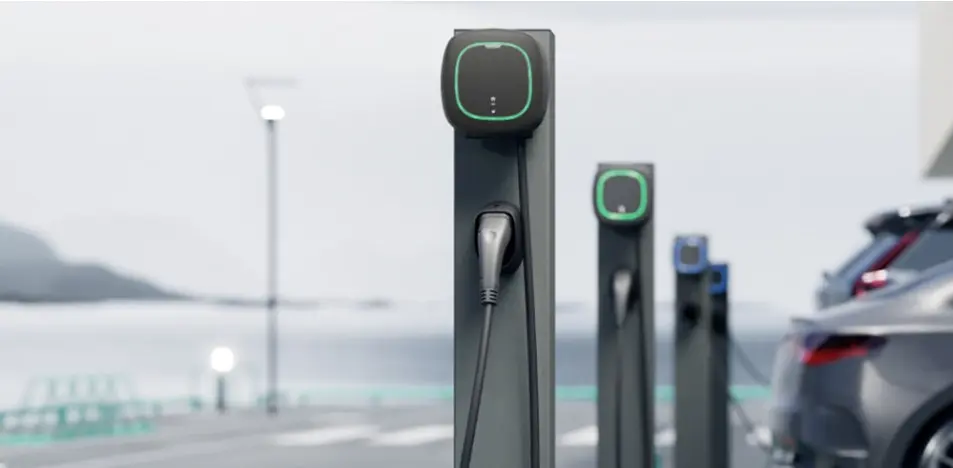
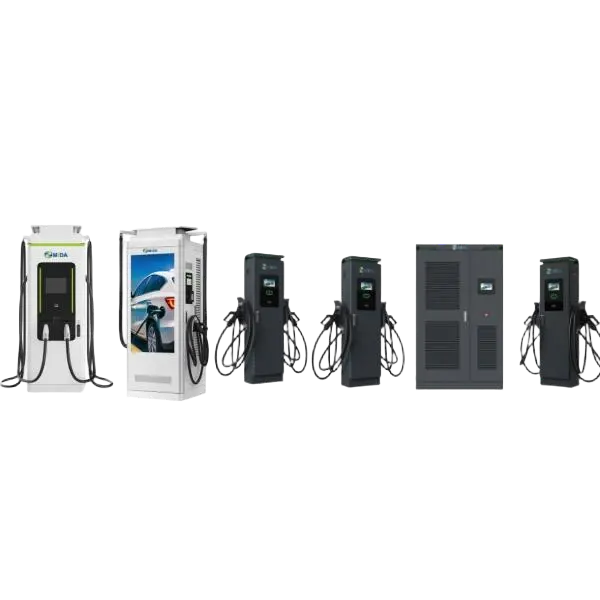
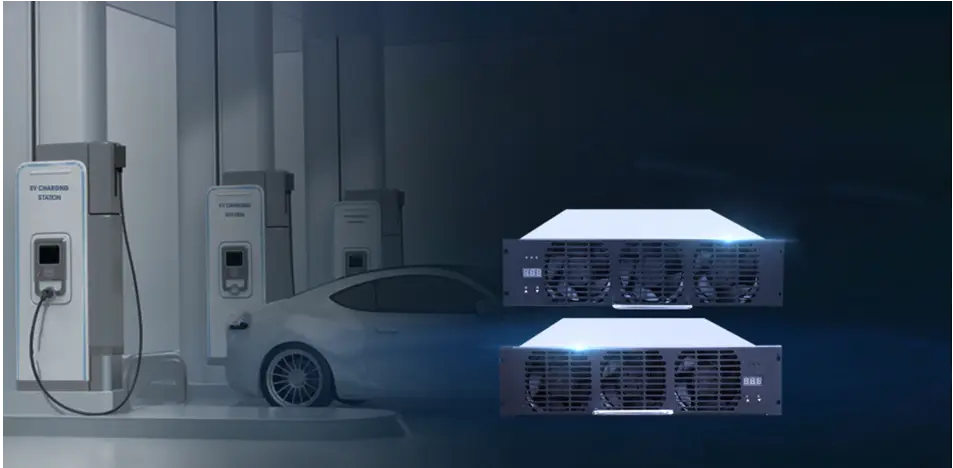
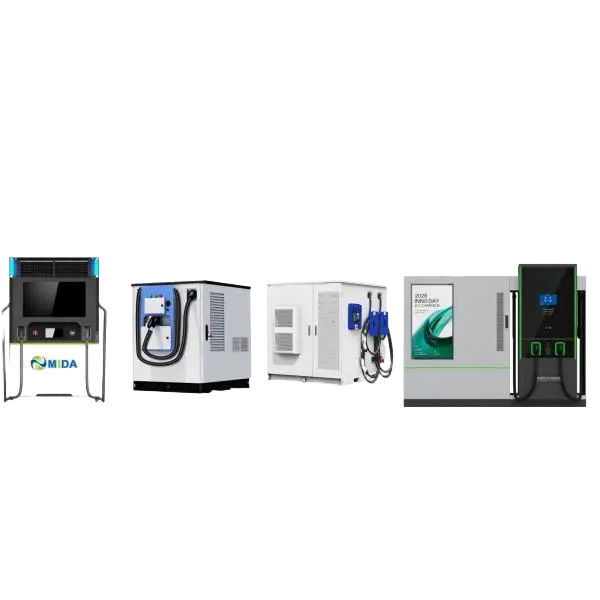
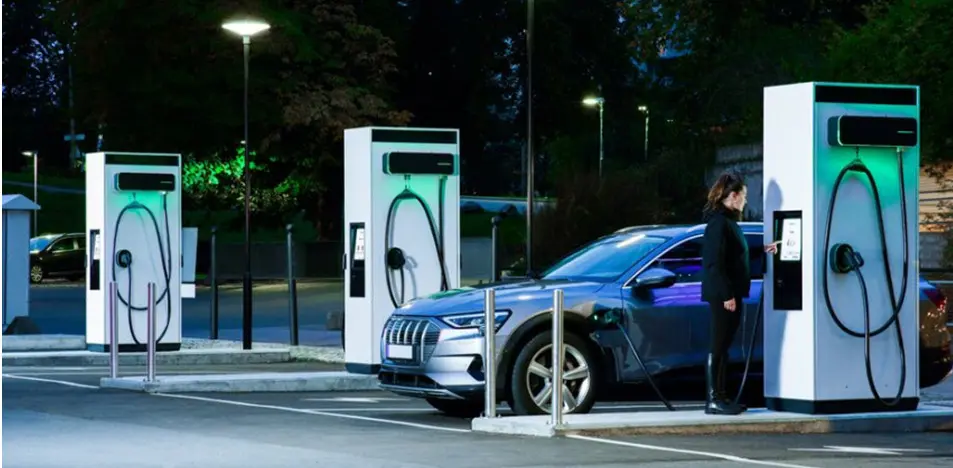
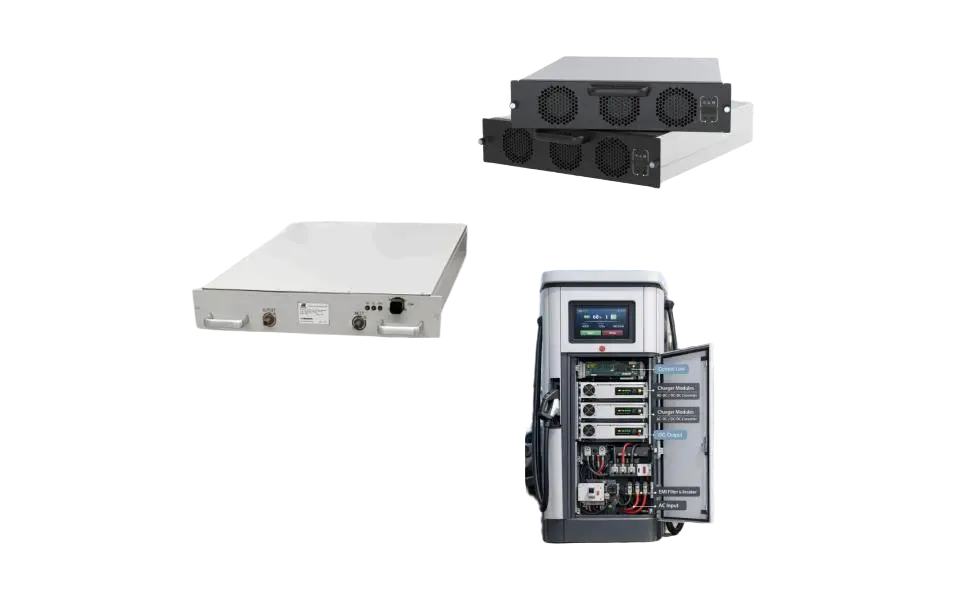
Understanding the inner components of a industrial-grade 50kW CHAdeMO charger requires analyzing three core domains: Power Electronics Topology, Communication Protocol Layers, and Thermal Management Architectures.
High-quality 50kW chargers convert Grid AC into stable DC utilizing high-frequency switching technology. The industry benchmark uses Silicon Carbide (SiC) MOSFETs within an interleaved LLC resonant converter topology. This method maintains high efficiency curves (exceeding 96.5% at nominal load) while reducing electromagnetic interference (EMI). The output stage regulates charging voltage between 150V DC and 500V DC (with high-voltage variants extending up to 1000V DC) depending on the vehicle's battery pack state of charge (SoC).
In contrast to CCS (Combined Charging System), which utilizes Powerline Communication (PLC) under ISO 15118 standards, CHAdeMO uses a dedicated Control Area Network (CAN) bus connection. This architecture ensures high-speed, noise-resistant real-time telemetry exchanges between the EV's Battery Management System (BMS) and the charger controller. Parameter values like current request, max allowable voltage, and thermals are monitored in 100ms loops, ensuring immediate cutoff in the event of an electrical anomaly.
To operate reliably in harsh outdoor settings, 50kW units must feature Galvanic Isolation with high-frequency transformers. Total Harmonic Distortion (THD) on the AC input must be maintained under 5% to comply with IEEE 519 standards. Environmental shielding must hit IP54 or IP55 to prevent dust ingress and moisture-induced board degradation in humid or coastal areas.
Shanghai Mida Cable Group Ltd. operates through its wholly owned subsidiaries: Shanghai Mida EV Power Co., Ltd., Shenzhen Mida EV Power Co., Ltd., and Shanghai Mida New Energy Co., Ltd.
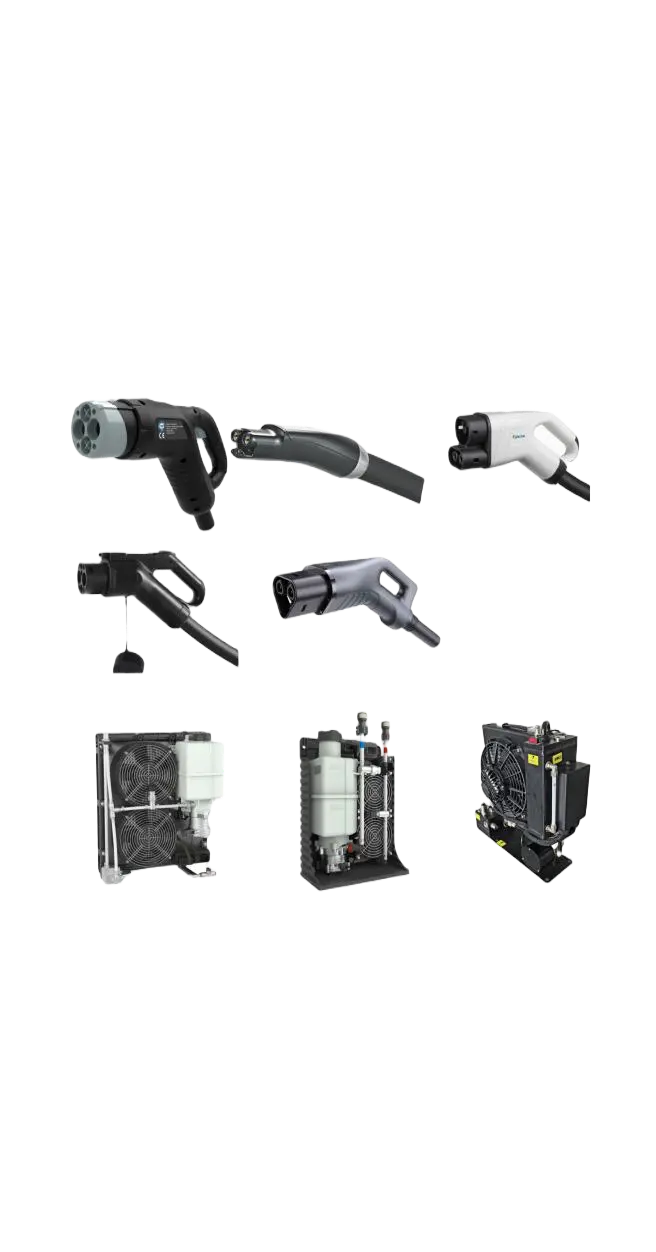
Mida Cable manufactures a comprehensive range of EV charging cables, including 16A–80A J1772 cables, 16A–63A IEC 62196-2 Type 2 cables, and DC fast charging cables: CCS1 (80A–500A), CCS2 (125A–1000A), CHAdeMO (125A–300A), GBT (200A–1000A), and NACS connectors (250A–600A).
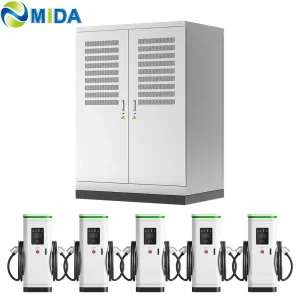
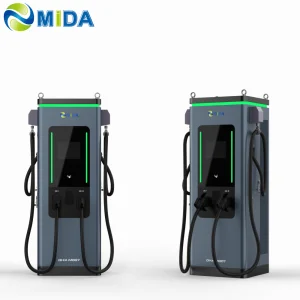
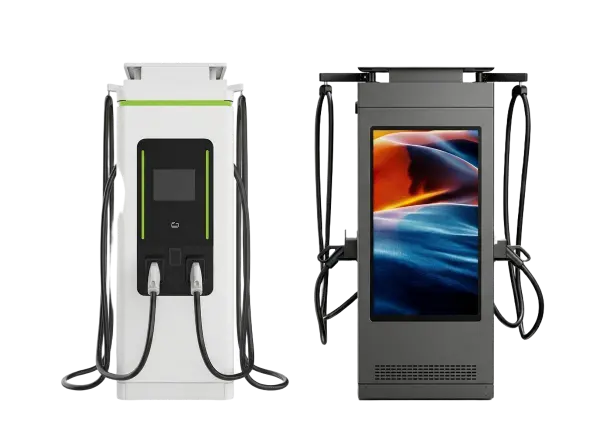
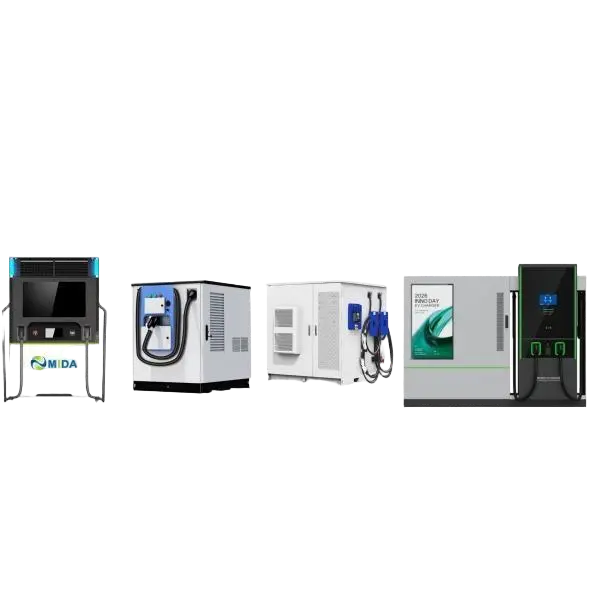
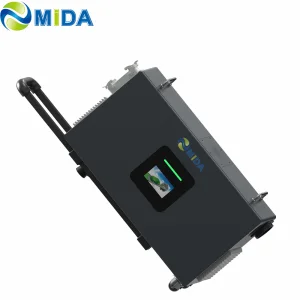
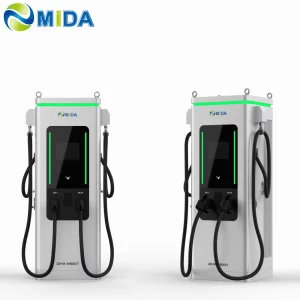
MIDA EV Power produces a full lineup of EV charging stations, such as 7kW–50kW mobile chargers, 3.6kW–7.2kW portable DC chargers, 360kW–1440kW split-type DC fast chargers, 20kW–50kW wall-mounted DC chargers, and 60kW–480kW floor-standing DC fast charging stations.
MIDA New Energy specializes in EV charger power modules, offering 20kW–60kW standard modules, 40kW–125kW liquid-cooled modules, 30kW–62.5kW bidirectional modules, and 20kW–45kW V2G charging modules.

Explore the complete MIDA product catalog designed to fulfill residential, commercial, and high-power industrial charging needs.
As smart charging grids evolve, the CHAdeMO protocol has adapted to provide critical ancillary services to electrical utility companies. Understanding the technical roadmap is crucial for long-term investments.
Unlike early CCS standard iterations, the CHAdeMO protocol native code has supported bi-directional power transfer since its early releases (CHAdeMO 1.1). A 50kW CHAdeMO station configured with V2G capability does not merely pull power; it acts as a decentralized virtual power plant (VPP). When utility rates spike during peak grid demands, local transport depots can discharge power back to the grid, transforming EV fleets into cash-generating battery farms.
To achieve compatibility across Chinese (GB/T) and international networks, the CHAdeMO Association, in partnership with the China Electricity Council, created the ChaoJi (CHAdeMO 3.0) standard. Capable of throughputs exceeding 900kW, ChaoJi ensures backward-compatibility with existing CHAdeMO installations. Investing in 50kW CHAdeMO stations equipped with multi-protocol controllers secures long-term asset viability during global standards transitions.
Depending on region-specific infrastructure demands and local vehicle fleets, the use cases for 50kW fast charging vary dramatically.
For operations utilizing medium-duty electric trucks and delivery vans, overnight AC slow charging may prove too sluggish, while 350kW systems are cost-prohibitive. A dual-port 50kW station (e.g. configuring both CHAdeMO and CCS options) allows delivery vehicles to achieve an 80% charge state in under an hour, optimizing driver shifts and route schedules.
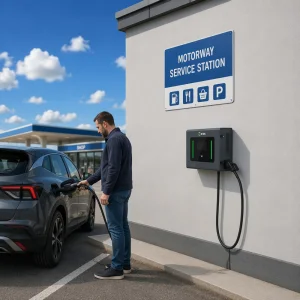
In locations where consumers spend 45 to 90 minutes (supermarkets, fitness facilities, municipal buildings), 50kW stations match charging durations with customer dwell times. This encourages store visits and maximizes station occupancy metrics without stressing local electrical panels.
Q1: Is CHAdeMO still relevant globally given the rise of CCS and NACS?
Absolutely. While NACS is expanding in North America and CCS2 dominates Europe, over one million legacy vehicles worldwide (such as the Nissan Leaf and Mitsubishi Outlander PHEV) rely exclusively on CHAdeMO ports. In many jurisdictions, public funding guidelines mandate the presence of at least one CHAdeMO plug at all publicly funded DC stations. Furthermore, Japan's robust infrastructure remains fully standardized on CHAdeMO.
Q2: Can a 50kW CHAdeMO charger be converted to support NACS or CCS?
Yes. Modern chargers utilize configurable power module architectures and standard industrial controllers. By exchanging the output cable assembly and updating the controller's communication stack, a 50kW CHAdeMO unit can be repurposed or fitted as a dual-protocol system (e.g., CHAdeMO + NACS or CHAdeMO + CCS1/2) to maximize compatibility.
Q3: What electrical grid inputs are necessary for a 50kW DC fast charger?
A standard 50kW station requires a three-phase AC connection, typically 380V, 400V, or 480V, with a nominal current draw of approximately 75A to 90A per phase. This power class operates cleanly on standard commercial distribution boards without requiring specialized transformer hardware.
Q4: How does OCPP 1.6J or 2.0.1 compliance affect 50kW charger operations?
Open Charge Point Protocol (OCPP) compatibility allows charge point operators to interface with third-party billing engines, manage dynamic load balancing (DLB), coordinate peak charging blocks, and push remote firmware updates. Multi-port 50kW units from quality manufacturers include standard RJ45 and 4G cellular links to connect to any preferred backend.