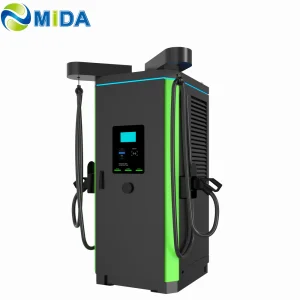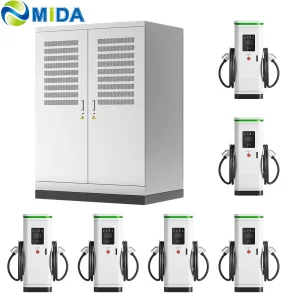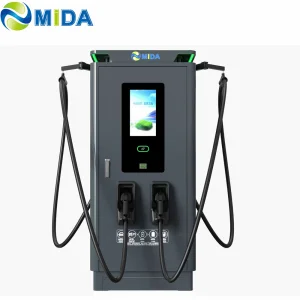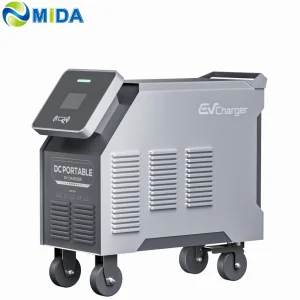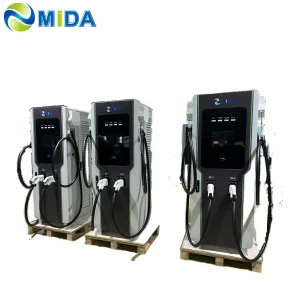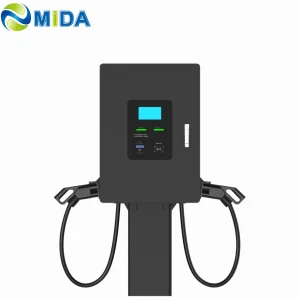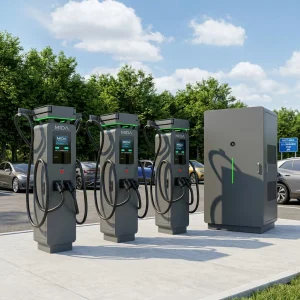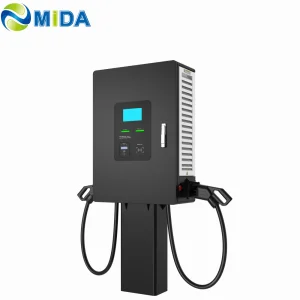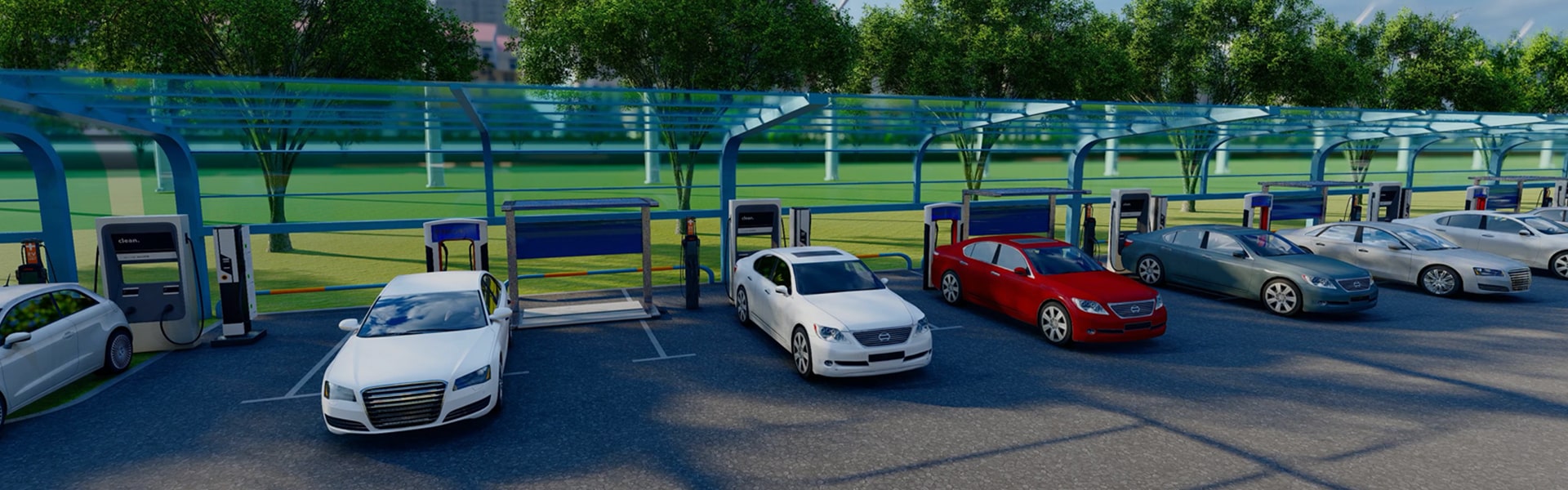
Discover our commercial-grade chargers designed for maximum uptime and compatibility.
A detailed engineering look at the sweet spot of grid configuration, charging speed, and deployment economics.
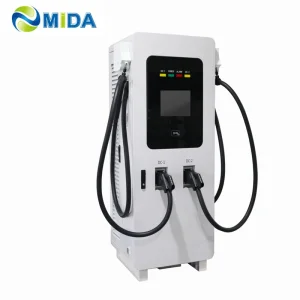
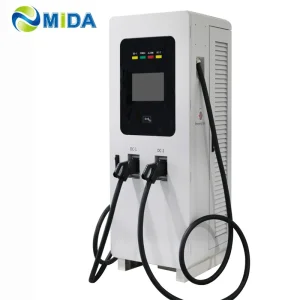
In the global layout of electric vehicle supply equipment (EVSE), the 60kW DC fast charger represents an engineering equilibrium. While ultra-fast charging systems (150kW to 360kW+) require significant capital expenditure, medium-voltage grid upgrades, and complex civil works, the 60kW system is designed to leverage existing standard commercial three-phase connections (400V in the EU/APAC, 480V in North America) without triggering high-capacity grid expansion penalties.
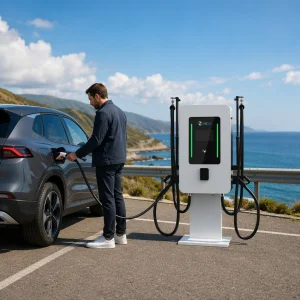
For fleet operators and commercial locations, a 60kW station delivers up to 100 km of range in under 15-20 minutes depending on battery curves. This configuration represents the lowest cost-per-kilowatt-delivered index, ensuring rapid return on investment (ROI) for enterprise clients.
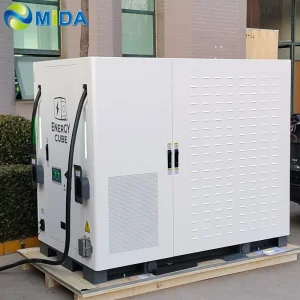
Standardized configurations utilizing multiple high-efficiency power modules (e.g., 2 x 30kW or 3 x 20kW) guarantee system redundancy and simplified hot-swapping.
Full backward compatibility and split-charging capability for CCS1, CCS2, CHAdeMO, GB/T, and emerging NACS specifications.

Analyzing key market requirements, localized specifications, and industrial deployment profiles.
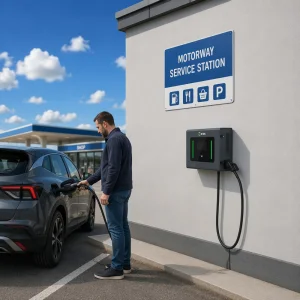
For retail shopping destinations, corporate offices, and urban parking zones, the dwell time typically averages between 45 to 90 minutes. 60kW DC charging aligns with this user journey, replenishing 80% of passenger vehicle batteries during a typical visit, preventing the need for grid-overloading ultra-fast stations.
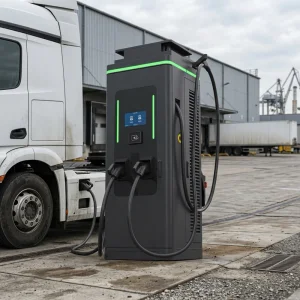
Logistics fleets using medium-duty electric vans require fast turnaround times to maximize asset utility. 60kW chargers provide the necessary throughput for back-to-base operations, keeping vehicle down-time low and ensuring delivery cycles remain uninterrupted throughout shifting schedules.
Integrated with intelligent public transit operations and curbside networks, 60kW stations offer optimized power distribution. Advanced software-defined controls match grid capacity with high-demand schedules, enabling smart load balancing on municipal microgrids.
Shanghai Mida Cable Group Ltd. operates a vertically integrated production line spanning cables, connectors, power modules, and complete charging stations.
Shanghai Mida Cable Group Ltd. operates through its wholly owned subsidiaries: Shanghai Mida EV Power Co., Ltd., Shenzhen Mida EV Power Co., Ltd., and Shanghai Mida New Energy Co., Ltd. This integration across critical components—from charging cables to power modules—enables a level of quality control and custom manufacturing that few standalone assembly plants can match.
Manufactures a comprehensive range of EV charging cables, including 16A–80A J1772 cables, 16A–63A IEC 62196-2 Type 2 cables, and DC fast charging cables: CCS1 (80A–500A), CCS2 (125A–1000A), CHAdeMO (125A–300A), GBT (200A–1000A), and NACS connectors (250A–600A).
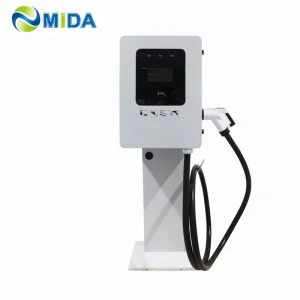
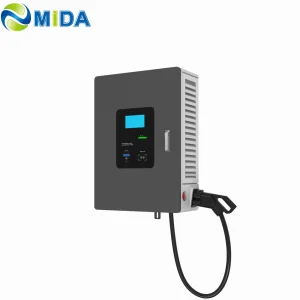
Produces a full lineup of EV charging stations, such as 7kW–50kW mobile chargers, 3.6kW–7.2kW portable DC chargers, 360kW–1440kW split-type DC fast chargers, 20kW–50kW wall-mounted DC chargers, and 60kW–480kW floor-standing DC fast charging stations.
Specializes in EV charger power modules, offering 20kW–60kW standard modules, 40kW–125kW liquid-cooled modules, 30kW–62.5kW bidirectional modules, and 20kW–45kW V2G charging modules.
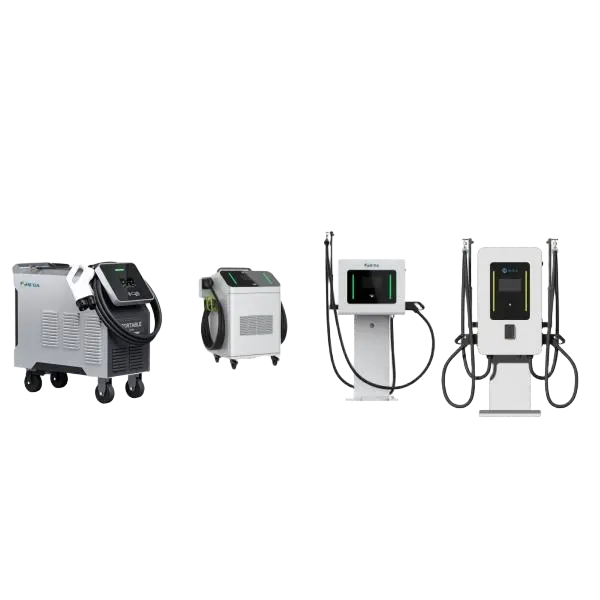
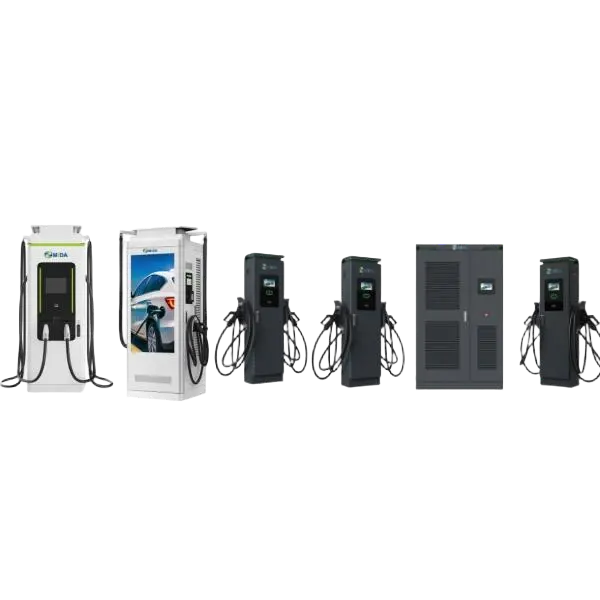
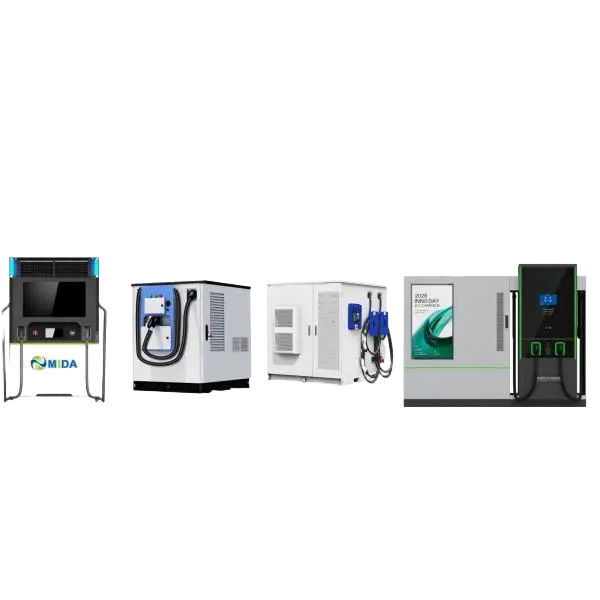
Browse through MIDA's high-tech, commercial-grade sub-assemblies and integrated chargers.
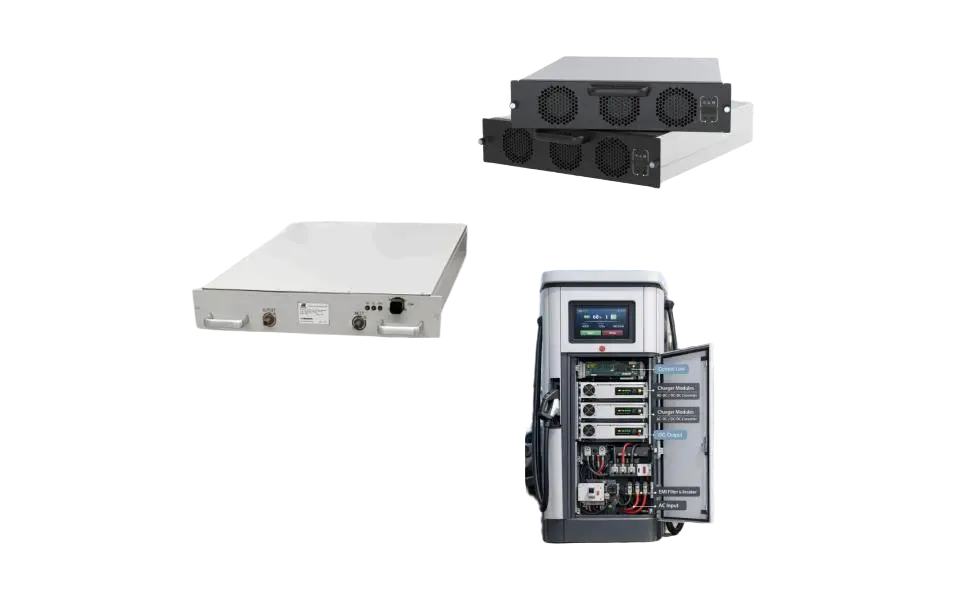
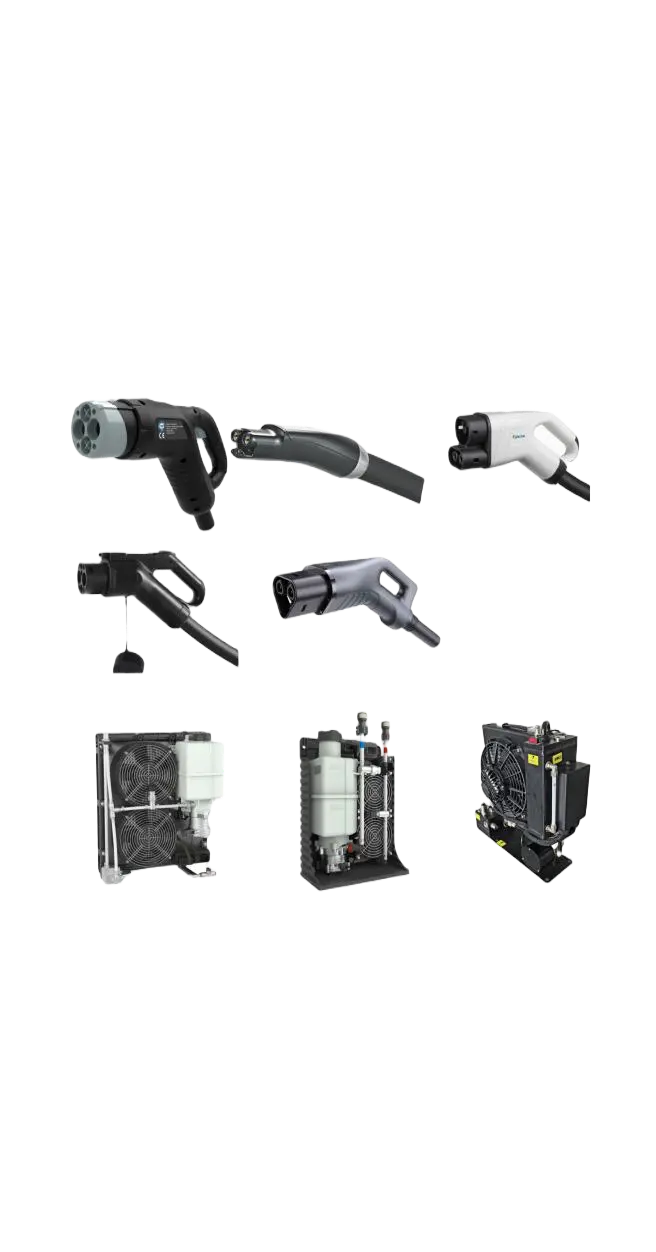
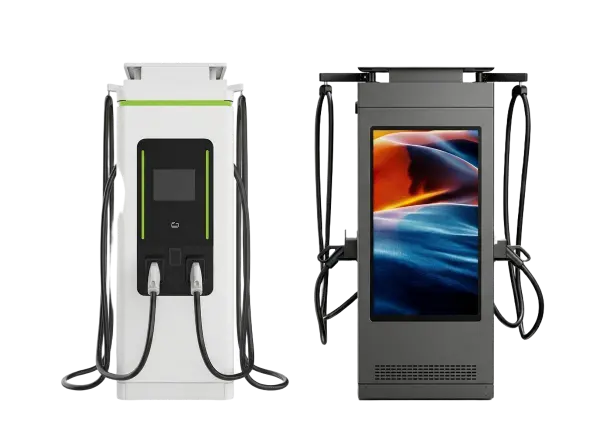
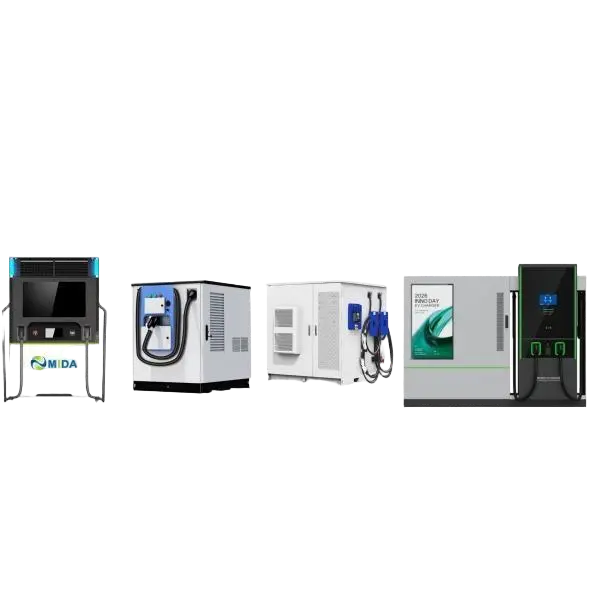
Understanding the strict guidelines governing modern commercial charging systems.
Deploying public or semi-public chargers within Europe requires compliance with Eichrecht (German calibration law) and MID (Measuring Instruments Directive) standards. These regulations guarantee that users are billed precisely for the exact energy delivered to the battery, preventing system overhead transmission loss billing. Mida Group incorporates PTB-certified MID meters and secure cryptographic modules to ensure transactions remain fully secure, verifiable, and transparent.
Additionally, support for ISO 15118 (Plug & Charge) represents the peak of modern EV charging convenience. In this system, encryption protocols automatically communicate with the vehicle's onboard telematics unit, authorizing the session as soon as the cable connects, bypassing RFIDs or mobile apps.
Our intelligent algorithms dynamically adjust maximum power draws dynamically across multiple charging points, mitigating grid overload risks during peak periods.
Full support for Open Charge Point Protocol makes remote management, diagnostic updates, and billing integrations across different CPO platforms smooth and secure.
Structural chassis protection ensures uninterrupted operations in extreme environments, surviving harsh dust storms and sub-zero freeze cycles.
Next-generation SiC switching devices reduce power loss, enhance thermal dissipation profiles, and maintain a high power factor across charging runs.
Stay updated on the latest transit electrification technologies, including high-power overhead charging solutions.

In contrast to classic plug-in charging systems, e-bus pantograph systems allow automated overhead connection, facilitating high-power transit charging at terminal stops without manual drivers handling high-voltage cables.
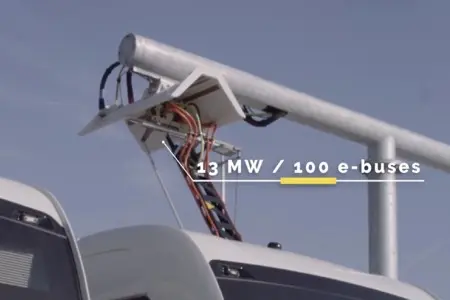
The charging time depends on the battery capacity and the operating voltage of the network. High-power opportunity charging pantographs can supply up to 600kW, replenishing standard bus fleets in 5-10 minutes.
Installing a "Pantograph Up" system dome requires precise engineering alignment, local structural anchor reinforcements, and strict electrical safety clearances to safely interface with heavy-duty commercial transits.
Detailed technical answers addressing hardware design, efficiency benchmarks, and international standards.
Enterprise and commercial options designed for versatile layout setups.