
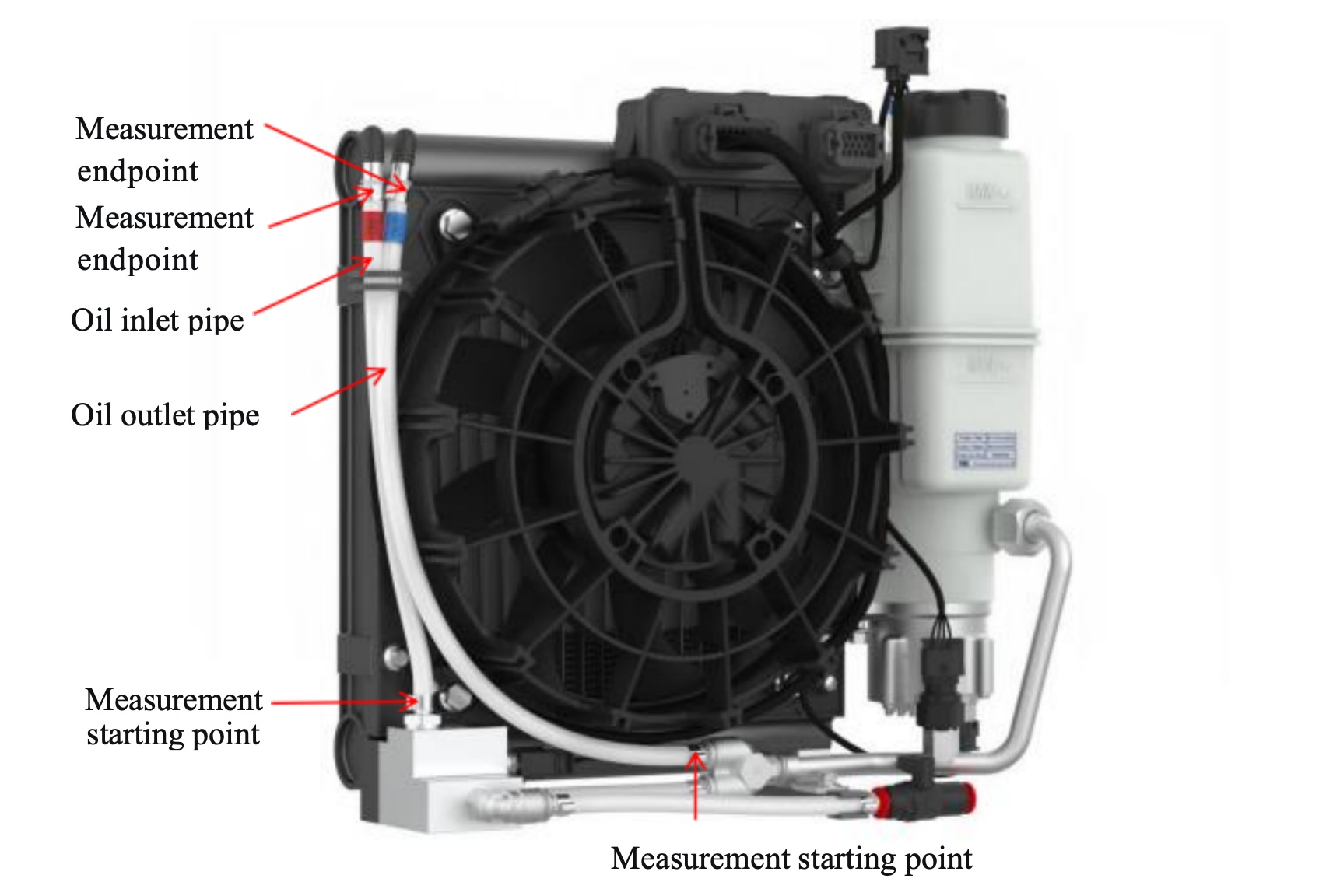
China 500A 600A CCS 2 GBT Charging Cable Liquid Cooling System for EV Charger Station Manufacturers, Factory

500A 600A CCS 2 GBT Dual Gun Liquid Cooling System for DC EV Charging Station, with variable-speed fan, with variable-speed pump, for cooling the cooling liquid of a Phoenix Contact HPC DC charging cable, CCS type 1, CCS type 2 EV Liquid Cooling System, Electric vehicle cooling system, Liquid Cooling For Electric Vehicles ,EV Battery Cooling System ,Liquid cooling modules,HPC Liquid Cooling System.

Product Description

📊 Parameters of HPC Cooling Module Liquid Cooling System
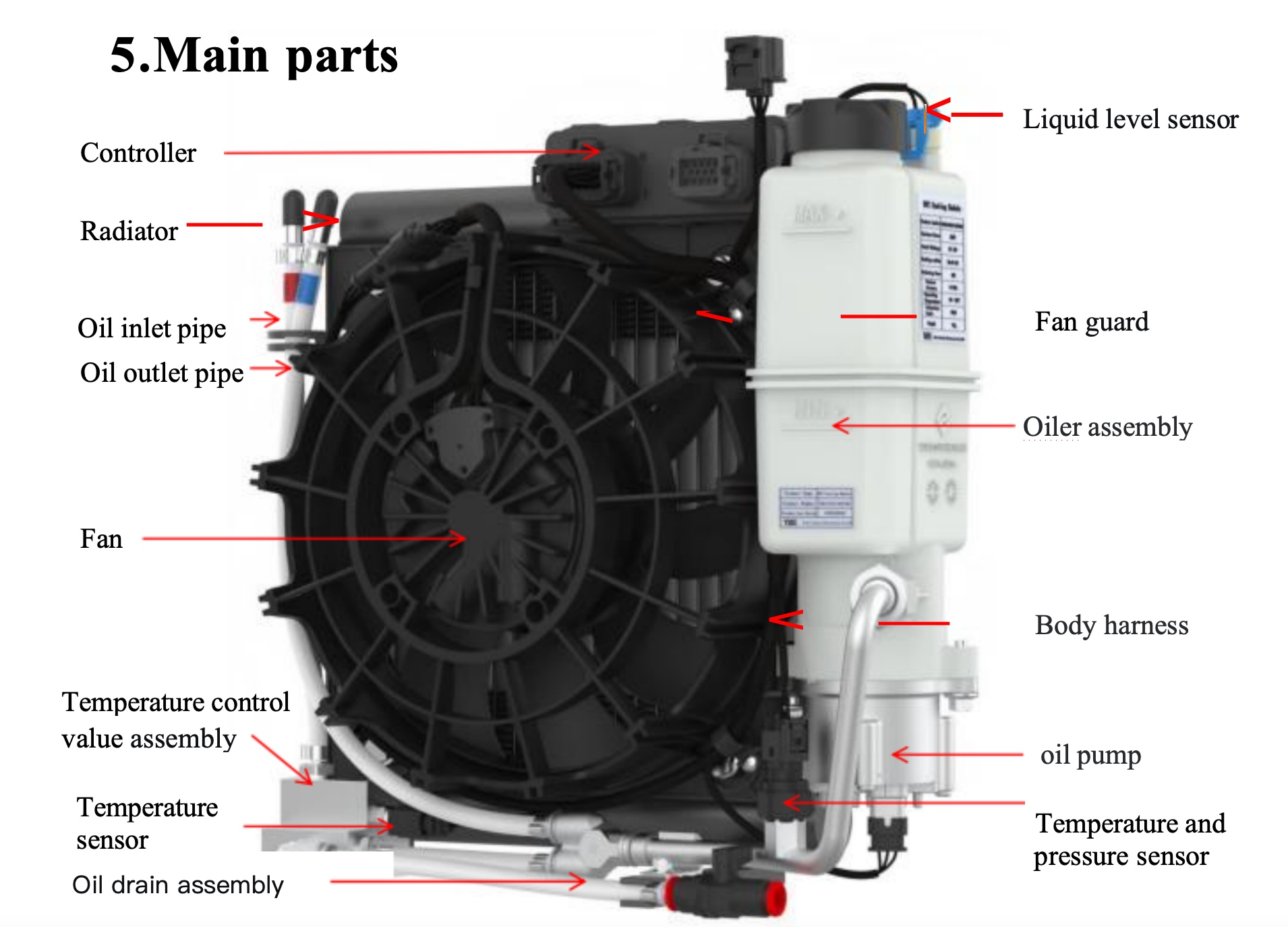
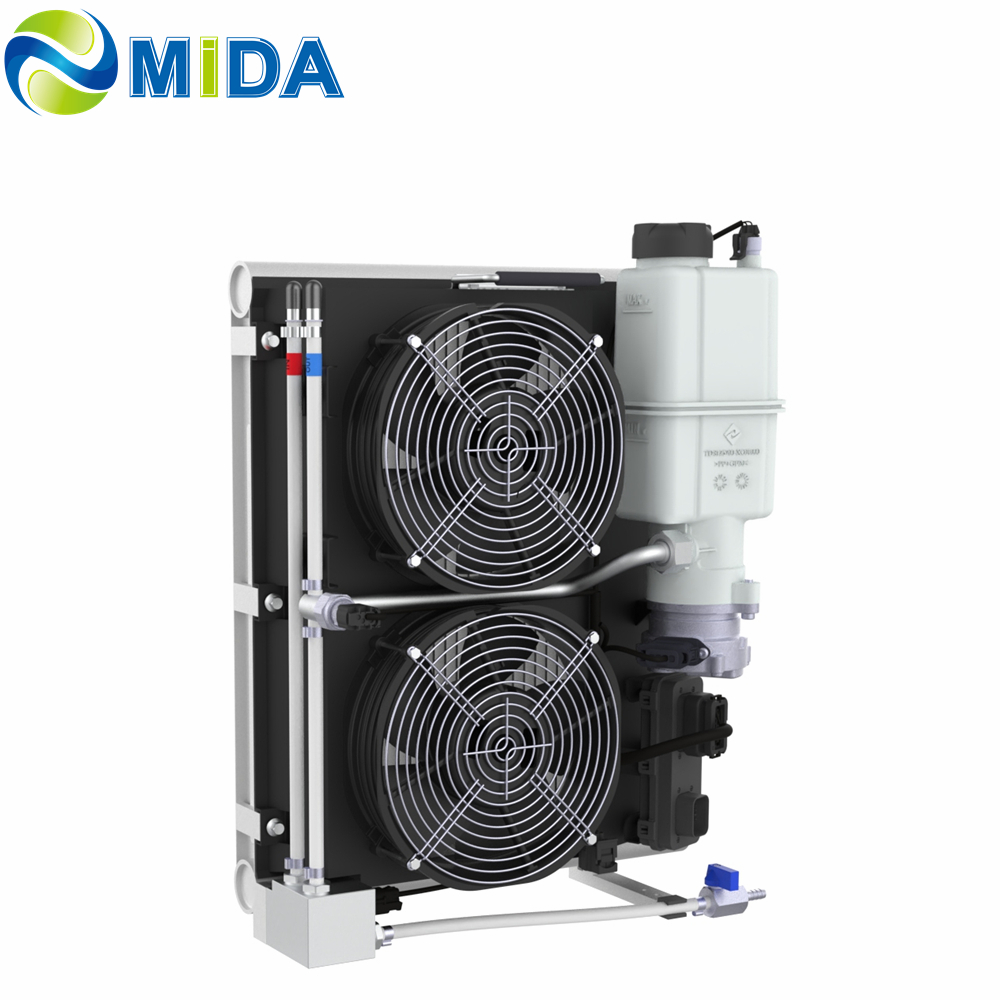
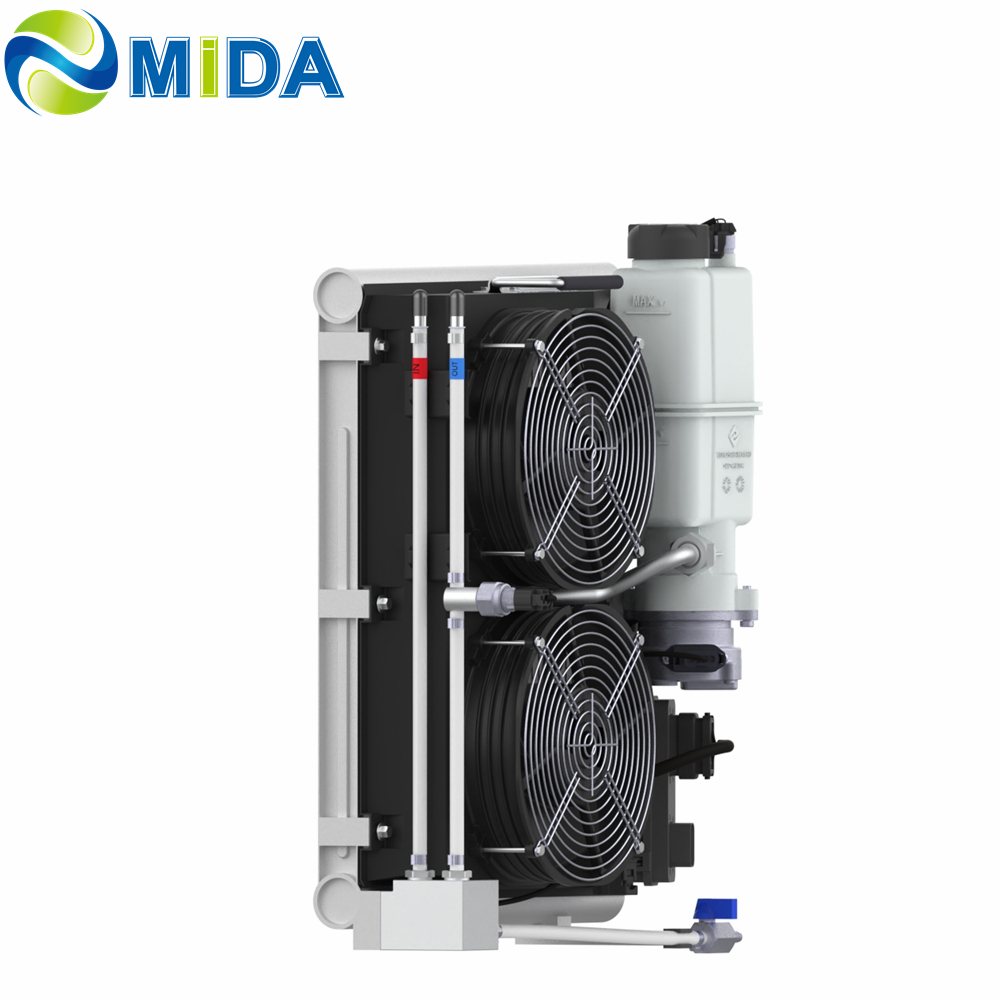
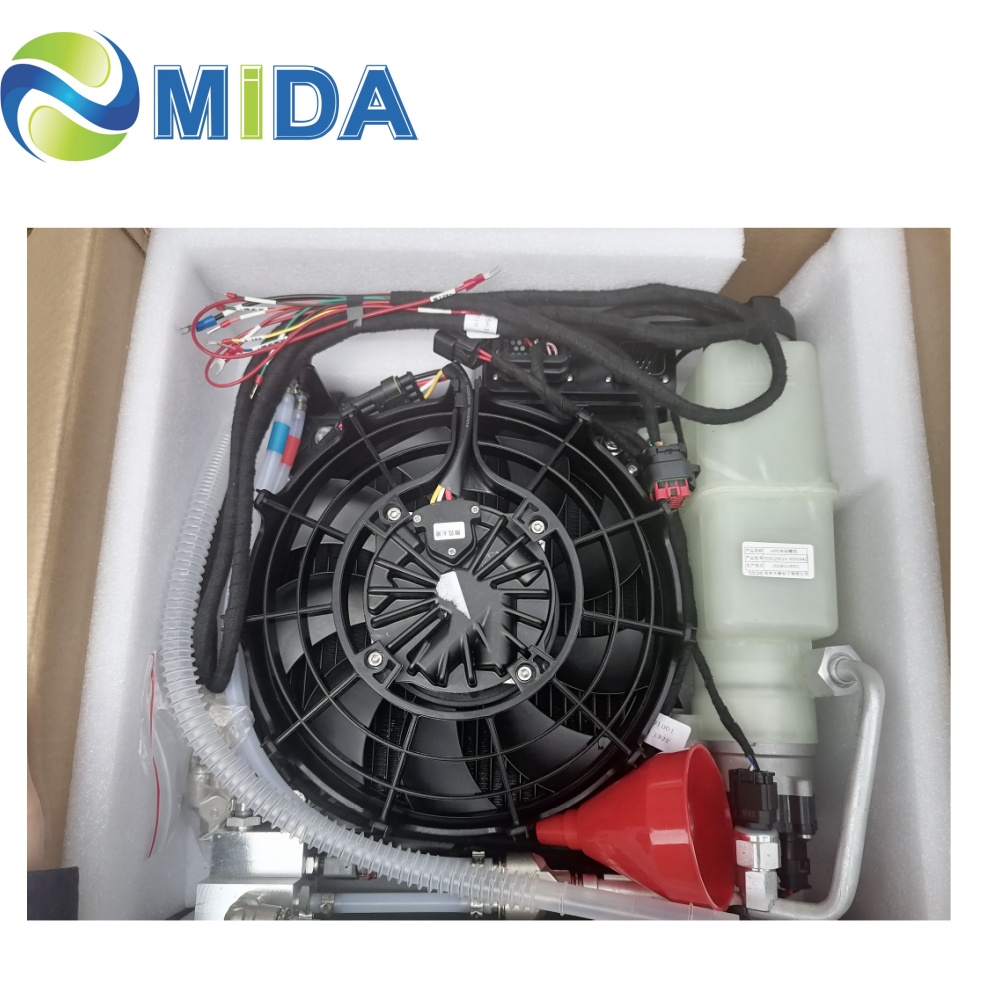
The EV-HPC-PCU-01 Cooling Unit HPC cooling module is used for intelligent high-power charging (HPC) technology. The radiating power is 3KW, and the charging current can reach 500-800A (at an ambient temperature of 50°C), ensuring the safe and stable operation of high-power charging gun lines. The core technology provides coolant at appropriate temperatures and flow rates to ensure temperature rise does not exceed 50K (ΔTmax = 50K) during charging.
Liquid-Cooling System for EV Charging
HPC Cooling Module
ModelEV-HPC-PCU-01 Cooling Unit Liquid Cooling System
Radiating power3000W @ 4L/min, 700m³/h
Rated Current500A ~ 800A
Rated Voltage12V/DC
Noise≤60dB(A)
Maximum Pressure0.7MPa
Flow medium4L/min @ 450Kpa
Communication ModeMODBUS Based 485
Ambient temperature-30℃ ~ 50℃
Degree of ProtectionIP68
Lifetime25000h
Volume of oil can1.5L
Cooling MediumDimethyl silicone oil
Dimensions435 × 155 × 410mm
📸 Product Introduction & Visuals
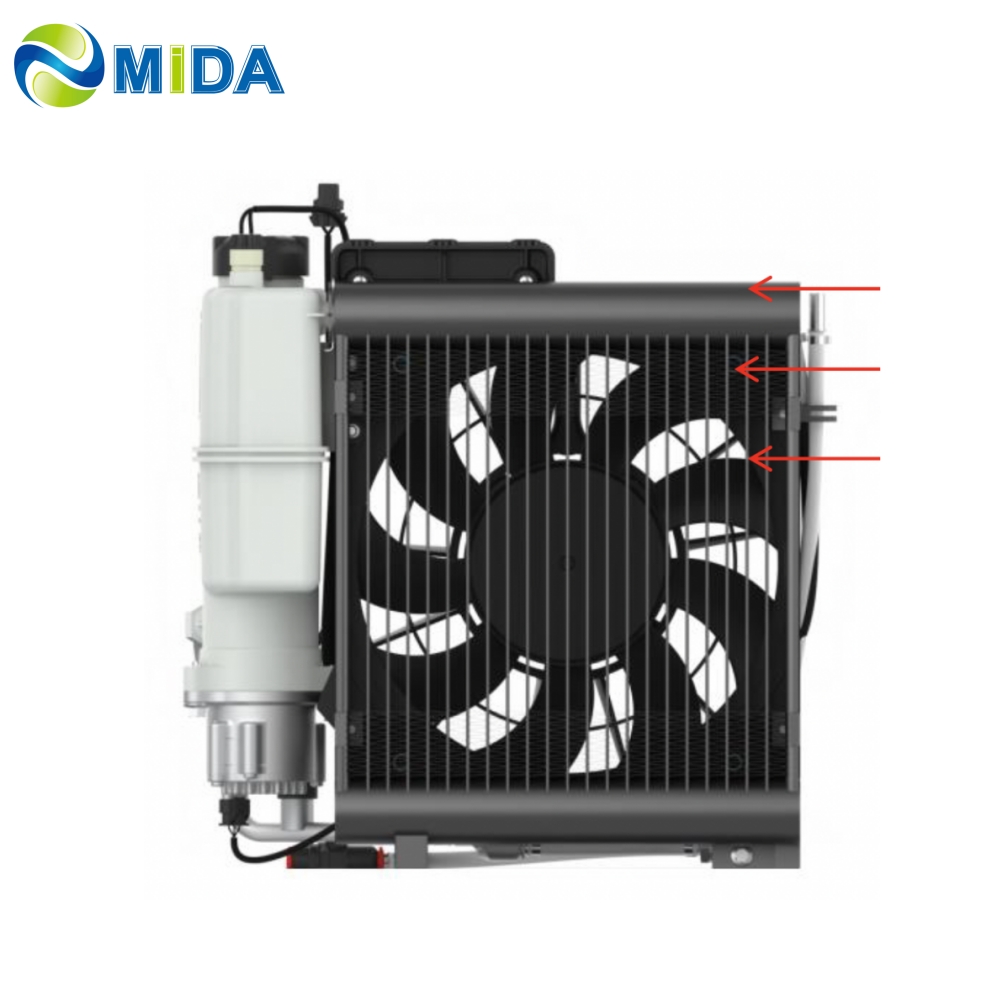
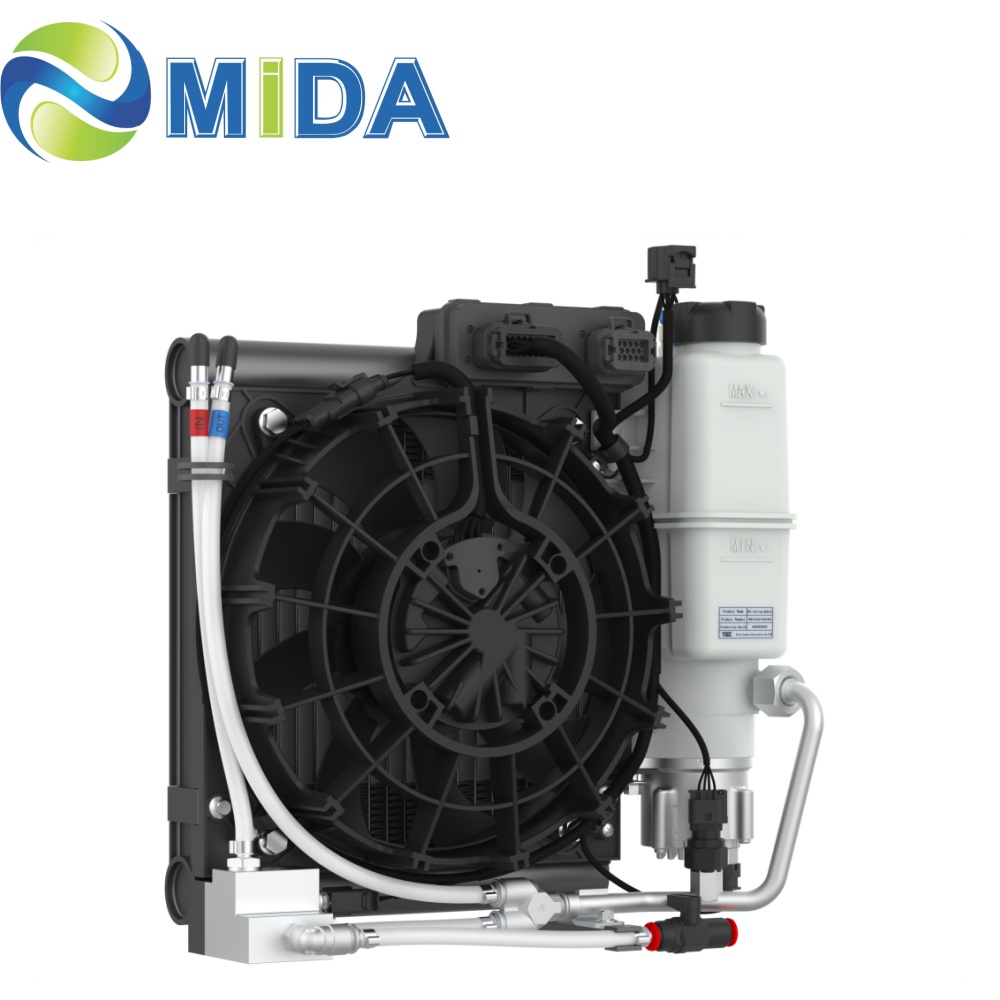
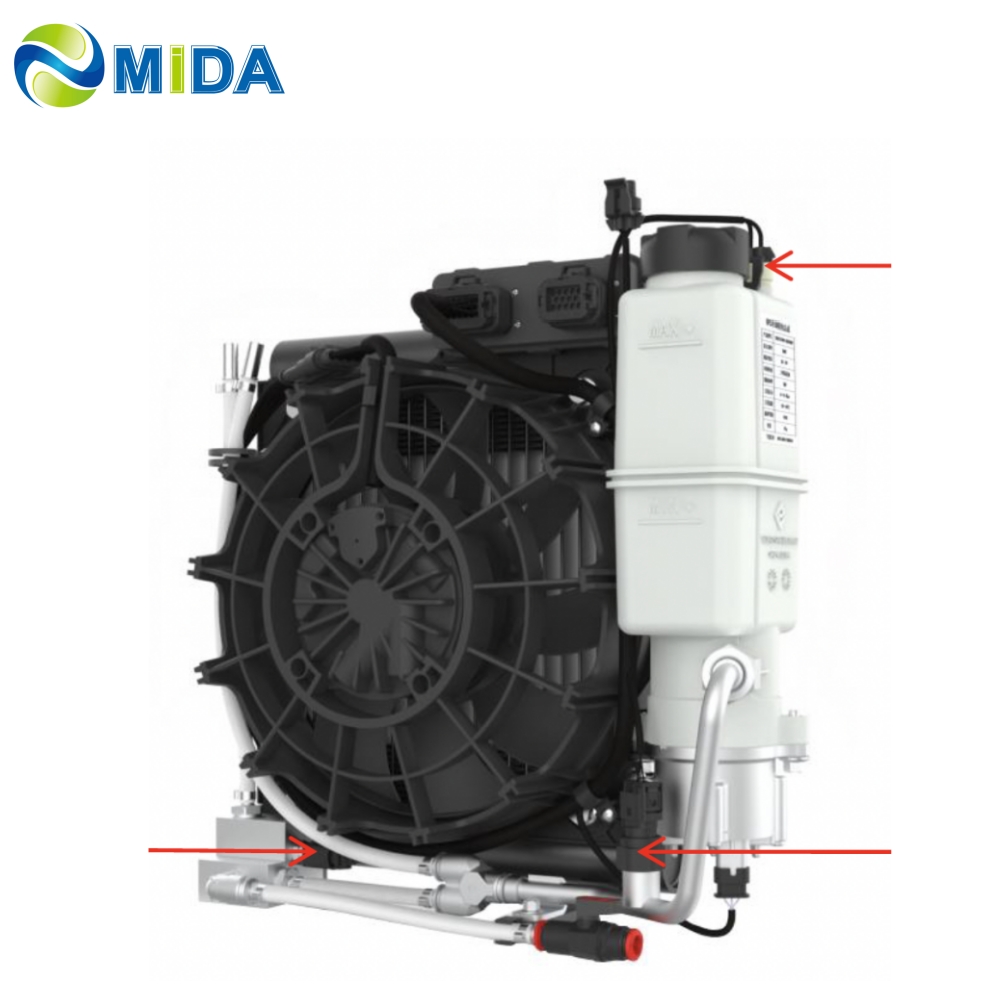
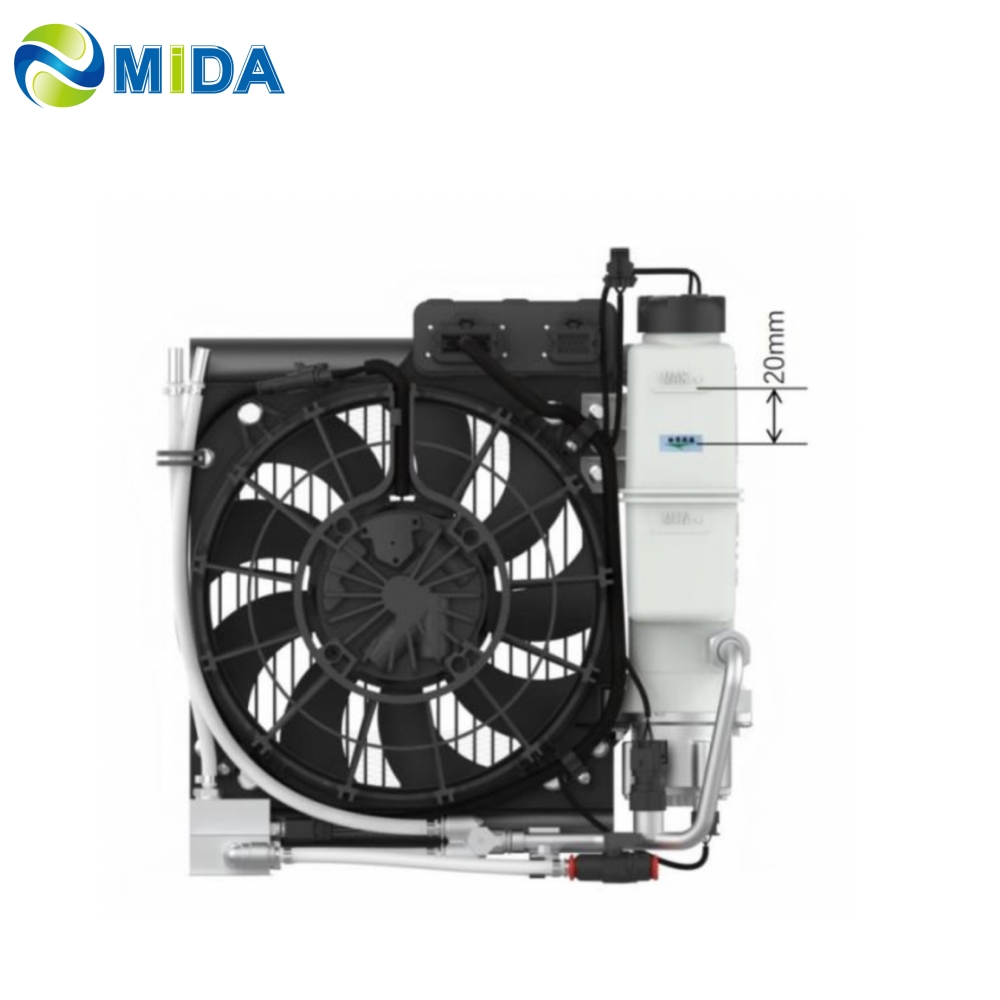
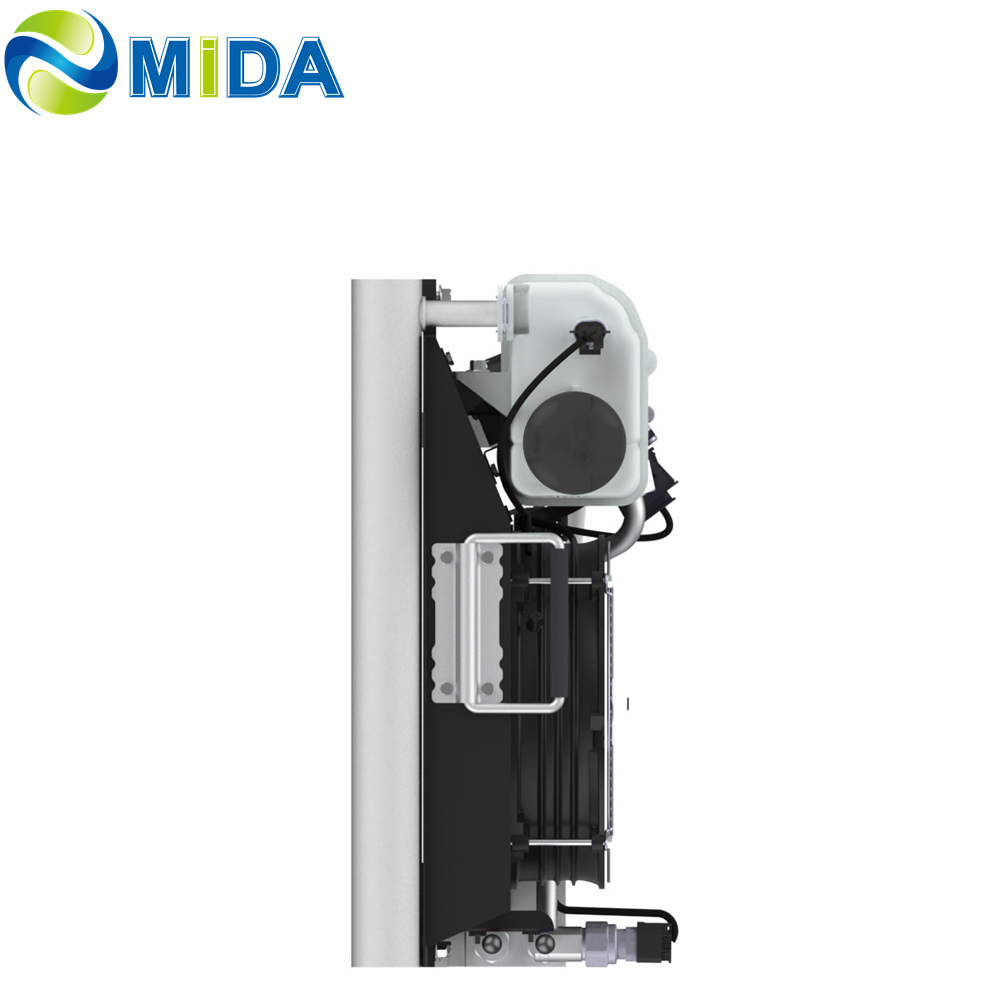
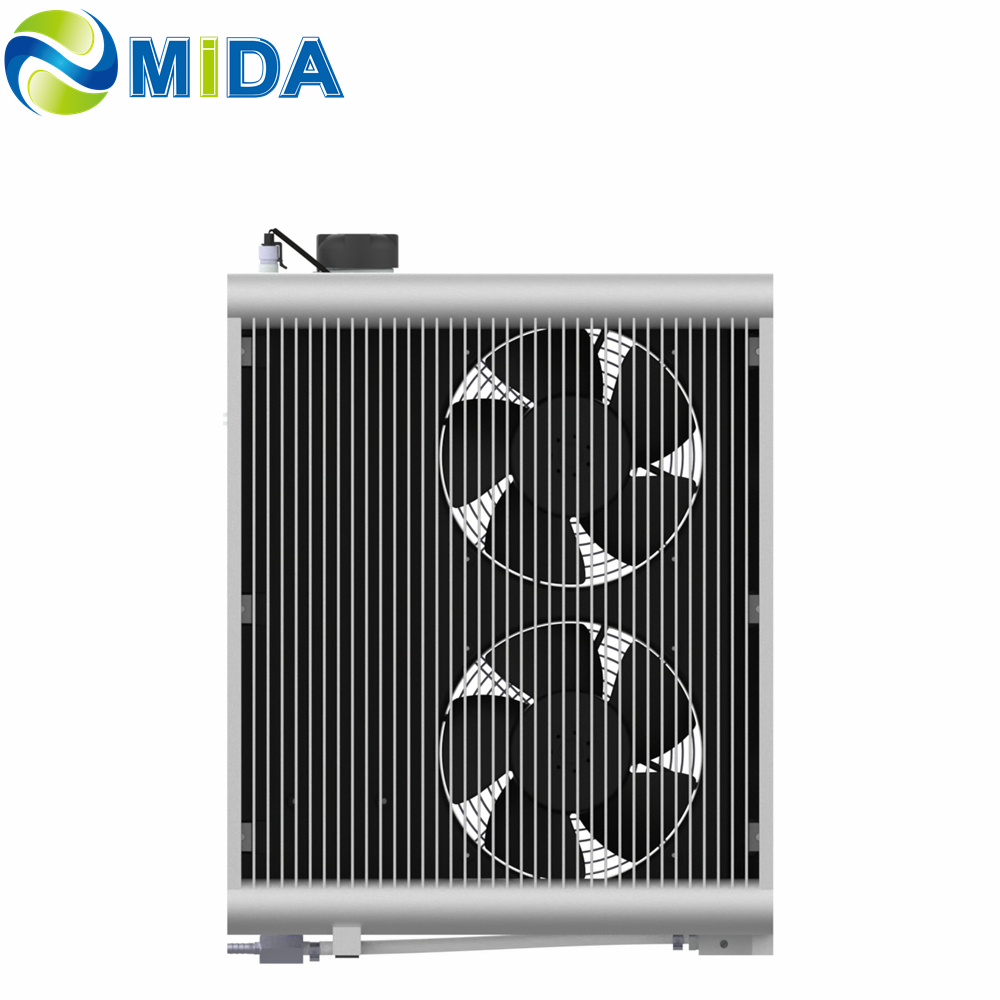
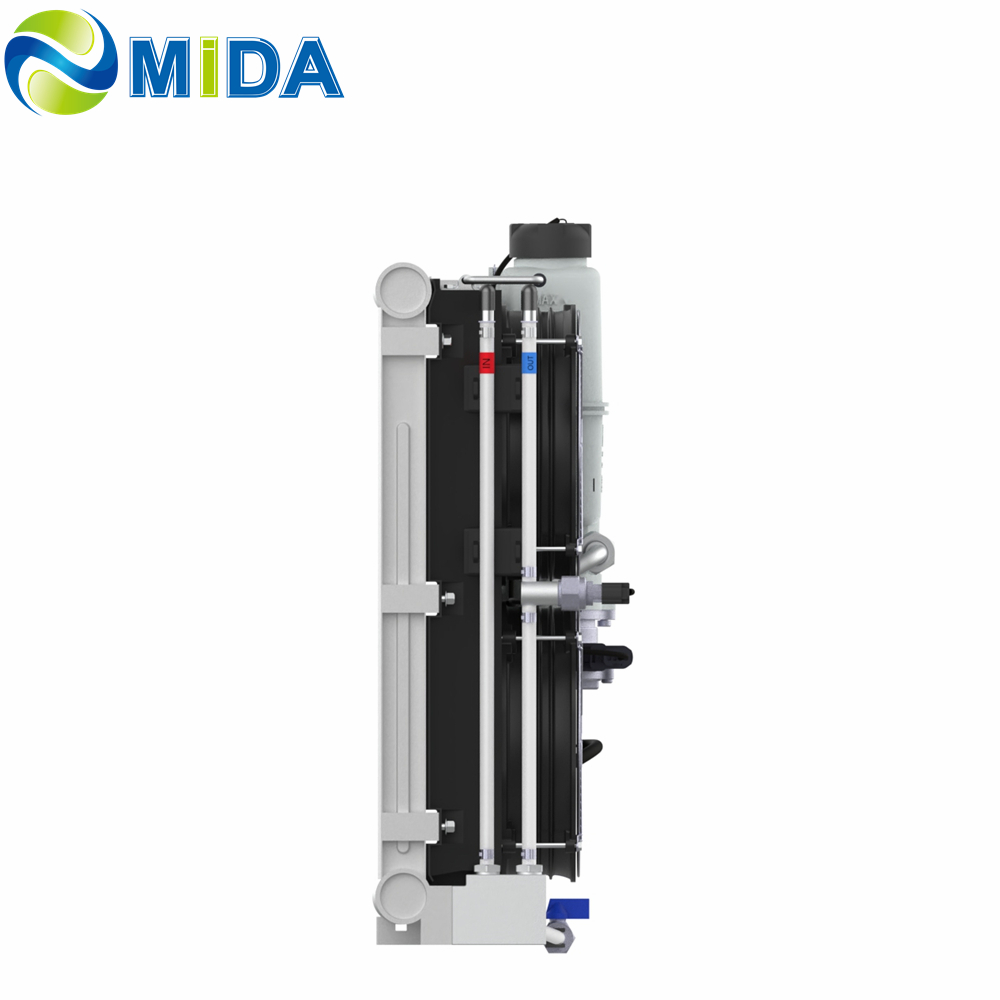
Below are the product pictures for the CCS 2 GB/T Gun EV Unit Liquid Cooling System.
Features Of CHAdeMO Plug & Cooling Unit
  • Radiating power: 3000W @ 4L/min, 700m³/h
  • Charging Current: 500-800A support
  • Rated Voltage: 12V/DC low voltage control
  • Operating Temperature Range: -30℃ to 50℃
  • Protection Rating: IP68 for extreme environments
  • Noise Level: Silent operation ≤60dB(A)
  • Cooling Medium: High-efficiency dimethyl silicone oil
  • Integration: Supports CCS 2, GB/T, and CHAdeMO liquid-cooled systems
🔧 How to Use & Connection Guide
Connecting a Liquid-Cooled CCS2 Charging Cable:

Liquid-cooled charging cables feature both a power connector and a separate liquid connector for the cooling circuit. These connectors are designed to be drip-proof for safer maintenance.

Step-by-Step Connection:

  1. Connecting the Cooling Line: Locate the liquid-cooling connectors on the charging station's cable and the vehicle's port. Push them together until they click or lock into place.
  2. Connecting the Power Cable: Once the cooling line is established, connect the CCS2 main power plug to the vehicle's charging port.
  3. Starting Charging: The system automatically detects the active cooling circuit and power connection before initiating the high-power flow.
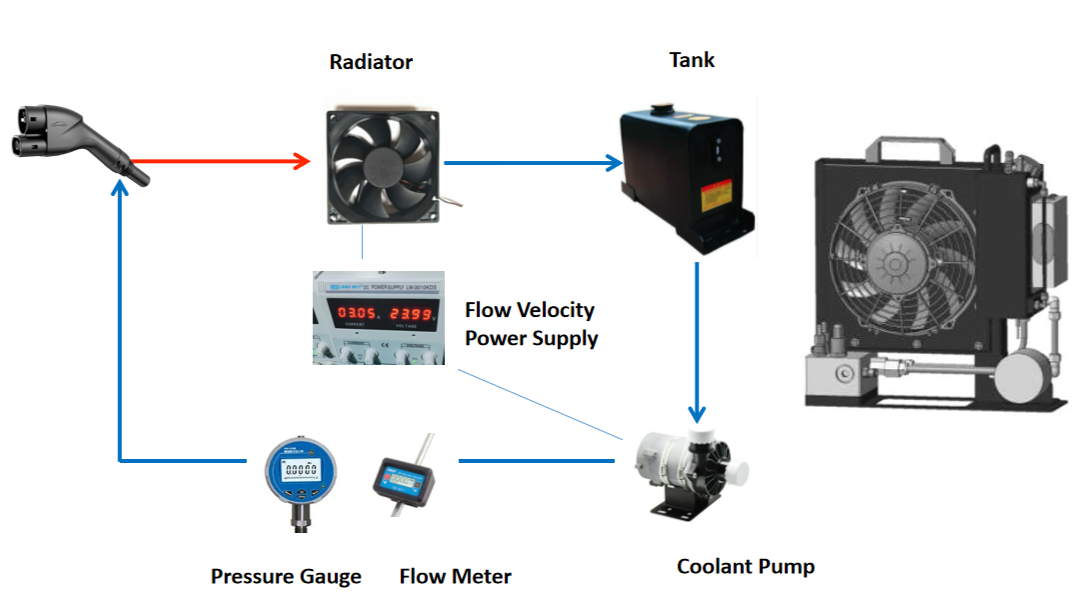
How Liquid Cooling Works:

A coolant (typically a water and glycol mixture or silicone oil) circulates through channels in the cable and connector, absorbing heat directly where it is generated. The heated liquid then returns to the cooling unit within the station to dissipate heat before recirculating.

System Advantages: This technology enables power levels up to 800kW, prevents overheating, and allows for thinner, lighter, and more ergonomic cables.
Frequently Asked Questions
What is the maximum charging current supported by this cooling unit?
The system supports high-power charging (HPC) with a current ranging from 500A to 800A.
What is the radiating power of the EV-HPC-PCU-01?
The unit provides a radiating power of 3000W at a flow rate of 4L/min.
Can this unit operate in extreme weather conditions?
Yes, it is designed to operate in ambient temperatures ranging from -30℃ to 50℃ and carries an IP68 protection rating.
What type of cooling medium is used in this system?
The system utilizes dimethyl silicone oil as the primary cooling medium.
Why is liquid cooling necessary for CCS2 charging?
Liquid cooling prevents the charging cable from overheating at high power levels (up to 800kW), which allows for faster charging speeds and lighter cable designs.
What is the expected lifetime of the cooling module?
The module is designed for a service life of approximately 25,000 hours.

Related Products