What types of EV charging connectors are available?
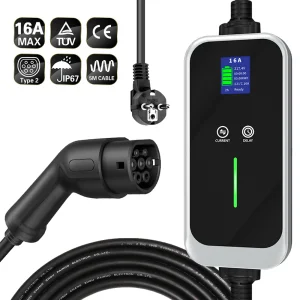
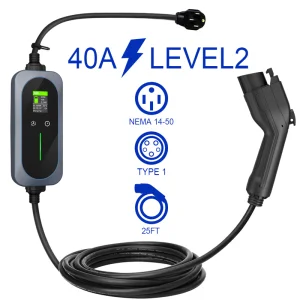
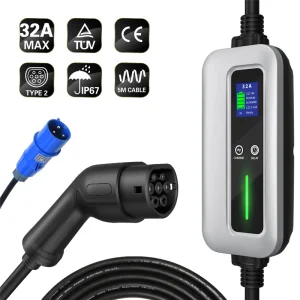
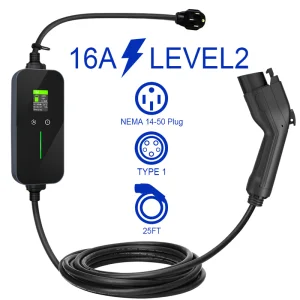
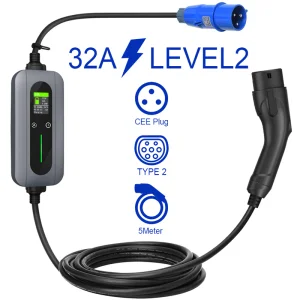
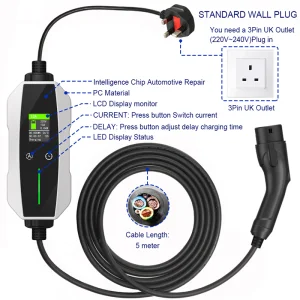
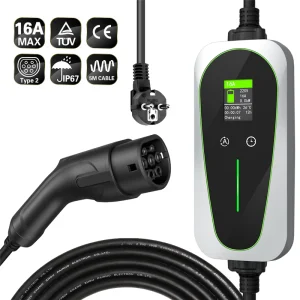
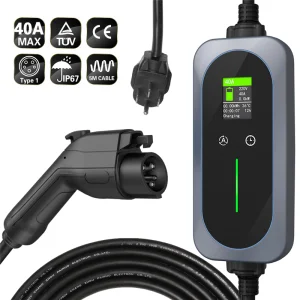
The most common connectors include Type 1 (J1772), Type 2 (Mennekes), CCS1, CCS2, and CHAdeMO, depending on your region and vehicle manufacturer.
How long does it typically take to fully charge an electric vehicle?
Charging time depends on the battery capacity and charger output. A Level 2 home charger typically takes 4-8 hours, while DC fast chargers can reach 80% in 30-60 minutes.
Can I install a fast charger at my residential property?
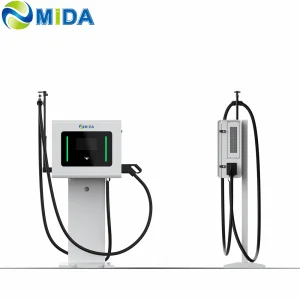
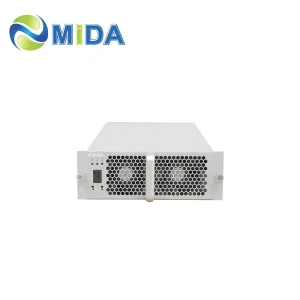
Most homes support Level 2 (AC) fast charging. True DC fast chargers usually require industrial-grade power infrastructure not typically found in standard residential areas.
Are these charging components weather-resistant for outdoor use?
Yes, high-quality EV charging equipment is designed with IP (Ingress Protection) ratings such as IP54 or IP65, making them safe for use in rain, snow, and dusty conditions.
What safety certifications should I look for in EV charging products?
Look for international standards such as CE, TUV, UL, and RoHS compliance to ensure the equipment meets rigorous electrical safety and environmental requirements.
Is it safe to leave my EV plugged in after it reaches 100% charge?
Modern EVs and smart chargers have integrated battery management systems that automatically stop the power flow once the battery is full to prevent overcharging.