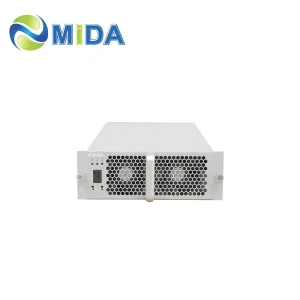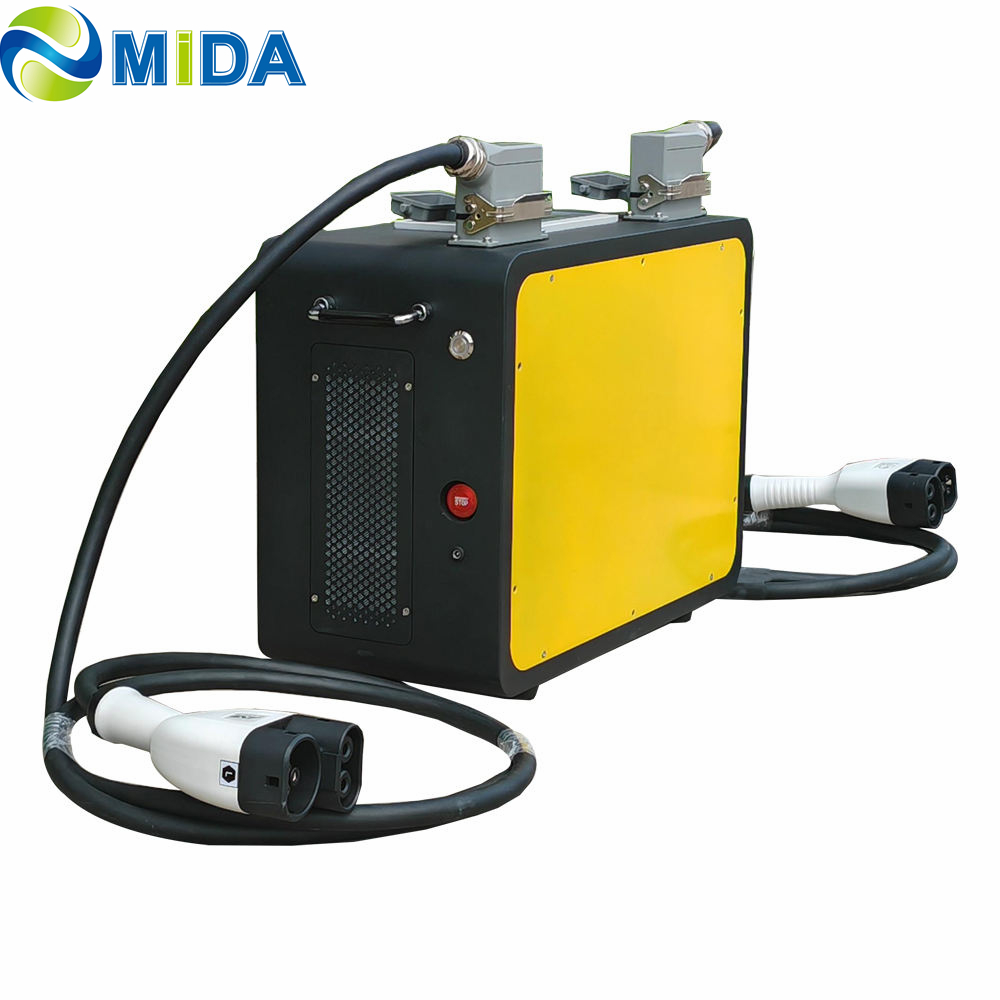
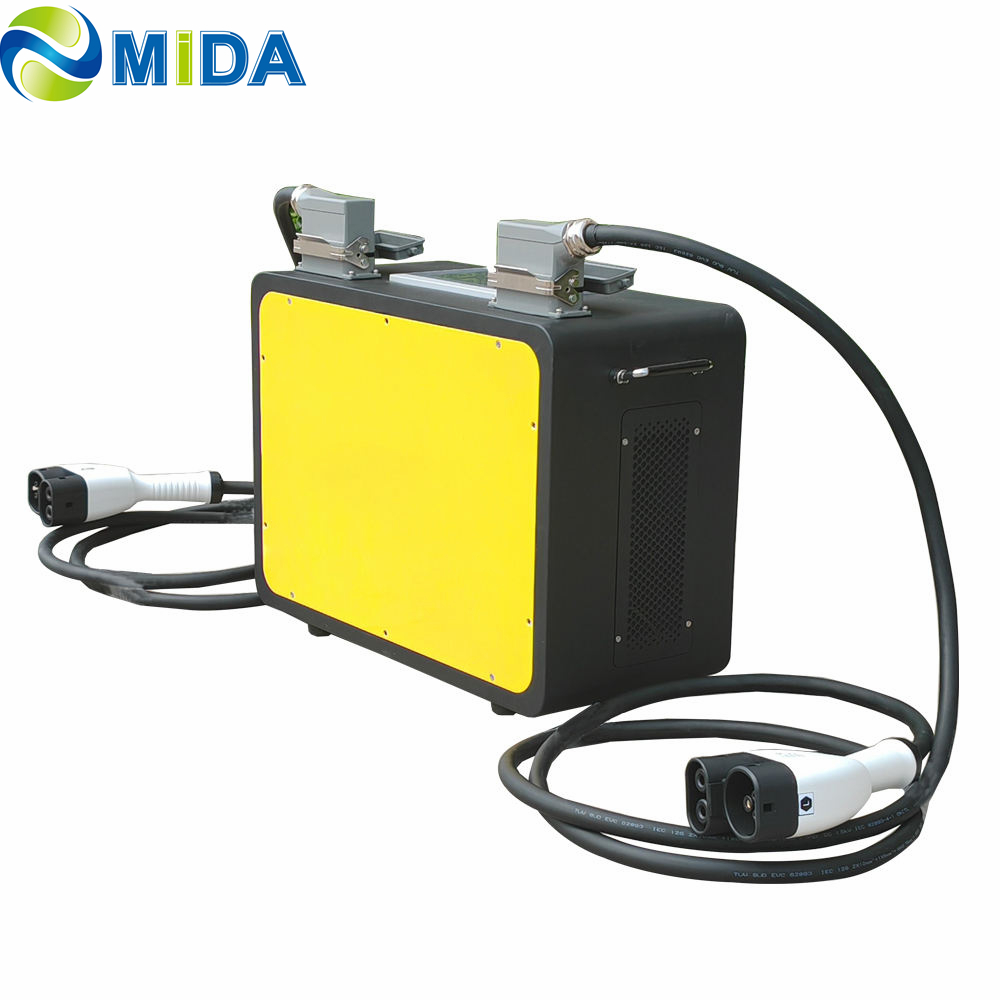
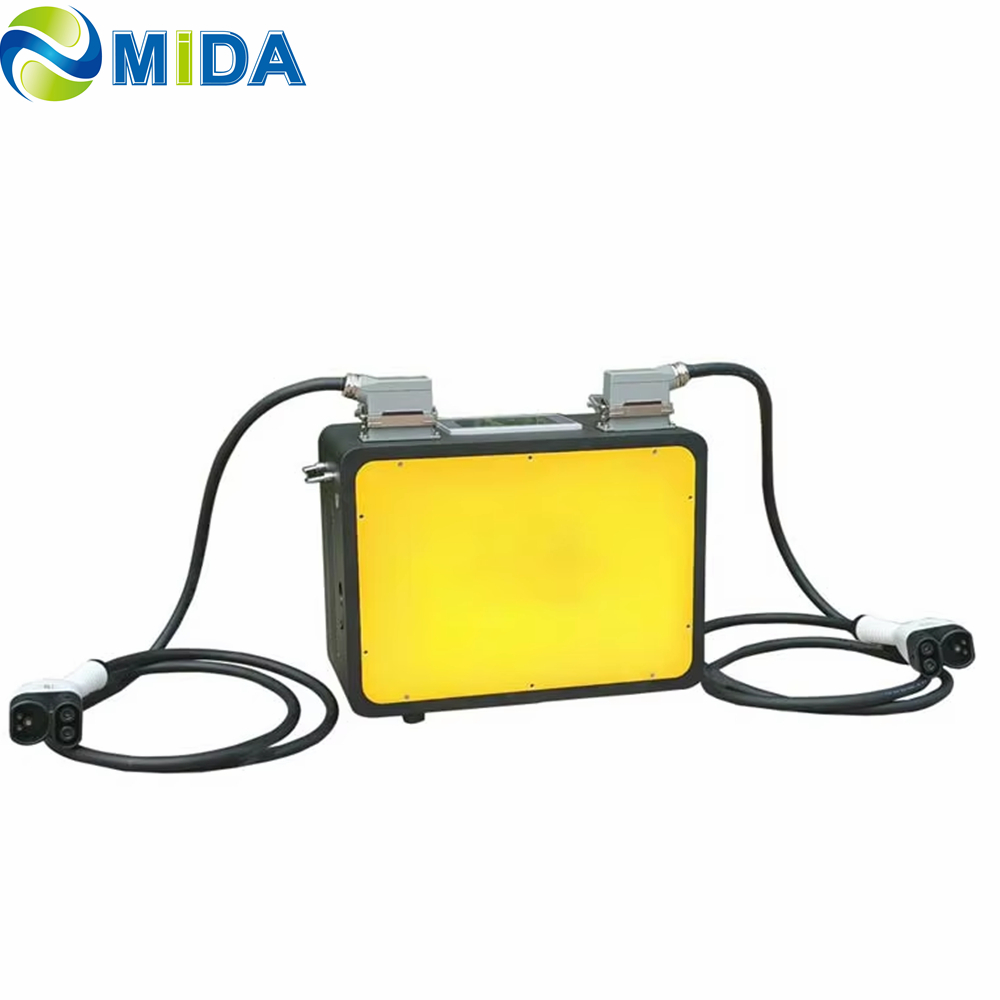

Best 20kW 30kW 40kW V2V Charger Vehicle to Vehicle Discharger Manufacturer, Supplier

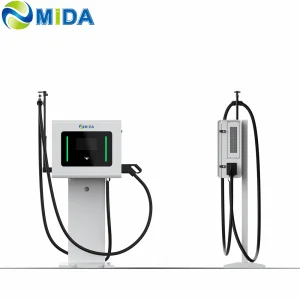
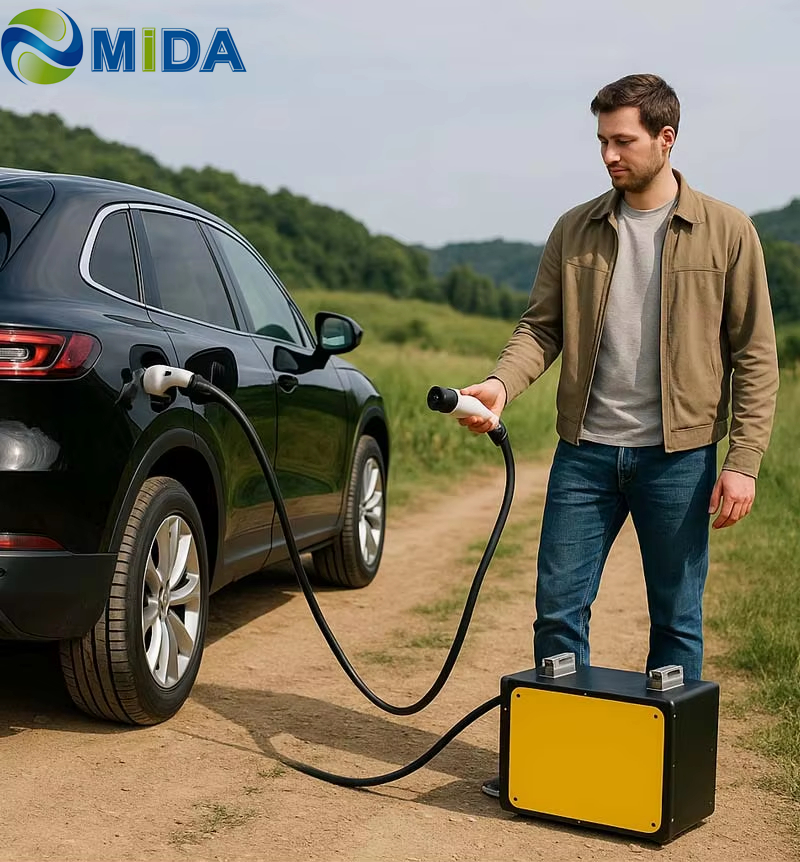
20kW 30kW 40kW V2V Charger Portable EV Charging Station V2V Discharger Portable Roadside Assistance V2V EV Charger.MIDA V2V charging stations are your ideal EV charging solution. This compact yet powerful device is designed for both emergency and everyday use, enabling fast and seamless charging between EVs, ensuring you're never stuck on the road.

Product Description

AC vs. DC: AC V2V charging is typically slow and limited by the onboard charger; high-power DC V2V charging is much faster, comparable to traditional charging stations.
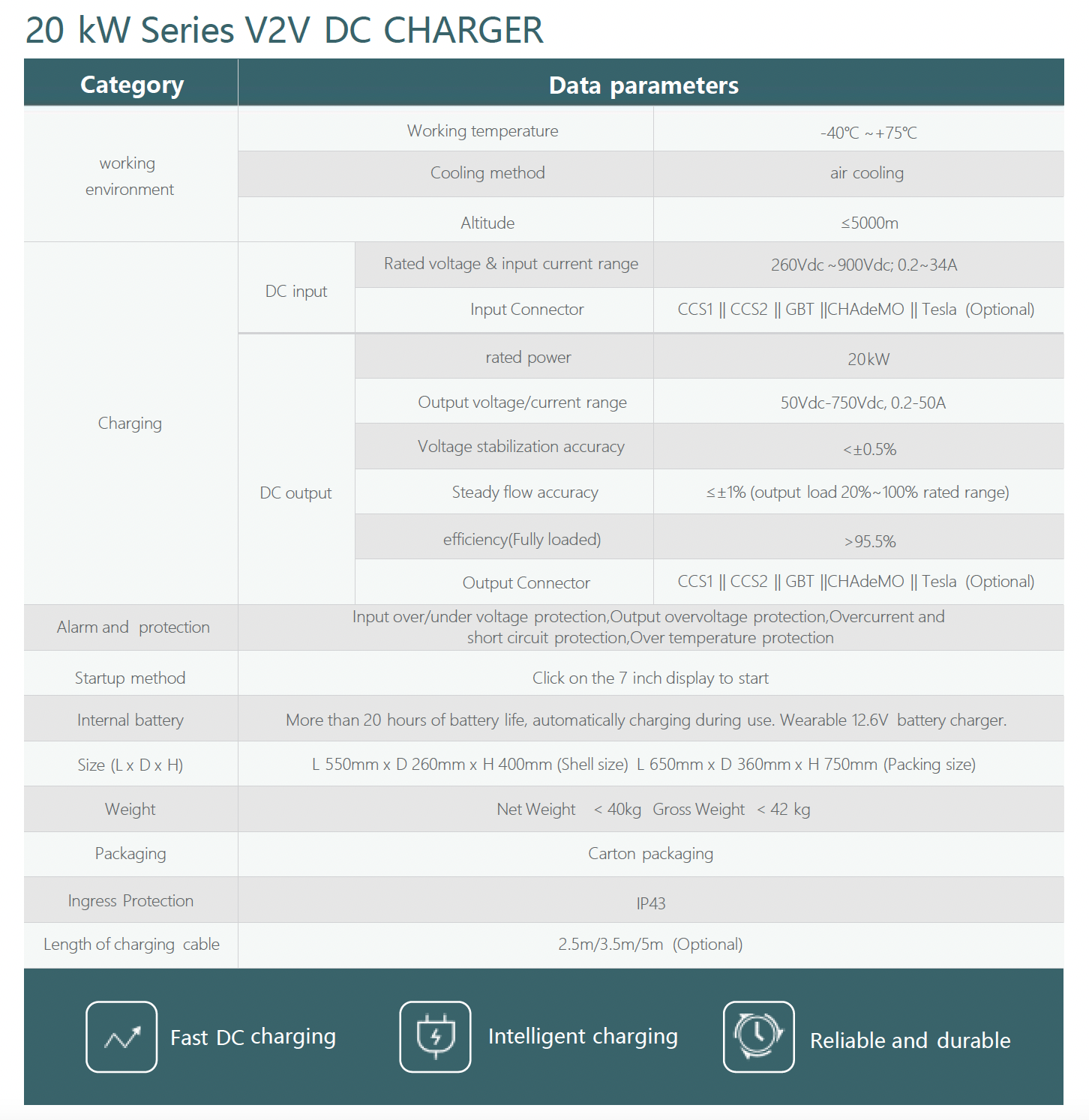
V2V Communication: For fast DC charging, vehicles must communicate via serial interfaces using standard protocols like CHAdeMO, GB/T, or CCS.
Power Transfer: The providing EV shares its battery power with the receiving EV through internal DC-DC converters.
Wireless V2V: Exploring wireless charging for both plug-in and non-plug-in vehicles to create more charging opportunities.

?About V2V Discharger Station

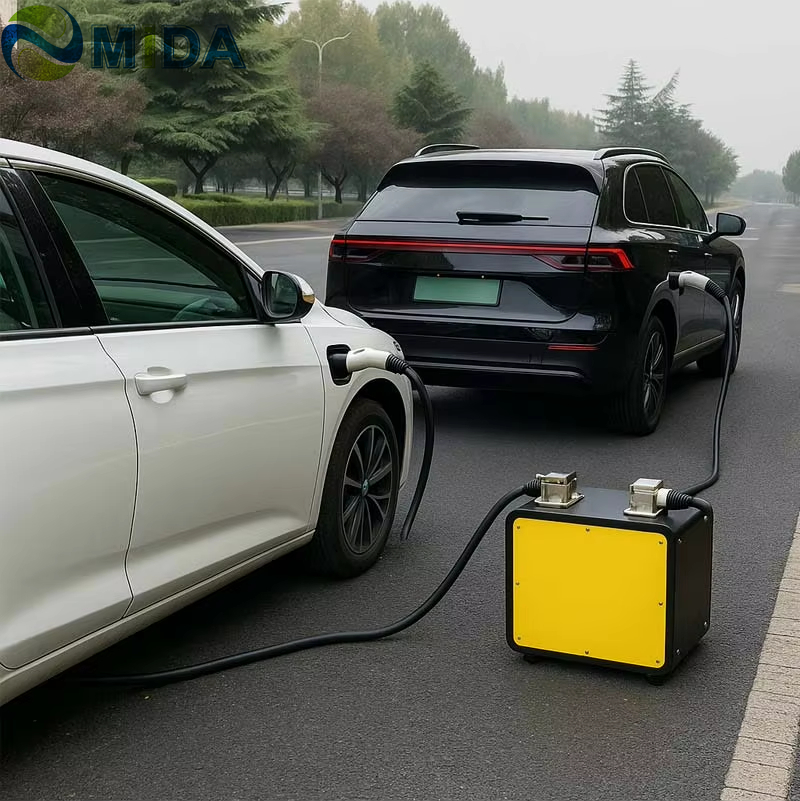
A V2V (Vehicle-to-Vehicle) charger allows one electric vehicle (EV) to charge another using a charging gun. This system transfers energy from a vehicle with a discharge function to one needing power. V2V Emergency DC Fast Charging is a bidirectional charging form designed to overcome range anxiety and provide power in emergency situations, such as breakdowns.

What is V2V Charging?

V2V technology is divided into DC and AC variants. While AC V2V is limited by the onboard charger and resembles V2L (Vehicle-to-Load), DC V2V technology allows for high-power commercial applications, making it highly suitable for range-extended electric vehicles.

How a 20kW 30kw 40kw V2V Charging Station Works

A V2V charging station connects two EVs easily, allowing one vehicle to share battery power. This ensures the availability of power in remote areas or during roadside emergencies.
Benefits of V2V Chargers

  • Reducing Grid Pressure: Minimizes the immediate need for expensive and time-consuming grid infrastructure expansion.
  • Renewable Energy Integration: Uses EVs as buffers to manage the intermittency of solar and wind power.
  • Peak Demand Management: Allows charging during off-peak hours and energy release during peak hours to relieve the grid.
  • Cost Savings: Consumers can sell excess energy to other EVs, potentially generating income.
  • Increased EV Adoption: Encourages buyers by providing a sense of stability and potential income through energy storage.

Advantages of V2V Charger Station

Range Relief: Crucial when traditional stations are unavailable.
Emergency Charging: Portable units help stranded vehicles reach the nearest station.
Efficient Energy Utilization: Facilitates broader energy sharing and reduces peak grid demand.
Eliminating Anxiety: Provides peace of mind for long-distance or remote travel.

V2V Charging Application Scenarios

1. Roadside Assistance: Opens new business opportunities for assistance companies. A V2V charger stored in the trunk can easily charge another vehicle in need.

2. Highway & Temporary Sites: Acts as a mobile fast charging station with no installation required. During peak travel periods, it alleviates long charging queues and reduces operational costs.

3. Outdoor Travel: For business trips or outdoor adventures, a mobile DC charging station allows travel with complete peace of mind.
Frequently Asked Questions

Q1: What is the main difference between AC and DC V2V charging? AC V2V is generally slower and limited by the vehicle's onboard charger, whereas DC V2V offers high-power, fast charging similar to commercial charging stations.
Q2: Can any electric vehicle use V2V charging? For fast DC V2V charging, vehicles must support standard protocols such as CHAdeMO, GB/T, or CCS to ensure proper communication and power transfer.
Q3: How does V2V charging help the power grid? It acts as a buffer by allowing energy sharing between vehicles, reducing the peak demand on grid infrastructure and utilizing renewable energy more efficiently.
Q4: Is V2V charging safe for my vehicle's battery? Yes, V2V chargers use internal DC-DC converters and standard communication protocols to manage the power transfer safely between the two vehicle batteries.
Q5: What are the best scenarios for using a portable V2V charger? It is ideal for roadside assistance, emergency situations on highways, temporary event sites, and remote outdoor travel where fixed charging stations are unavailable.
Q6: Can V2V charging generate income for EV owners? Yes, in some commercial models, EV owners can sell their stored excess energy to other electric vehicles, helping to offset their own costs.

Related Products