Frequently Asked Questions
Q: What are the primary types of EV charging connectors available?
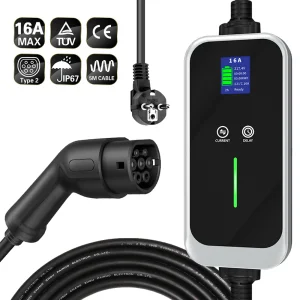
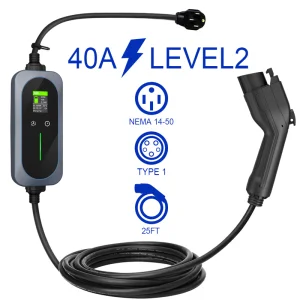
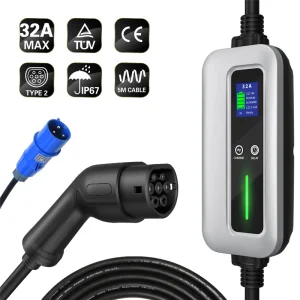
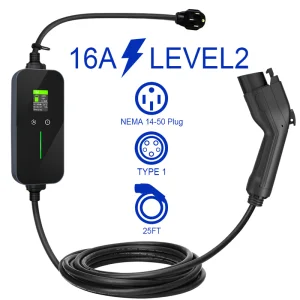
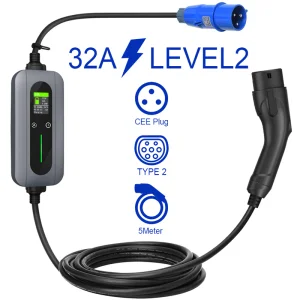
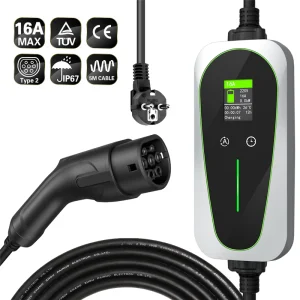
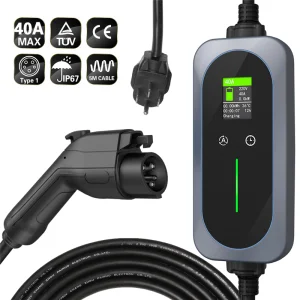
The most common types include Type 1 (SAE J1772) mainly used in North America, Type 2 (IEC 62196) which is the European standard, and CCS or CHAdeMO for DC fast charging.
Q: How do I determine which charging cable is compatible with my electric vehicle?
You should check your vehicle's charging port. If it has five pins, it is likely Type 1; if it has seven pins, it is usually Type 2. Most European vehicles use Type 2, while older American/Japanese models use Type 1.
Q: Are your charging products safe for use in outdoor and rainy conditions?
Yes, professional EV charging components are designed with high IP ratings (typically IP54 to IP67), ensuring they are waterproof, dustproof, and safe for outdoor operation.
Q: What is the difference between 16A and 32A charging cables?
A 16A cable typically supports up to 3.6kW (single-phase), while a 32A cable supports up to 7.2kW (single-phase) or 22kW (three-phase), allowing for significantly faster charging times.
Q: Do these products meet international quality and safety standards?
All high-quality EV charging equipment should comply with international certifications such as CE, TUV, UL, and RoHS to ensure electrical safety and environmental protection.
Q: Can I use a portable EV charger with a standard home wall socket?
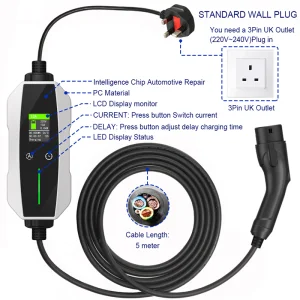
Yes, portable chargers are designed to work with standard domestic sockets, but it is important to ensure your home wiring is in good condition and can handle the continuous current draw.