1 / 5

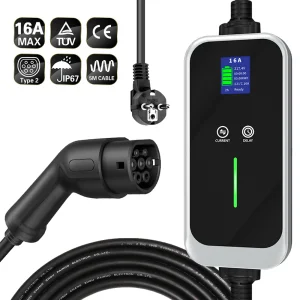
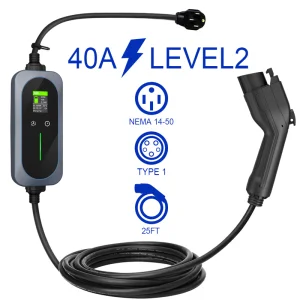
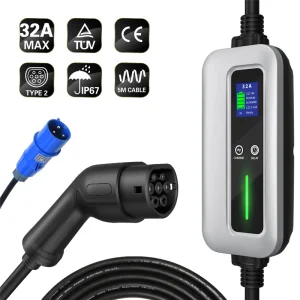
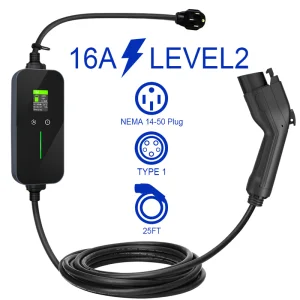
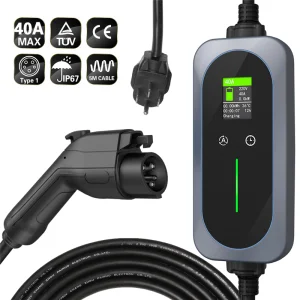
Type 1 is a single-phase plug standard mainly used in North America and Japan, whereas Type 2 is a three-phase plug standard commonly used in Europe and other regions. Ensure you select the cable type that matches your vehicle's inlet.
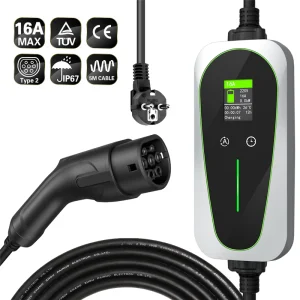
Yes, high-quality EV charging equipment is designed with high waterproof ratings (such as IP55 or IP67). They are safe for outdoor use under normal rain conditions, though it is recommended to avoid submerging the connectors in water.
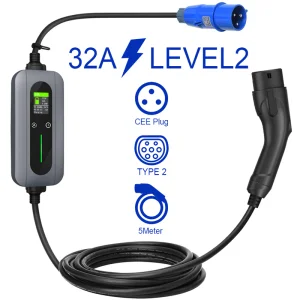
The charging rate is determined by the vehicle's onboard charger limit, the charging station capability, and the cable specification. It is safe to use a cable with a higher current rating (e.g., 32A) on a vehicle that only accepts lower currents (e.g., 16A), as the system automatically negotiates the optimal safe rate.
Yes, premium EV adapters are manufactured using robust, heat-resistant, and flame-retardant materials, equipped with reliable pins and insulation protection to ensure safe and stable performance over extended periods.
Look for international certifications such as CE, TUV, RoHS, and UL. These marks guarantee that the products have undergone rigorous testing for electrical safety, electromagnetic compatibility, and environmental compliance.
Absolutely. A 22kW (three-phase, 32A) charging cable is backward compatible and will safely charge your vehicle at 7.4kW (single-phase, 32A) or lower, depending on the maximum output of the charger.