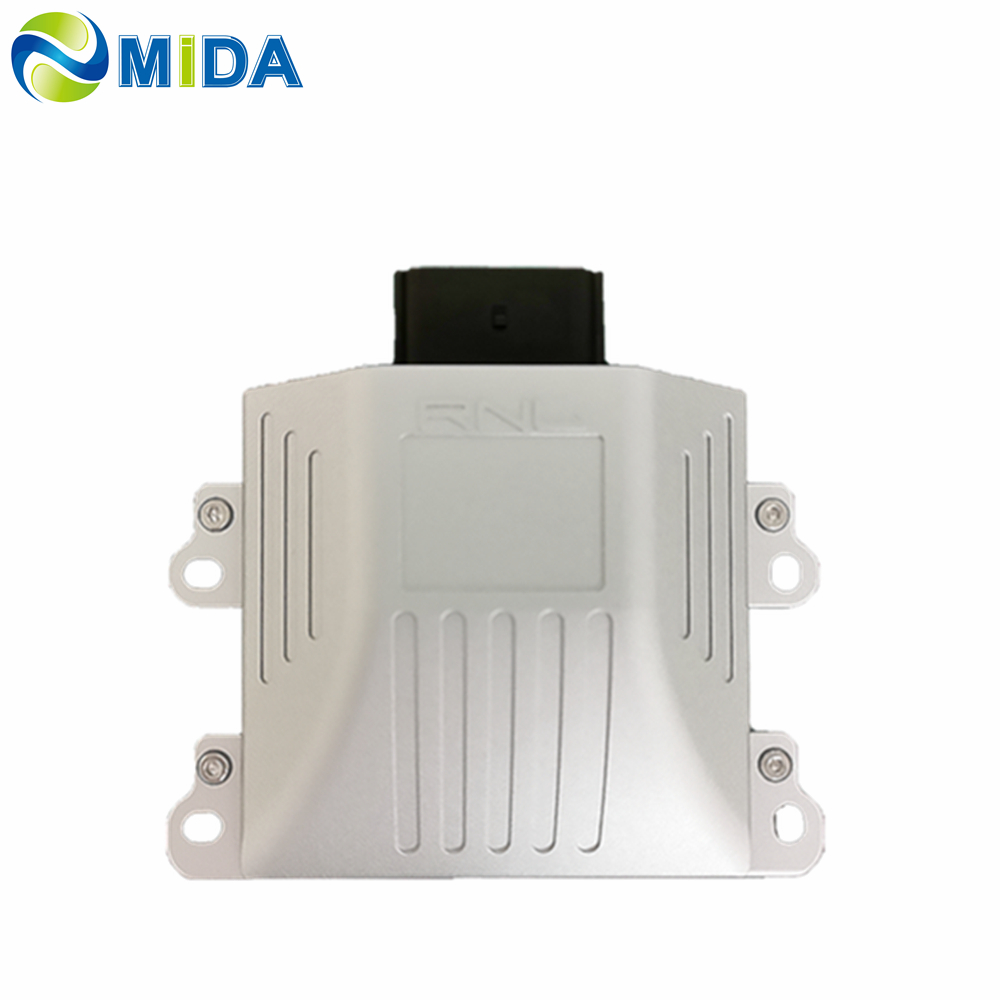
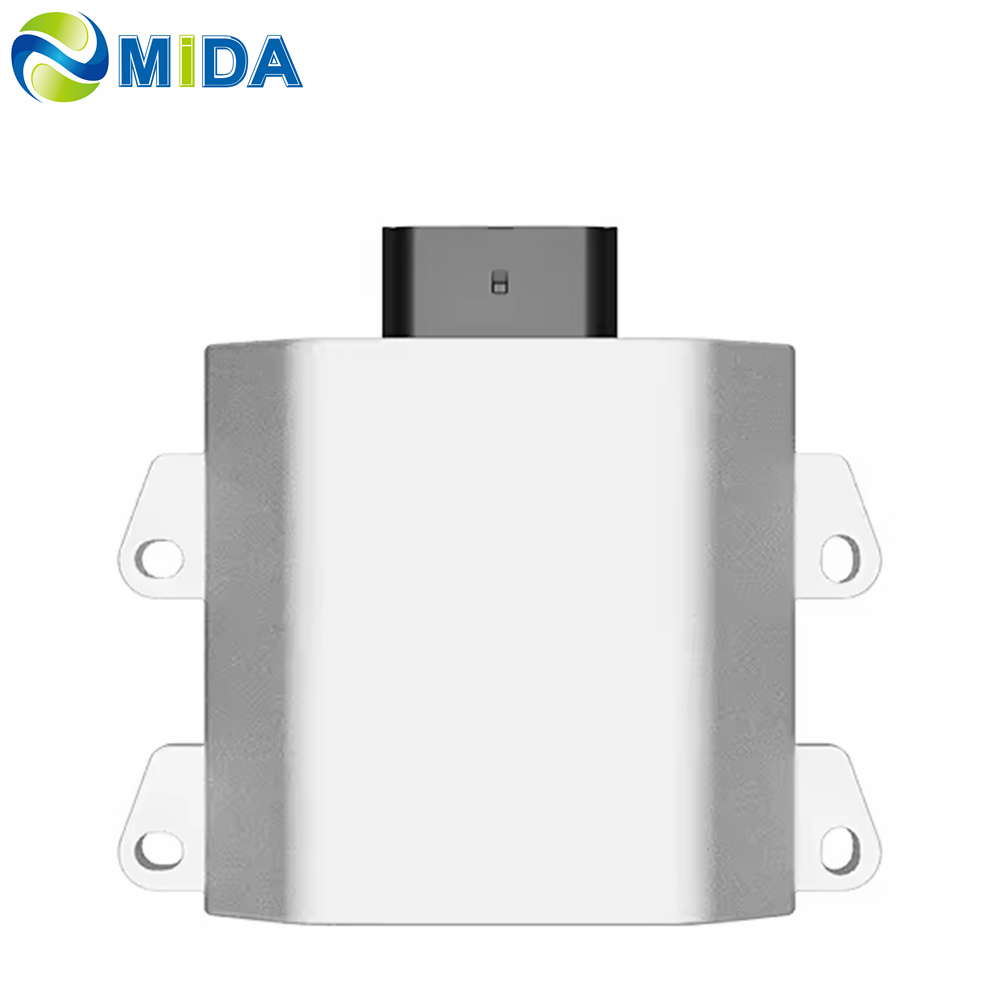
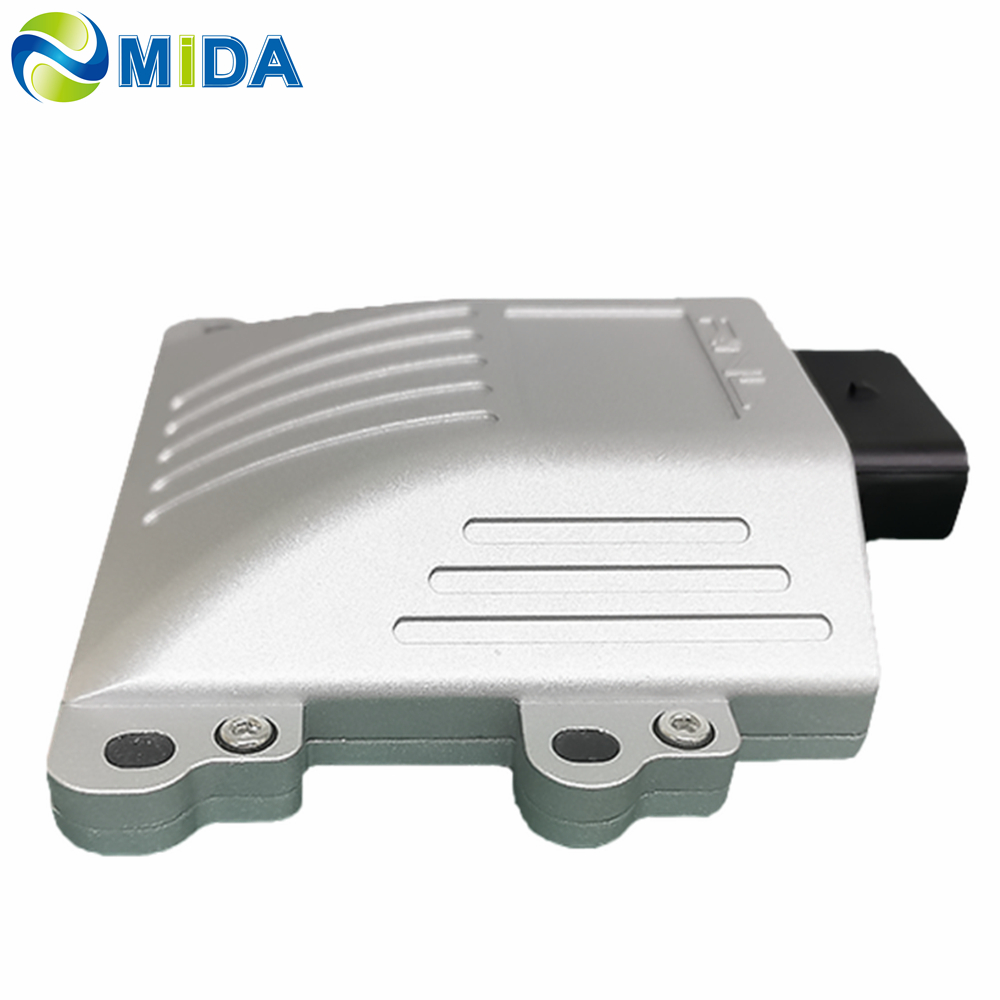
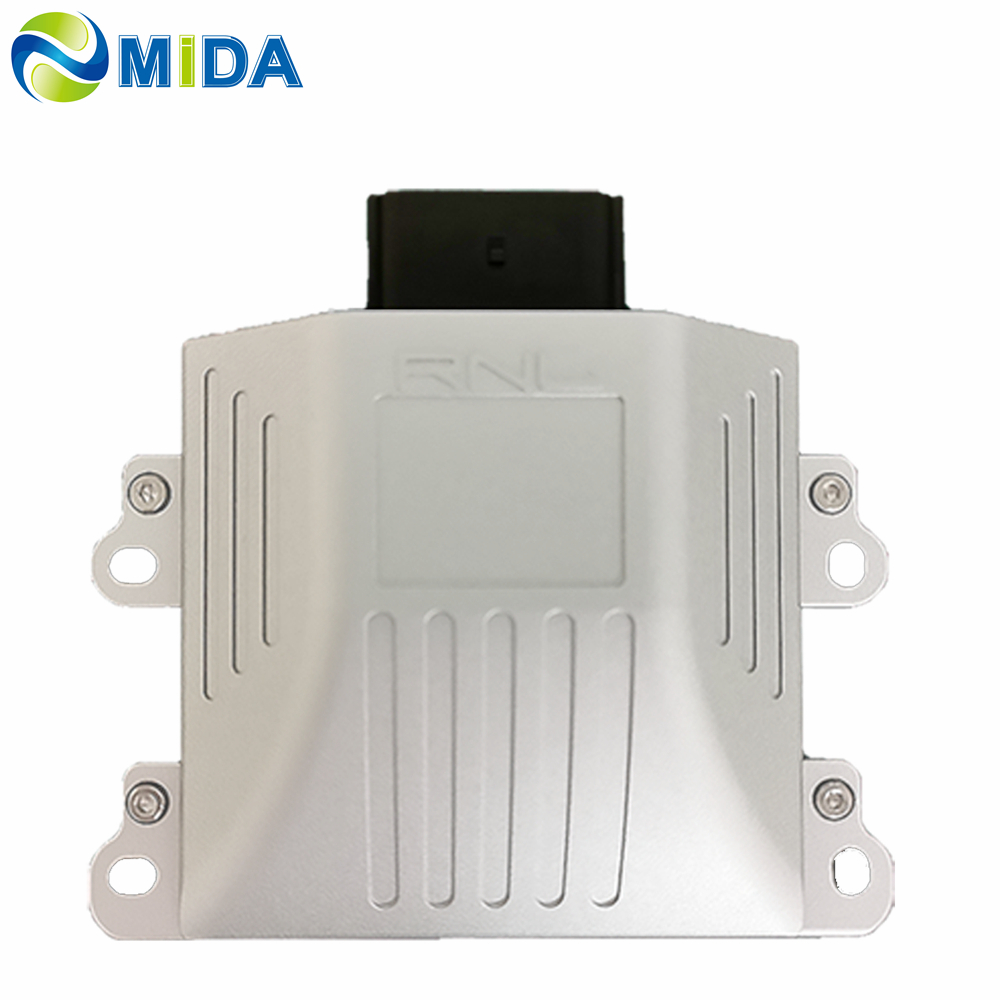

Best EVCC Controller DC Fast Charger ISO 15118 EV Communication Controller for EV Truck, Bus Manufacturer, Factory

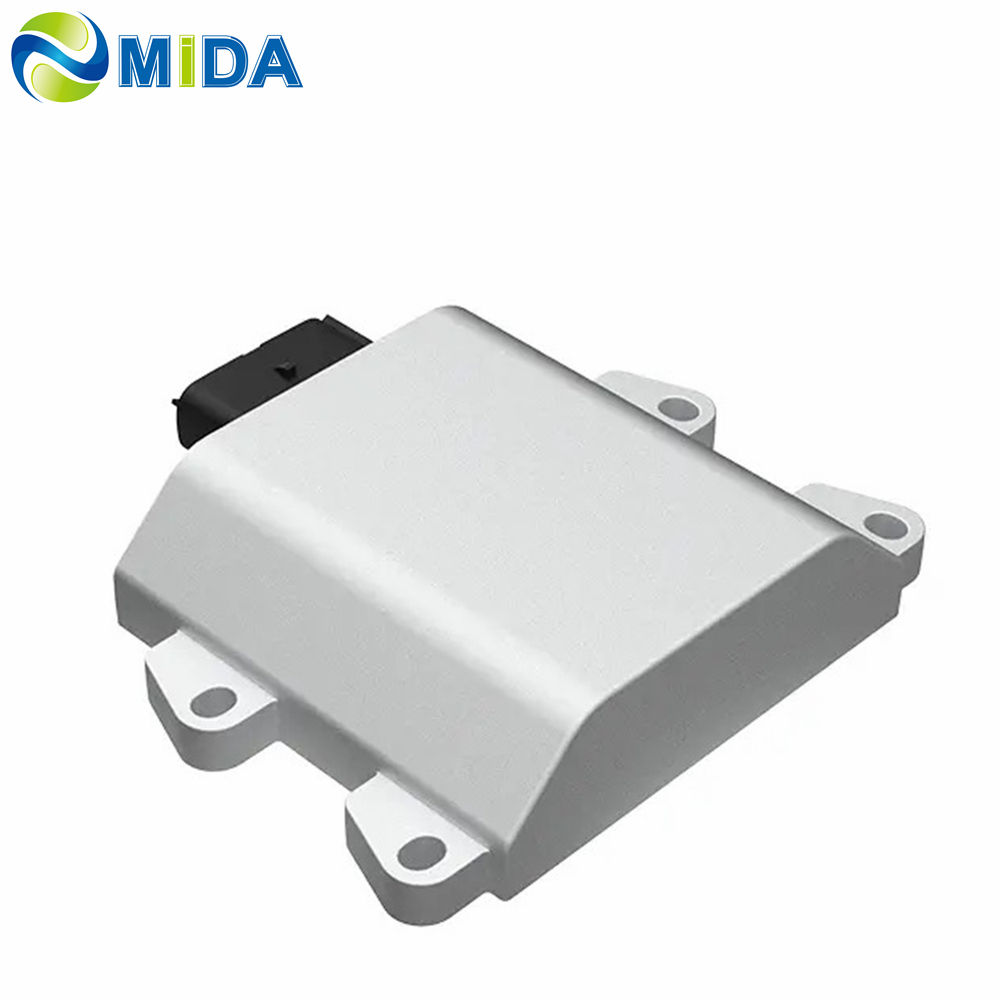
EVCC Controller is a communication modem for electric vehicle charging communication. EVCC supports CCS (V2G), AC, and NACS protocols. PLC to CAN gateway.It supports international standards such as DIN and ISO 15118.The EVCC (Electric Vehicle communication Controller) ensures safe and compliant communication between electric vehicles and charging stations.Highly configurable with interfaces for selected BMS and current sensors.

Product Description

Electric Vehicle Charging Controller (EVCC)
EVCC Product

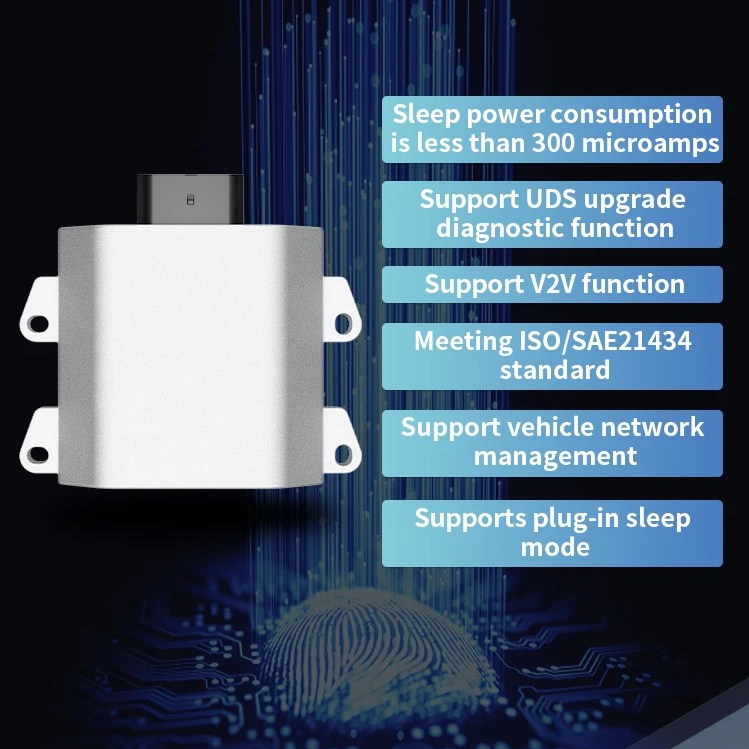
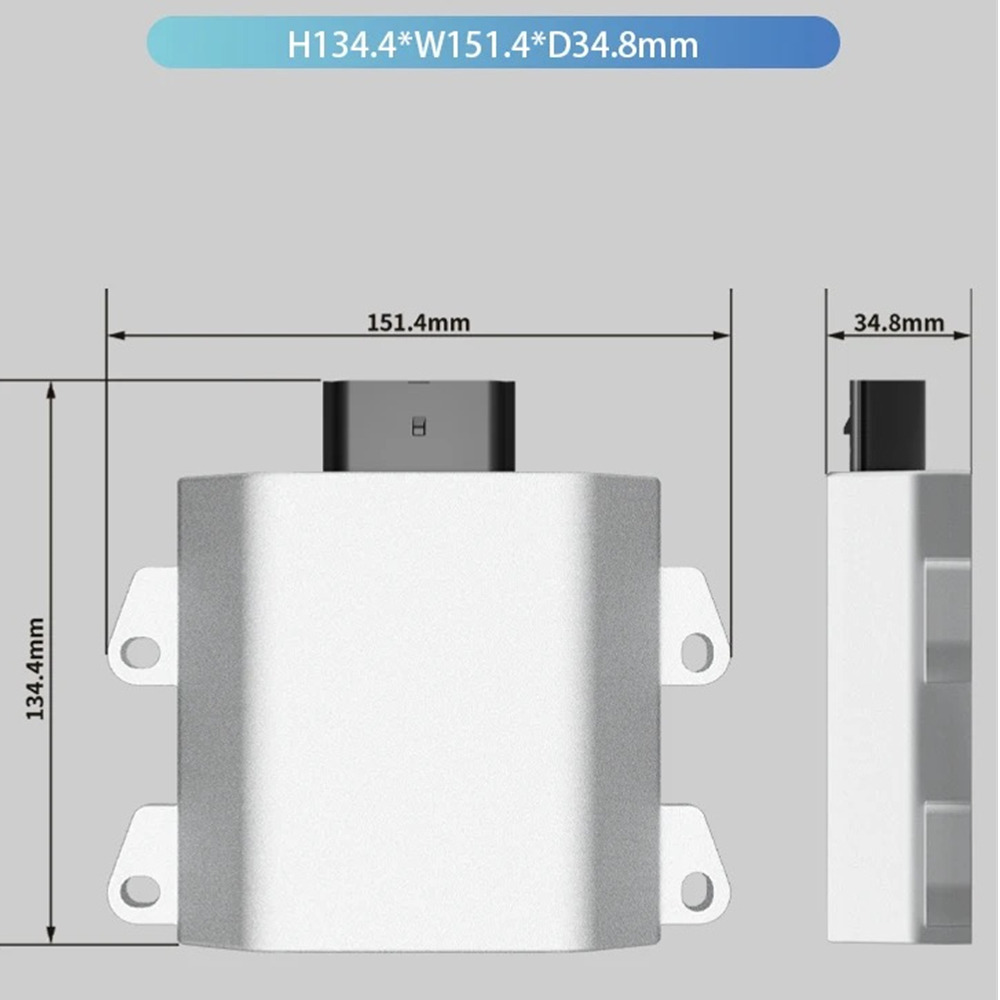
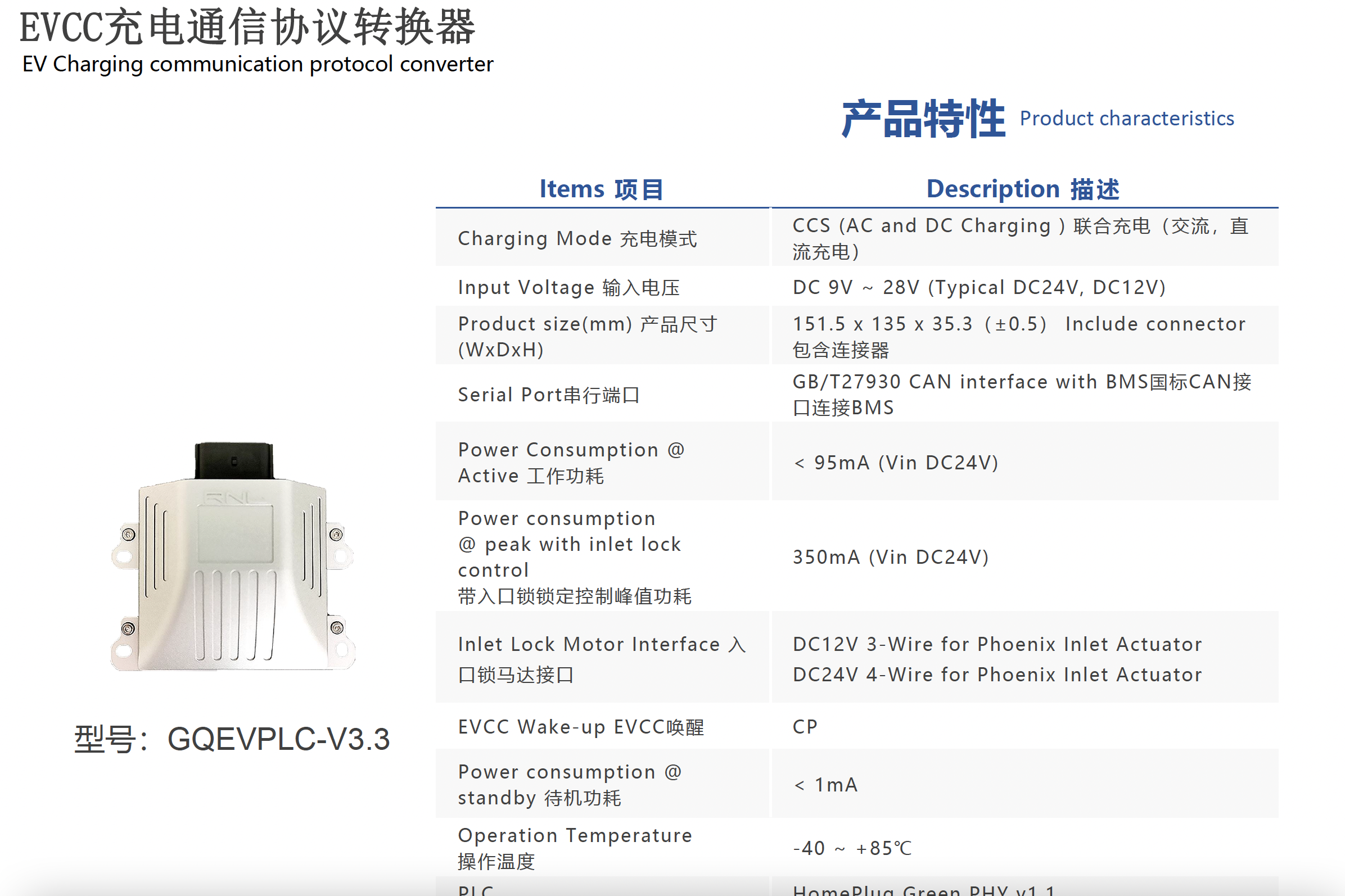
The EVCC is a standard ECU designed for 24V environments, enabling advanced electrical charging communication between vehicles and infrastructure. It strictly adheres to DIN SPEC 70121 and ISO 15118 standards for Power Line Communication (PLC). This controller includes an integrated flash bootloader and a modern software stack with all relevant application modules to ensure seamless connectivity.

Key Features
HomePlug Green PHY (HPGP) 1.1
SLAC (Signal Level Attenuation Characterization)
DIN SPEC 70121 & ISO 15118-2 AC/DC
ISO 15118-20 AC/DC EIM/PnC
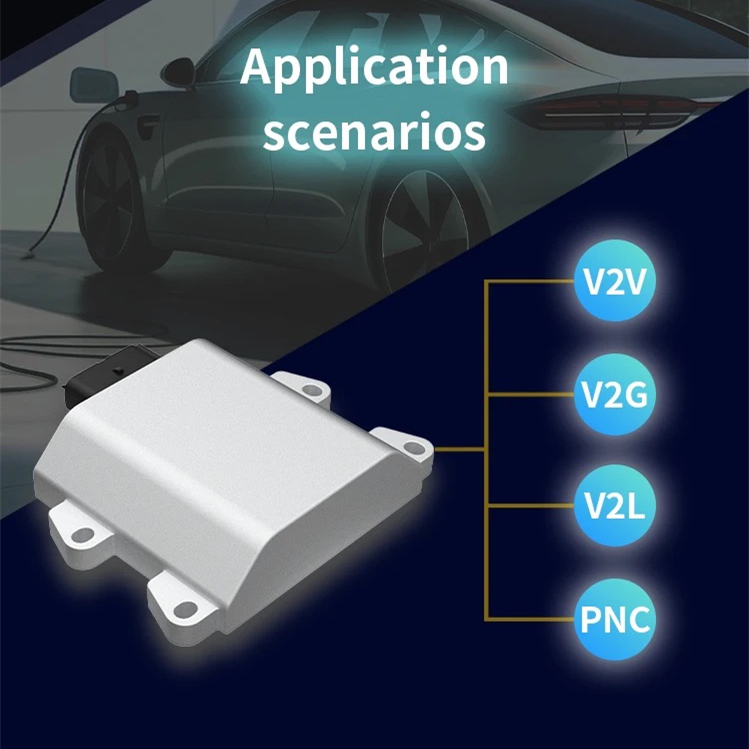
Bidirectional Power Transfer (V2G) Support
VAS (Value Added Service) ISO 15118 / VDV261
Pantograph & ACD (Automatic Connection Devices)
CAN 2.0B, J1939, UDS Supported
Available Models & Specifications
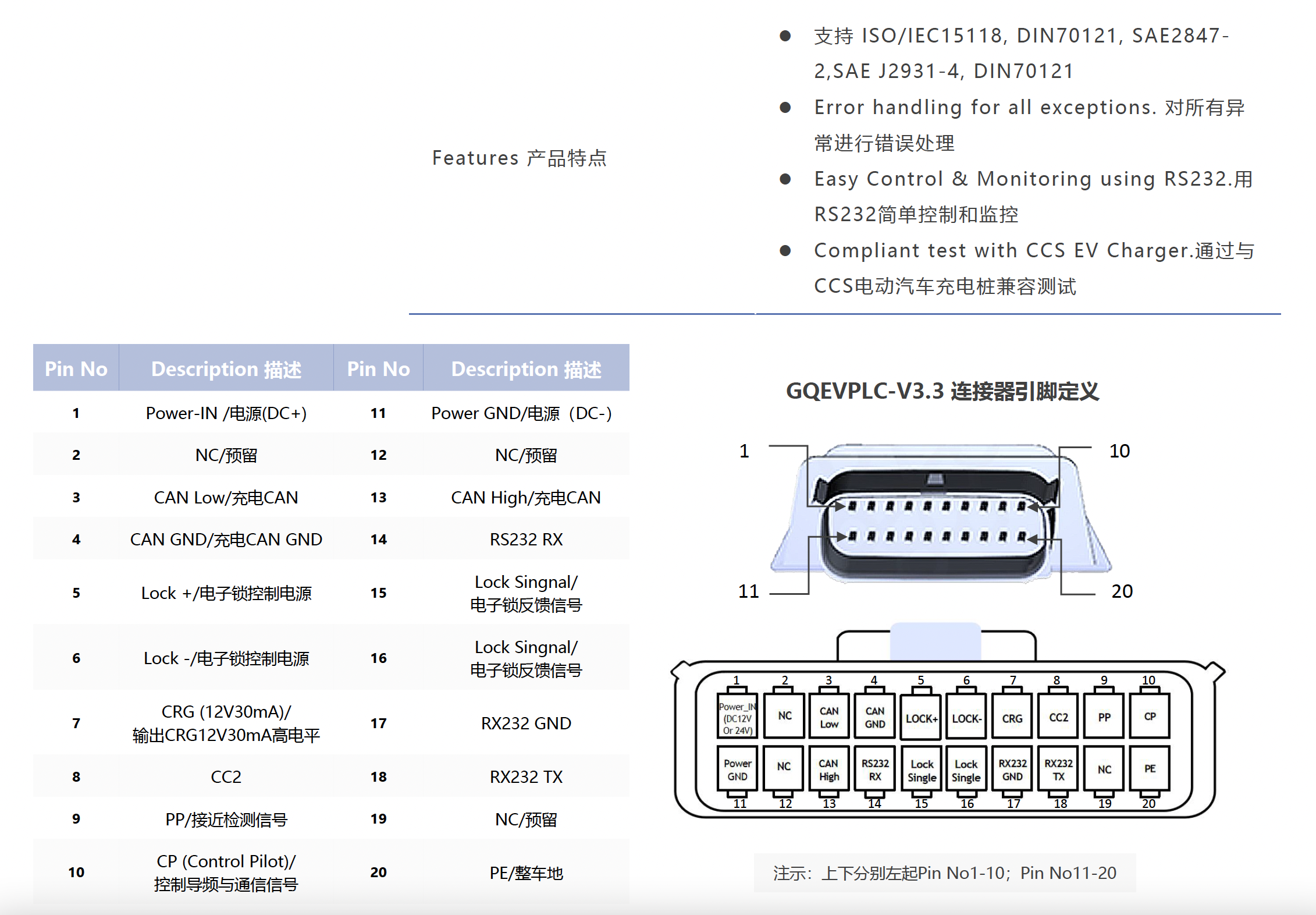
  • GQEVPLC-V3.3: CCS Combo1 & CCS Combo2
  • GQEVPLC-V3.4: CCS Combo 1 & CCS Combo 2
  • GQEVPLC-V4.1: CCS Type 1 & CCS Type 2
  • GQEVPLC-V6.1: CCS 1 & CCS 2
  • GQEVPLC-V6.2: CCS1 & CCS2
  • GQVCCU-V1.03: CHAdeMO Support
1. EVCC Core Function

As national standard electric vehicles often utilize different protocols, they must be equipped with an EVCC to establish communication with overseas charging stations. The EVCC acts as the critical communication bridge, converting the vehicle's internal protocols into a format understood by international charging infrastructure.

It manages power transmission control, data exchange, monitors battery capacity, and regulates charging power and time while recording data for management.
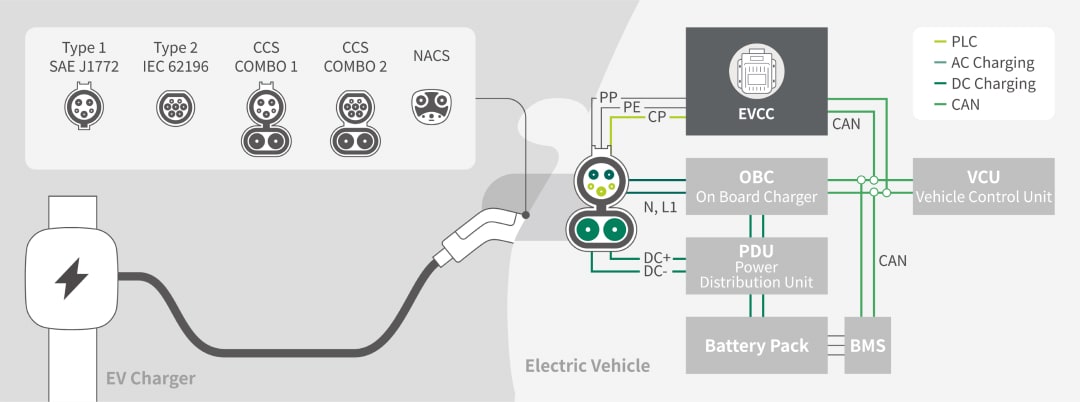
EVCC Communication Diagram
2. Global Standards Compatibility

Our EVCC is a comprehensive solution supporting CCS1 and CCS2 inlets. The global market is divided by various standards: China's GB/T 27930, Europe's DIN 70121 and ISO 15118, the US SAE J1772, and Japan's CHAdeMO. The EVCC overcomes these differences in communication protocols and voltage levels, allowing vehicles to be exported and charged globally.

3. Hardware & Software Conversion

Hardware Requirements:

  • Replacing the charging inlet with European or American standard hardware.
  • Integration of the EVCC charging communication controller.

Software Requirements:

  • The EVCC facilitates communication with the BMS, converting local CAN communication to international PLC communication standards.
4. EVCC Hardware Components

The system is built upon five essential modules: Microprocessor, Power Module, Communication Module, Sensors, and Safety Protection Circuit.
Frequently Asked Questions
What is the primary role of an EVCC?
The EVCC (Electric Vehicle Charging Controller) acts as a communication bridge between the electric vehicle and the charging station, converting protocols to ensure compatibility and managing the charging process safely.
Does this controller support Vehicle-to-Grid (V2G)?
Yes, the controller supports Bidirectional Power Transfer Communication in accordance with V2G standards.
Which international standards is the EVCC compliant with?
It is compliant with DIN SPEC 70121, ISO 15118-2, and ISO 15118-20 for both AC and DC charging.
Can Chinese GB/T standard vehicles use this to charge in Europe?
Yes, by installing the EVCC and compatible hardware (like CCS2 inlets), Chinese standard EVs can communicate and charge with European infrastructure.
What power environments is the EVCC designed for?
The EVCC is a standard ECU designed for 24V vehicle electrical environments.
What communication protocols are supported for internal vehicle use?
It supports CAN 2.0B, J1939, and UDS for communication with the vehicle's internal systems like the BMS.

Related Products