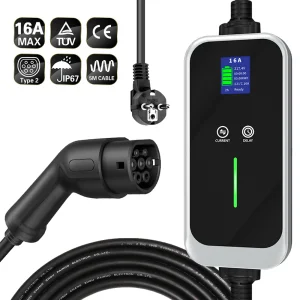
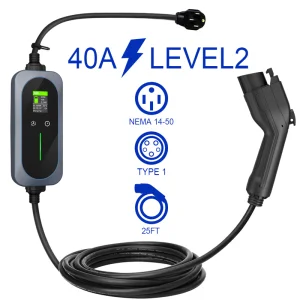
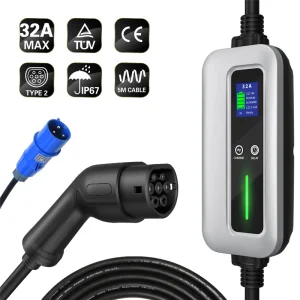
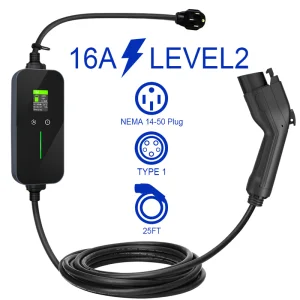
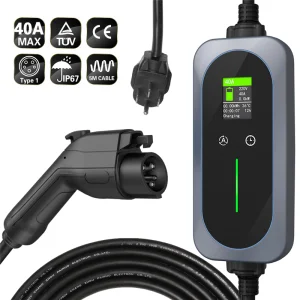
Q1: How do I choose the correct charging cable for my vehicle?
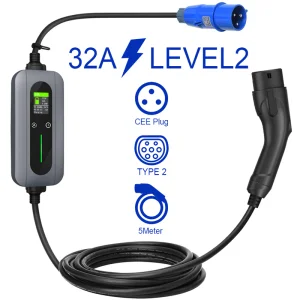
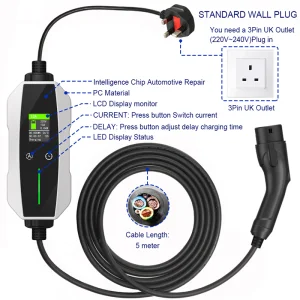
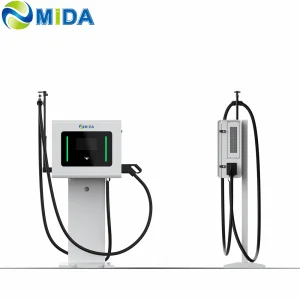
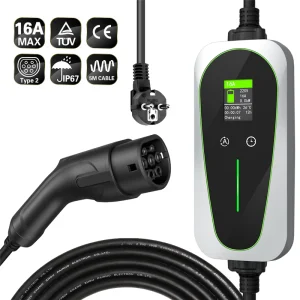
To choose the right cable, you need to identify your car's inlet type (Type 1 or Type 2) and the charging station's outlet. Most modern European vehicles use Type 2, while some older models or American imports might use Type 1.
Q2: Can I use this product in outdoor environments?
Yes, our high-quality charging components are designed with high IP ratings (typically IP55 or higher), making them resistant to water splashes and dust, suitable for outdoor installation and use.
Q3: What is the difference between 16A and 32A charging?
32A cables are capable of delivering more power (up to 7.2kW or 22kW depending on phases) compared to 16A cables. A 32A cable is backward compatible and can be used with a 16A car or station, but not vice versa.
Q4: Is it safe to leave the charger connected after the battery is full?
Absolutely. Modern Electric Vehicles and smart charging units have built-in communication protocols that automatically stop the current flow once the battery reaches its full capacity.
Q5: Does temperature affect the charging performance?
Extreme temperatures can affect battery chemistry. However, our cables and connectors are built with premium materials that maintain flexibility and conductivity across a wide temperature range, ensuring stable performance.
Q6: How can I maintain my charging equipment?
Keep the connectors clean and dry. Avoid dropping the handle on hard surfaces, and periodically inspect the cable for any signs of wear or damage to ensure continued safety.