
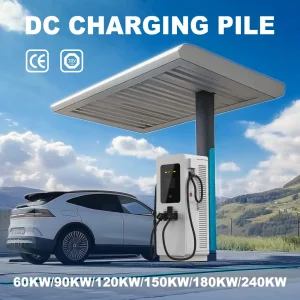
Explore our primary heavy-duty fast-charging installations configured for New Zealand public and commercial fleet applications.
Shanghai Mida Cable Group Ltd. operates through its wholly owned subsidiaries: Shanghai Mida EV Power Co., Ltd., Shenzhen Mida EV Power Co., Ltd., and Shanghai Mida New Energy Co., Ltd. We design, manufacture, and distribute EV charging solutions globally, bridging advanced Chinese manufacturing supply chains with local technical compliance in New Zealand.
Mida Cable manufactures a comprehensive range of EV charging cables, including 16A–80A J1772 cables, 16A–63A IEC 62196-2 Type 2 cables, and DC fast charging cables: CCS1 (80A–500A), CCS2 (125A–1000A), CHAdeMO (125A–300A), GBT (200A–1000A), and NACS connectors (250A–600A).
MIDA EV Power produces a full lineup of EV charging stations, such as 7kW–50kW mobile chargers, 3.6kW–7.2kW portable DC chargers, 360kW–1440kW split-type DC fast chargers, 20kW–50kW wall-mounted DC chargers, and 60kW–480kW floor-standing DC fast charging stations.
MIDA New Energy specializes in EV charger power modules, offering 20kW–60kW standard modules, 40kW–125kW liquid-cooled modules, 30kW–62.5kW bidirectional modules, and 20kW–45kW V2G charging modules.

Understanding the distinct geographic, regulatory, and industrial dynamics of the NZ transport electrification market.
Many remote regions, tourism corridors (e.g., Fiordland, West Coast), and industrial depots suffer from limited grid capacity. Deploying standard ultra-fast chargers directly can lead to high peak demand charges or require expensive substation upgrades. This is where high-efficiency power modules and Battery Energy Storage System (BESS) integrated chargers become critical solutions to deliver reliable charging without overloading regional distribution networks.
Adhering to strict WorkSafe New Zealand guidelines and AS/NZS electrical standards for public safety.
All chargers designed for New Zealand are engineered to satisfy the strict requirements of AS/NZS 3000 (Wiring Rules). With RCM certification, our hardware complies with both Australian and New Zealand radio communication and electrical safety regulations, ensuring swift connection approval by local lines companies.
New Zealand's coastal environments carry high salinity levels, which can easily degrade standard metal enclosures. MIDA's split-type outdoor cabinets and pantograph chargers feature advanced protective coatings (C5-M class rating) and IP55/IP65 ratings, shielding active modules from moisture, salt haze, and dust.
Integrating charging infrastructure with local energy software platforms is seamless. Supporting Open Charge Point Protocol (OCPP) allows real-time telemetry, remote smart charging commands to avoid high-tariff periods, and straightforward integration with NZ-based billing solutions.
The global EV infrastructure market relies heavily on the technological advancements and cost efficiencies nurtured within China's massive supply chain. By partnering with MIDA Group, New Zealand CPOs and procurement managers access direct factory resources, circumventing the massive markups applied by local distributors.
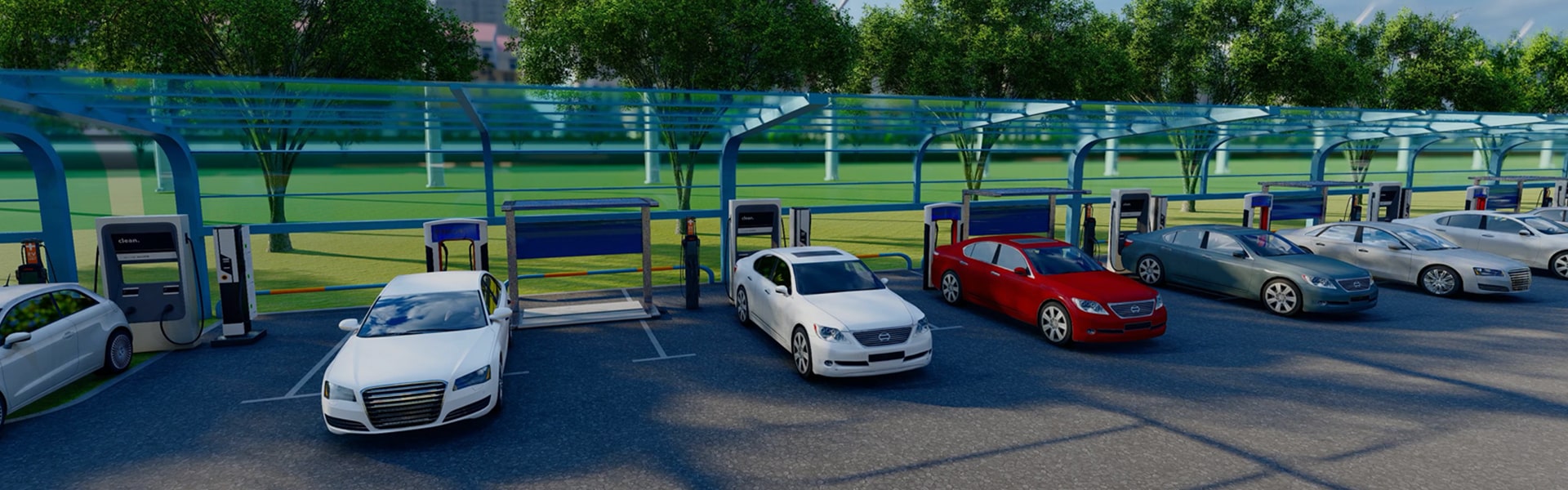
Engineered for endurance. Our products power everything from small light commercial vehicles to municipal heavy-duty bus fleets.
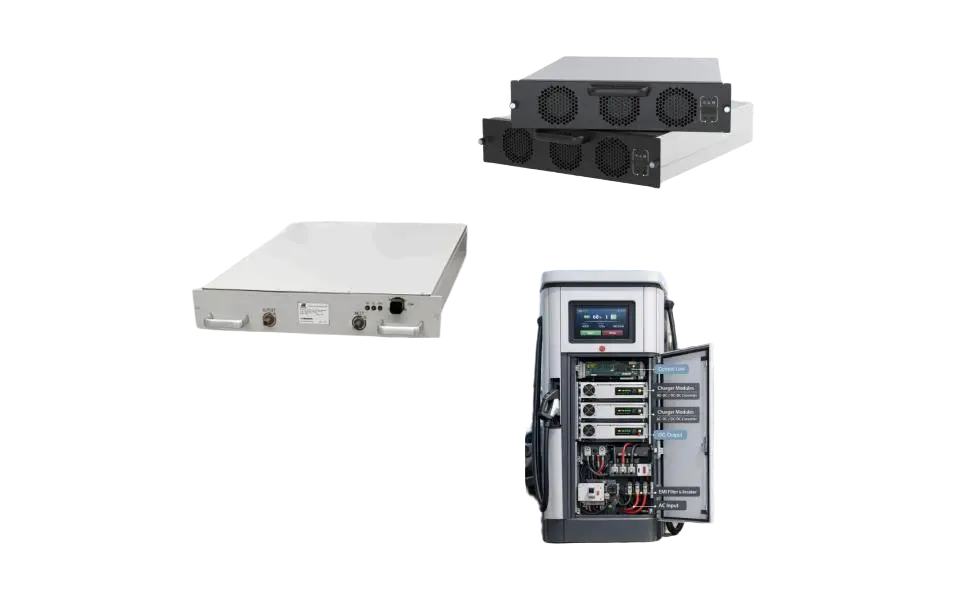
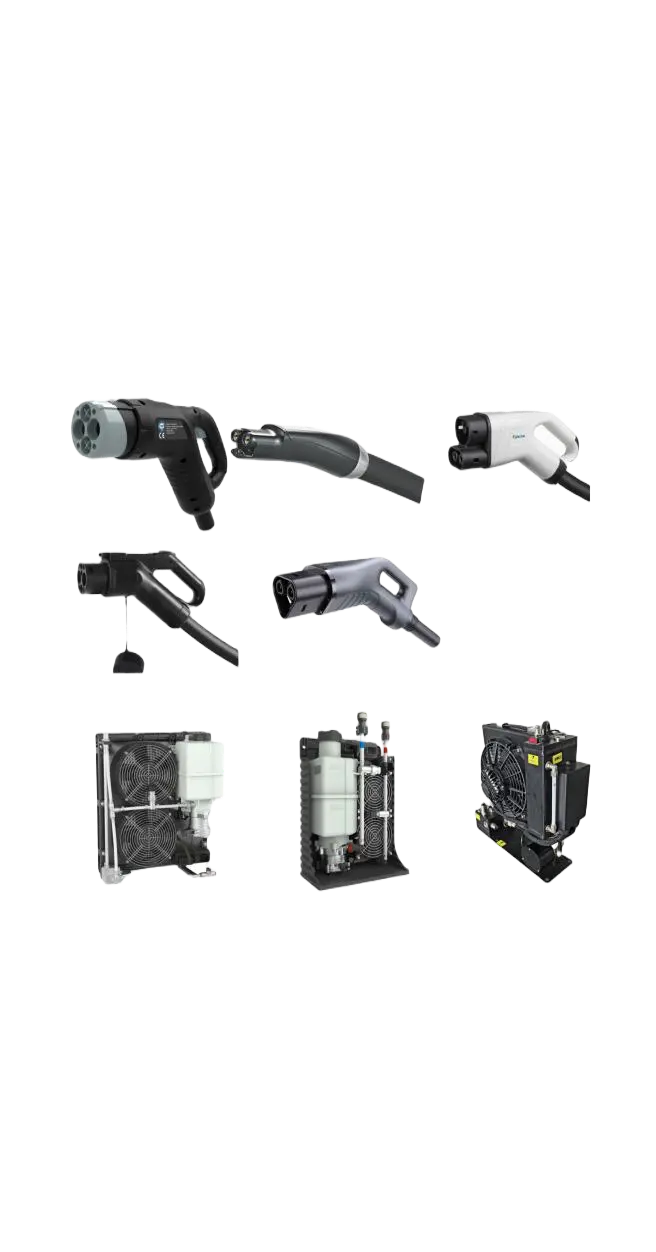
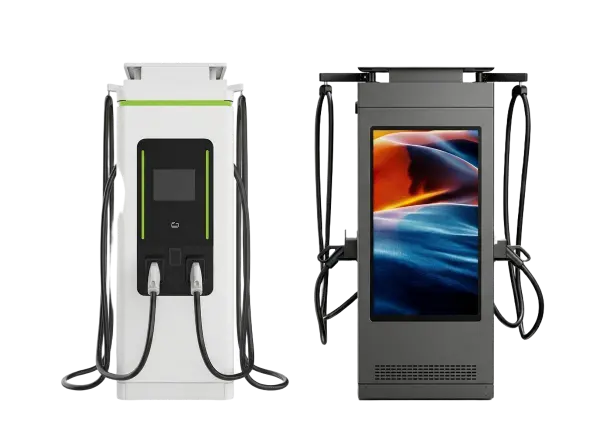
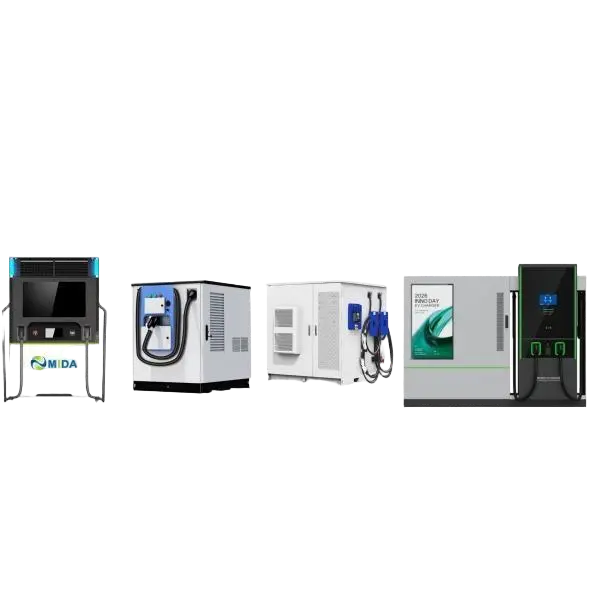
Tailored mechanical designs and charging capacities built for targeted New Zealand commercial projects.
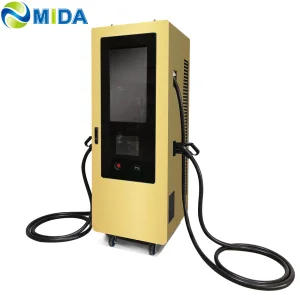
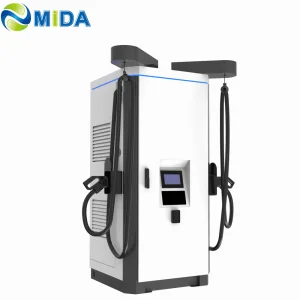
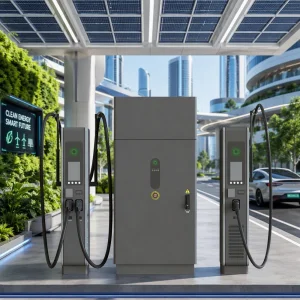
Our wall-mounted and floor-standing 40kW to 80kW CCS2 DC chargers are widely used at freight depots in South Auckland and Christchurch, supporting overnight commercial EV fleet charging cycles.
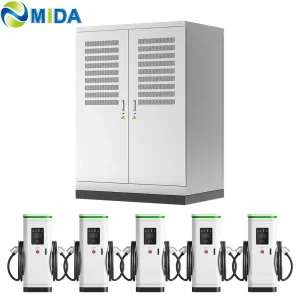
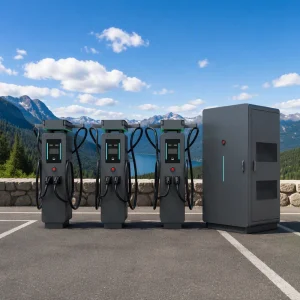
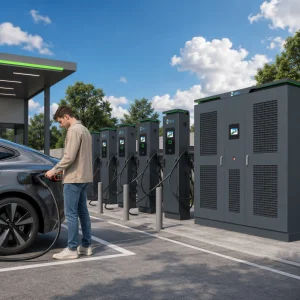
High-output split-system charging hubs (up to 720kW) dynamic load-balance power to multiple cars simultaneously. Essential for tourist pathways and regional highways spanning from Northland down to Queenstown.
Integrating heavy-duty pantograph overhead systems and split cabinet configurations (300kW to 600kW) specifically designed for municipal e-bus operations across Wellington and Auckland transport grids.
Manufactured in ISO-certified facilities and shipped directly to New Zealand with global validation standards.
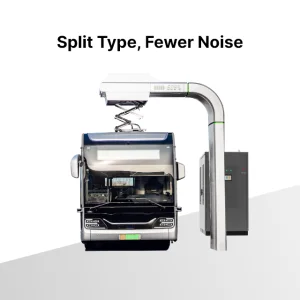
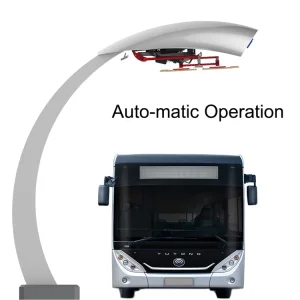
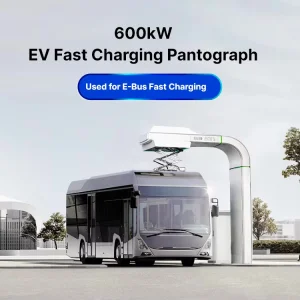
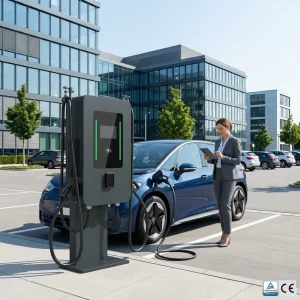
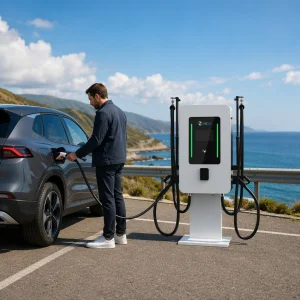
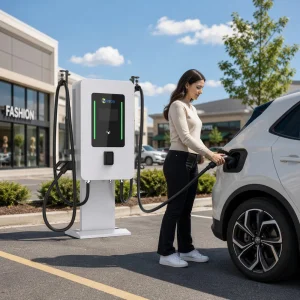
State-of-the-art thermal management hardware engineered for maximum safety and ultra-fast output.
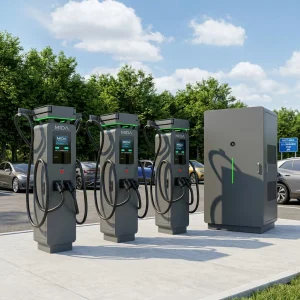
A deep dive study on the technical requirements for localized utility grids and heavy vehicle corridors.
With the expansion of renewable energy generation (wind and solar) within New Zealand, smart energy control via Vehicle-to-Grid (V2G) bidirectional power modules is moving from pilot tests to standard requirements. Bidirectional modules allow fleet managers to discharge vehicle battery power back to local grids during peak load hours, turning parked vehicles into virtual power plants (VPPs) and generating a secondary revenue model.
Learn about the practical realities and mechanical requirements for transit systems and commercial deployments.
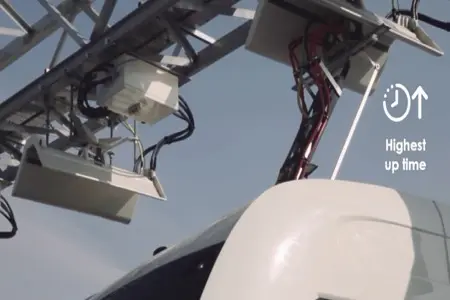
What are the advantages of an e-bus pantograph dome? In contrast to classic plug-in charging systems, e-bus pantograph systems automate high-power delivery, removing manual handling of heavy liquid-cooled cables and allowing safe fast-charge operations during standard bus route stopovers.
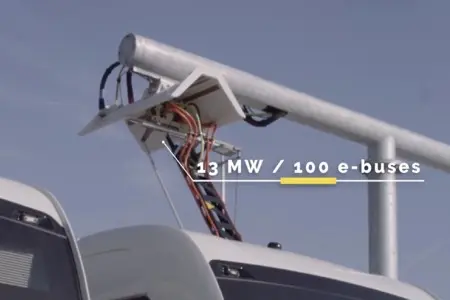
How long does it take to charge with an e-bus pantograph? The overall charging time depends on battery capacity and input wattage. Delivering up to 600kW of continuous charge, these overhead installations can replenish electric bus batteries within 10-15 minutes, fitting cleanly into driver turnaround schedules.
How to Install the Pantograph Up Charger System Dome for Electric Bus: Installing a “Pantograph Up” system dome requires careful alignment with overhead structural platforms, precise calibration of the local grid connection, and specialized control programming to safely manage power delivery.
Get answers to the most common questions raised by New Zealand contractors, planners, and site developers.
New Zealand primarily utilizes the CCS Type 2 (CCS2) connector standard for DC fast charging, aligning with European transport frameworks. While historical Japanese imports still require legacy CHAdeMO plugs, modern public installations focus heavily on dual CCS2 ports or combined CCS2 + CHAdeMO configurations to cover all vehicle types.
Yes. All electrical equipment imported or sold in New Zealand must comply with local safety regulations. For DC fast chargers, suppliers must supply evidence of testing to international standards (IEC 61851 series) and hold a valid Regulatory Compliance Mark (RCM) registration to verify safe design and component testing.
Split-type setups place the heavy AC-DC power modules in a centralized, weather-protected cabinet located away from the public area. Smaller, lighter charging dispensers are then positioned near the vehicle bays. This separation saves valuable lane space and simplifies maintenance, allowing upgrades to the main power modules without changing front-end dispensers.
Yes, our entire line of DC fast chargers uses standard OCPP 1.6J and OCPP 2.0.1 protocols. This allows you to link the hardware directly to local NZ billing platforms, transaction software, and utility load management networks.
At power levels above 150kW, traditional air cooling cannot safely manage the heat generated in charging cables and connectors. Circulating coolant directly through the cable and connector pins keeps temperatures stable, allowing continuous delivery of up to 500A-600A without overheating safety shutdowns.
Typical manufacturing cycles run between 4 to 6 weeks, depending on custom branding, paint specifications, and component requests. Standard shipping times to major ports like Auckland, Lyttelton, or Tauranga add an additional 2 to 3 weeks.
Get in touch with our engineering team for compliance documents, custom layout designs, or competitive factory direct pricing.