
Choosing an Electric Car Charging Station NSW is about more than plugging in. It can mean charging overnight at home, topping up near work, or finding a reliable public charger on a longer regional drive. Convenience matters. The best option depends on your vehicle, parking access, daily distance, and local network coverage.
The need for dependable charging is growing. The International Energy Agency’s Global EV Outlook 2024 reported that public charging points worldwide grew by more than 40% in 2023, reaching about four million. NSW’s Electric Vehicle Strategy sets a goal of 30,000 public chargers by 2030. These figures show momentum, but they do not guarantee that every suburb or regional route has enough chargers today. Check current locations, charging speeds, access rules, and pricing before choosing a station.
IEA Executive Director Fatih Birol described the wider shift this way: “The growth in electric car sales is unstoppable. The challenge is to ensure that this transition is sustainable and that the benefits are shared widely.” His point applies to charging choices too: infrastructure should work for everyday drivers, not only ideal conditions. A charger that is occupied, out of service, or awkward to reach can disrupt a tightly planned day. That is worth admitting. This guide explores why a suitable Electric Car Charging Station NSW can make EV ownership more practical, while helping you assess convenience, cost, and reliability with care.
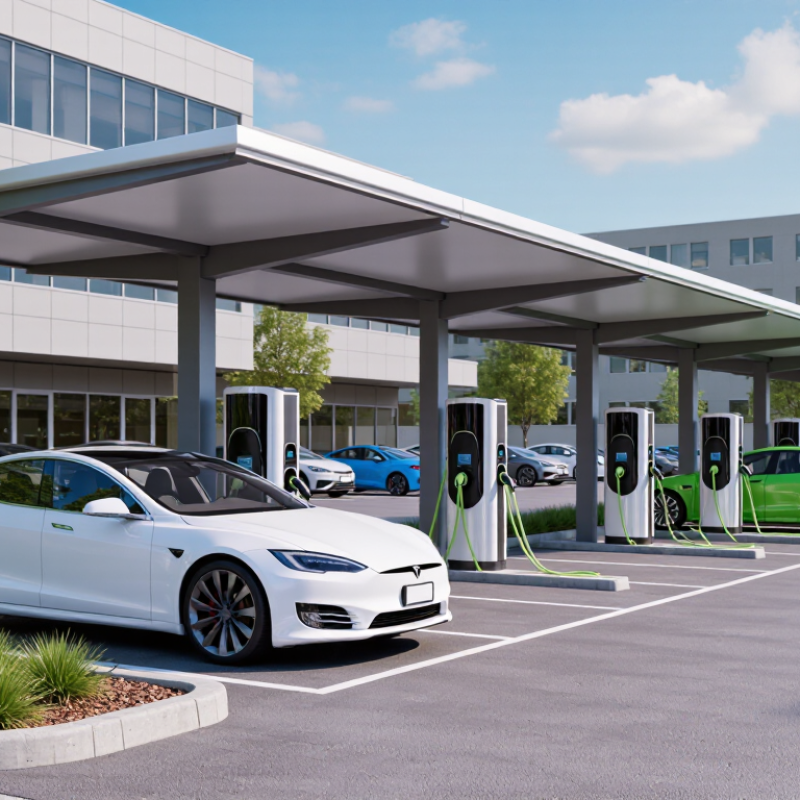
New South Wales offers several ways to charge an electric vehicle: at home, at work, or at public stations. Public options include slower AC chargers near shops and car parks, and faster DC units on some major travel routes. Charging time varies with the vehicle, charger output, battery temperature, and current charge level. A fast charger does not guarantee a quick stop.
For daily driving, a home charger can make charging part of an overnight routine, if suitable parking and electrical capacity are available. Renters and apartment residents may have fewer convenient choices. Public charging can help, but availability differs between busy city areas and regional towns. That matters. Before a longer trip, check the charger’s current status, access hours, connector type, and nearby alternatives. A map pin can look reassuring, but a unit may be occupied or out of service.
NSW’s network is growing, yet coverage is not even. Some regional routes have longer gaps between stations, so distance, weather, and driving conditions deserve attention. Charging stops can also take longer than a quick fuel stop, especially when several drivers arrive together. Planning helps, though it cannot remove every inconvenience. The experience still depends on where you live and how you travel.
Electric car charging in NSW generally falls into three groups: home charging, public AC charging, and rapid DC charging. Each suits a different routine. A home charger can replenish a car overnight while it sits in a driveway or garage. A standard household outlet may also work, but charging is slower and the circuit should be checked by a qualified electrician. It is not a quick fix for every household.
Public AC chargers are often found at shopping centres, workplaces, and car parks. They suit longer stops, such as a few hours at work or while shopping. Charging speed depends on both the station and the vehicle’s onboard charger. The plug may fit, but the car can still limit the rate. Small detail, big difference.
DC fast chargers are designed for shorter stops, especially on longer journeys. They are commonly placed near major roads and travel routes, though coverage can vary between cities and regional areas. Drivers should check connector compatibility and live availability before setting out. A charging map is useful, but not infallible. The categories sound tidy; real trips can be less predictable, particularly when a station is busy or out of service.
Why Choose an Electric Car Charging Station in NSW?
Key Benefits of Choosing a Charging Station in NSW
A dependable charging station can make everyday electric driving feel simpler. In Sydney, it may mean topping up while shopping instead of making a separate trip. On regional journeys, a well-placed station can help drivers plan breaks around charging. Convenience matters, but so do clear pricing, working equipment, and safe access. Small details count.
The International Energy Agency’s Global EV Outlook 2024 reports that public charging points grew by nearly 40% worldwide in 2023. Public fast chargers grew by 55%. This expansion offers drivers more charging options, though availability still varies between NSW towns and suburbs. A station’s advertised power is not always the speed your car receives; vehicle limits and shared power can affect charging time. Check actual station details before relying on a tight travel schedule.
Tips: Check connector compatibility, operating hours, access fees, and recent status updates before setting out. For regular use, compare the station’s location with your usual routes. Leave a little time in your plan. Charging should reduce stress, not become another race.
Choosing a charging station starts with your real routine, not its headline speed. Check your vehicle’s connector and maximum AC and DC charging rates in its handbook. A 150 kW unit cannot charge every car at 150 kW. Battery temperature and charge level can slow it further. Short trips and overnight parking may suit a home charger; apartment residents may depend more on reliable public points. No driveway? Plan around chargers near work, shops, or regular routes. Convenient beats impressive.
For longer NSW drives, map chargers along your route and check their operating status before leaving. The International Energy Agency’s Global EV Outlook 2024 reported that public charging points worldwide grew by 40% in 2023, while fast chargers grew by 55%. That is global growth, not a guarantee of availability in your suburb. I still find it easy to overvalue peak kilowatts. Look instead at charging time, payment options, accessibility, and nearby backup chargers. A ten-minute detour can matter on a tight day. Test your usual route once; your habits may be less predictable than your spreadsheet.
| Why Choose an Electric Car Charging Station in NSW? - How to Choose a Station for Your Vehicle and Driving Habits | ||||
|---|---|---|---|---|
| Charging option | Typical power | Best suited to | Approximate charging time | What to check |
| Standard household power point | About 2.3 kW | Occasional or low-distance driving when a vehicle can remain parked for many hours. | About 26 hours for 60 kWh, from empty to full, before charging losses. | Use only equipment approved for the vehicle and a suitable electrical circuit. Have an electrician assess the outlet and installation. |
| Single-phase AC home charger | Commonly up to 7.4 kW | Regular overnight charging at home and typical daily commuting. | About 8–10 hours for 60 kWh, from empty to full; actual time depends on the vehicle and losses. | Confirm the vehicle’s maximum AC charging rate, available electrical capacity, cable reach and installation requirements. |
| Three-phase AC charger | Commonly 11 kW or 22 kW | Drivers with three-phase supply, higher daily energy needs or longer parking periods at work or other destinations. | At 11 kW, about 5.5–7 hours for 60 kWh, from empty to full. A 22 kW unit may not charge faster if the vehicle has a lower AC limit. | Check both the site’s electrical supply and the vehicle’s onboard AC charging limit. A higher-rated unit does not guarantee a higher charging speed. |
| Public DC fast charger | Often around 50 kW | Top-ups during errands or longer journeys when the vehicle supports DC charging. | Approximately 45–75 minutes for a 60 kWh battery from 10% to 80%; charging speed usually slows as the battery fills. | Check connector compatibility, payment method, access hours and whether the site is available. Battery temperature and vehicle limits affect charging speed. |
| High-power public DC charger | Often 150 kW or higher | Long-distance travel and shorter stops, provided the vehicle can accept high DC power. | For some vehicles, around 20–40 minutes from 10% to 80%; the result varies considerably by vehicle and conditions. | The charger’s advertised maximum is not a guaranteed vehicle charging rate. Check the vehicle’s DC limit and the charger’s connector before travelling. |
| Vehicle and connector compatibility | Depends on the vehicle and charger | Every driver choosing a home, workplace or public charging point. | Compatibility affects whether charging is possible and how quickly it proceeds. | Many Australian vehicles use Type 2 for AC charging and CCS2 for DC fast charging; some models use other connectors. Verify the exact connector in the vehicle handbook or charging-port information. |
| Driving distance and parking routine | Match charger power to daily energy use | Drivers choosing between home charging, destination charging and public fast charging. | A car parked overnight can often use slower AC charging; frequent long trips may make accessible DC charging more important. | Consider daily kilometres, overnight parking, home charging access and the locations of chargers along regular NSW routes. |
| Time estimates: Illustrative calculations for a 60 kWh battery. Actual charging times vary with battery size, starting charge, vehicle charging limits, temperature, battery condition, charger sharing and charging losses. DC charging commonly slows as the battery approaches a high state of charge. | ||||
An NSW home-charging quote should separate the charger, cabling, labour, and any switchboard work. A short cable run beside a modern switchboard may cost less than a garage installation requiring trenching or upgrades. Costs vary. The Electric Vehicle Council’s State of EVs 2024 report counted more than 1,000 public charging locations nationally. That figure shows network growth, but it does not indicate home-installation prices. Ask for an on-site assessment and a written quote covering GST, cable length, load management, and commissioning. Ask directly.
Safety starts with a licensed electrician. NSW Fair Trading requires electrical wiring work to be carried out by appropriately licensed professionals. The installation must also meet applicable requirements, including AS/NZS 3000:2018, the Wiring Rules. Ask the electrician to check your home’s supply capacity and specify suitable circuit protection before work begins. A dedicated circuit and post-installation testing help ensure the charger operates safely. Keep the paperwork. A tidy cable run can still conceal an overloaded circuit, so appearance alone is not evidence of a safe installation.
The main options are home charging, public AC charging, and rapid DC charging. Each suits a different routine.
Yes, but charging is slower. Have the circuit checked by a qualified electrician. It may not suit every home.
They are often located at shopping centres, workplaces, and car parks. They suit longer stops, such as a few hours of shopping.
Your car’s onboard charger may limit the charging rate. Shared station power can also affect speed. Small detail, big difference.
Check connector compatibility, access fees, opening hours, and current availability. Maps help, but they are not infallible.
Quotes may include the charger, cabling, labour, and switchboard work. Trenching or electrical upgrades can add costs. Ask for a written quote.
Use an appropriately licensed electrician. Ask them to check supply capacity, circuit protection, and installation requirements. Keep the paperwork.
Check stations along your route and leave extra time. Coverage varies between towns, and a station may be busy or out of service. Plans wobble.
Choosing an Electric Car Charging Station Nsw can make electric vehicle ownership more convenient, whether you charge at home, at work, or while travelling. New South Wales offers a growing range of charging options, including slower chargers suited to overnight use and faster stations designed to reduce waiting time on longer journeys. The right choice depends on your vehicle’s charging capacity, your typical driving distance, access to off-street parking, and how quickly you need to recharge.
A suitable station can help simplify daily charging, support better trip planning, and make use of available charging locations across the state. Before choosing, compare charger speed, compatibility, installation needs, and expected costs. For a home installation, consider the electrical capacity of the property and have the work assessed and completed by a qualified professional in line with applicable NSW requirements. Understanding safety considerations and ongoing costs can help you select a practical charging solution that fits both your driving habits and your budget.
