
In recent years, the demand for efficient electric vehicle charging solutions has surged. The rise of the DC Fast Charger industry reflects this trend, especially in China. Industry expert Dr. Anna Zhang states, "DC Fast Chargers are crucial for the rapid adoption of electric vehicles worldwide." Her insights resonate with the growing need for reliable charging infrastructure.
China’s advancements in DC Fast Charger technology are noteworthy. With top manufacturers like BYD and NIO, the country is leading the charge, pun intended. These chargers can provide significant range in minimal time, showcasing their potential impact on EV accessibility. However, the challenge lies in standardization. Many models exist, which can lead to compatibility issues for global buyers.
Furthermore, there's a pressing need to balance rapid growth with sustainability. As the market evolves, buyers must consider which models offer both efficiency and reliability. Unfortunately, not all products meet these standards. There’s an ongoing conversation about the best choices for international consumers. With so many options available, thorough research is essential for making informed decisions in this dynamic market.
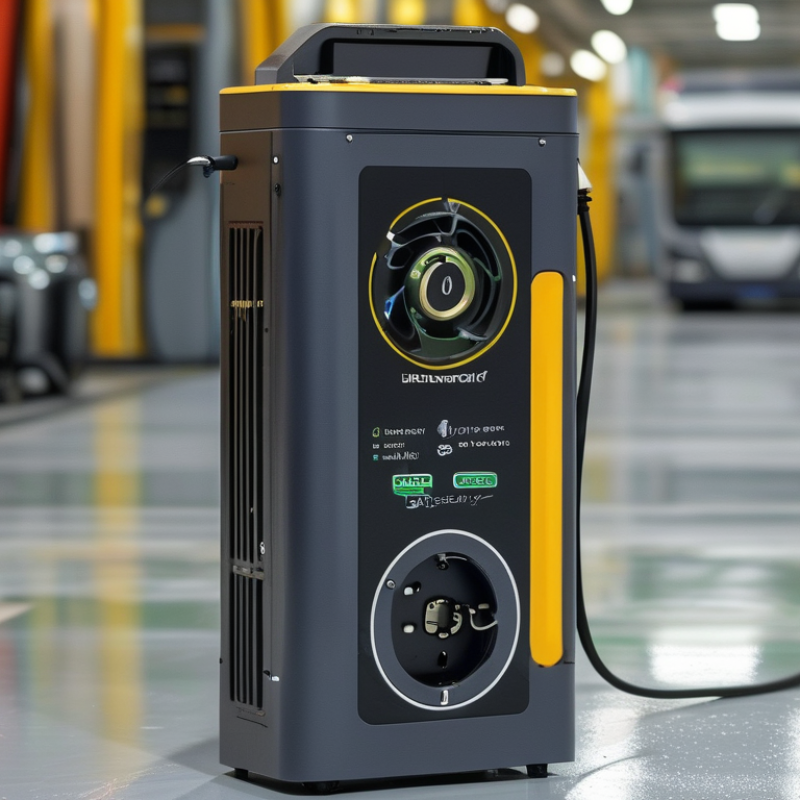
DC fast charging technology in China has evolved rapidly in recent years. This innovation supports the growing demand for electric vehicles (EVs). Various charging stations now offer high power output, drastically reducing charging time. Users can achieve up to 80% battery capacity in about 30 minutes. Such convenience appeals to many potential EV buyers.
In China, the infrastructure for DC fast charging is expanding quickly. Cities are prioritizing installation in urban areas, making charging accessible. However, the inconsistency of charging networks poses a challenge. Not all stations support the same EV models, which can frustrate users. Regular maintenance is also crucial to ensure reliability, but it is often overlooked.
The focus on rapid charging technology is impressive, yet there are still issues to address. Continuous advancements in battery technology are needed to extend EV range. Additionally, education about charging technology is essential for potential buyers. They need to understand how to maximize efficiency and ensure the lifespan of their vehicles. It’s an exciting time for DC fast charging, but the journey is far from perfect.
The rapid growth of electric vehicle (EV) adoption in China has led to an increased demand for DC fast chargers. These chargers are crucial for reducing charging time, making long-distance travel feasible. Recent industry reports indicate that the DC fast charging market in China is projected to reach $10 billion by 2025, highlighting its importance in the EV ecosystem.
Key features of leading DC fast charger models include high power output, compatibility with various vehicles, and advanced safety features. Most models offer charging times of around 30 minutes for an 80% charge. This convenience is a critical factor for users. Moreover, many chargers are designed with user-friendly interfaces and connectivity options like mobile applications for real-time tracking of charging status.
Tips for choosing the right DC fast charger include considering the charger’s output power and vehicle compatibility. Not all chargers fit every vehicle, and knowing your car's requirements is essential. Evaluate the charger’s location availability. Accessibility can significantly reduce charging time. Lastly, prioritize models with robust safety features. Safe charging should never be compromised for speed. These considerations will ensure a reliable and efficient charging experience.
When considering DC fast chargers, performance and pricing are crucial. Various chargers have unique specifications and costs, making comparisons necessary for buyers. Some models excel in charging speed, providing up to 350 kW, perfect for quick top-ups. Others offer reliable performance with lower peak outputs but at a more accessible price point. This balance between performance and cost can impact the overall investment for global buyers.
Investing in a charger requires careful thought. Analyze your location's energy requirements. While some chargers may seem cheap, additional installation costs can add up. Look for models that ensure efficient energy use over time. Reading reviews from users can provide insights into long-term reliability and actual experience with performance.
When comparing pricing, assess if the upfront cost aligns with the features provided. Certain chargers come with advanced syncing technology, which can enhance usage efficiency. This feature may justify a higher price, making it worth the investment. However, not all high-priced models deliver the expected value, so do thorough research to avoid future regrets.
The electric vehicle (EV) charging sector in China is rapidly evolving. Consumer preferences are shifting towards more convenient and efficient charging solutions. This trend is reflected in the growing demand for DC Fast Chargers, which significantly reduce charging time compared to traditional options.
It’s essential to evaluate charging infrastructure when considering an EV purchase. The quality and availability of DC Fast Chargers can greatly influence owner satisfaction. For instance, urban areas are seeing a surge in fast-charging station installations. However, rural regions often lack sufficient coverage, creating gaps in accessibility.
Thinking about upgrading your charging solution? Look into local regulations and available services. An understanding of these factors will enhance your charging experience. Choosing chargers that are compatible with various EV models can save time and hassle. The future of China's charging market holds promise, but it's crucial for consumers to stay informed about these developing trends.
| Rank | Charging Power (kW) | Compatible Standards | Average Charging Time (minutes) | Price (USD) | Market Share (%) |
|---|---|---|---|---|---|
| 1 | 300 | CCS, CHAdeMO | 30 | 15,000 | 25 |
| 2 | 250 | CCS | 40 | 12,000 | 20 |
| 3 | 200 | CHAdeMO | 50 | 10,000 | 15 |
| 4 | 180 | CCS, CHAdeMO | 55 | 9,500 | 10 |
| 5 | 150 | CCS | 60 | 8,000 | 8 |
| 6 | 120 | CHAdeMO | 70 | 6,500 | 5 |
| 7 | 100 | CCS | 75 | 5,000 | 3 |
| 8 | 80 | CHAdeMO | 90 | 4,800 | 2 |
| 9 | 60 | CCS, CHAdeMO | 100 | 3,500 | 1 |
| 10 | 40 | CCS | 120 | 2,000 | 0.5 |
China's DC fast charging infrastructure is expanding rapidly. As electric vehicles gain popularity, the need for efficient charging solutions grows. Current facilities often fail to meet the increasing demand. This gap can hinder the adoption rates of electric vehicles.
Experts suggest that future developments must focus on integrating renewable energy sources. This could enhance the sustainability of charging stations. Smart technology should also play a crucial role in optimizing the user experience. However, logistical challenges may slow progress. Not all cities have the same level of infrastructure investment. This inconsistency can frustrate users in less developed regions.
Additionally, the market needs to prioritize standardization. Diverse charging protocols complicate the user experience. Stakeholders must engage in meaningful dialogue to address these issues. A unified approach could foster a more reliable network. Clearly, while progress is evident, significant hurdles remain. Achieving a robust charging infrastructure requires collaboration and innovation.
: It significantly reduces charging time, allowing users to reach 80% battery in about 30 minutes.
The infrastructure is expanding quickly, especially in urban areas, making charging more accessible for users.
Not all stations support the same EV models, which can be frustrating for users trying to charge their vehicles.
Regular maintenance ensures reliability, but it is often overlooked, leading to inefficiencies and downtime.
Consider performance, pricing, and location energy needs to make an informed investment decision.
Additional installation costs can make seemingly cheap chargers more expensive over time, affecting your budget.
Buyers need education on maximizing efficiency and extending the lifespan of their EVs through proper charging practices.
Not necessarily. Some high-priced models may not deliver expected value; thorough research is essential.
Advanced syncing technology can improve efficiency but may come with a higher price tag.
Yes, advancements in battery technology and user education are critical areas that need attention for future growth.
The article explores the landscape of DC Fast Chargers in China, emphasizing the significance of this technology in the electric vehicle (EV) sector. It offers an overview of how DC Fast Charging technology operates and highlights the key features of the leading charger models currently available in the market. Through a comparative analysis of performance metrics and pricing, readers gain insights into the best options for global buyers seeking effective charging solutions.
Furthermore, the article delves into market trends and consumer preferences in China’s EV charging sector, illustrating the shifting dynamics as demand for efficient charging grows. It also discusses future prospects for the DC Fast Charging infrastructure, indicating the potential for enhancements in technology and expansion in availability as the electric vehicle market continues to evolve.
