
As the world shifts towards sustainable energy, DC EV charging stations are essential for electric vehicle growth. In 2026, global buyers will seek reliable infrastructure. Choosing the right charging station can impact user convenience and energy efficiency.
DC EV charging stations offer fast charging, reducing downtime on the road. However, accessibility remains a concern. Not all regions have sufficient stations. This raises questions about the infrastructure’s readiness for increased electric vehicle adoption.
Buyers should look for stations with advanced technology and user-friendly features. Reliable networks enhance the experience. It’s crucial to consider location and service availability. As we explore the top DC EV charging stations for 2026, we reflect on the journey ahead and the challenges we face in this dynamic market.
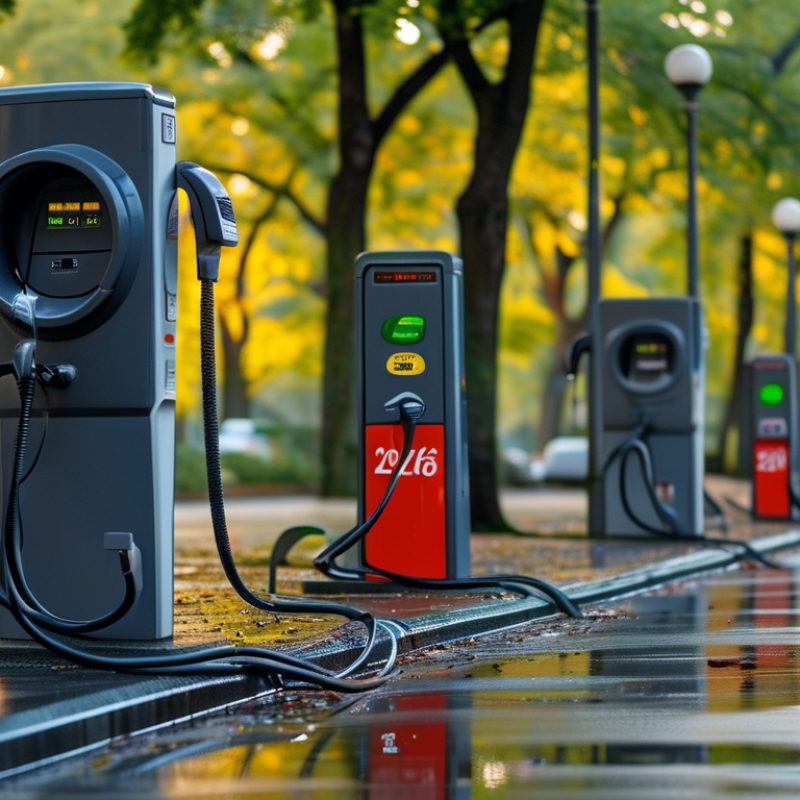
The global electric vehicle (EV) charging station market is expected to grow significantly by 2026. According to recent industry reports, the market is projected to reach a value of over $30 billion. This rapid expansion is driven by the increasing adoption of electric vehicles, government initiatives, and advancements in charging technology.
In 2022, there were approximately 2.2 million public EV charging stations worldwide. By 2026, this number is anticipated to exceed 5 million. This growth introduces both opportunities and challenges. The infrastructure must keep pace with the rising demand for charging options. Several regions face the risk of inadequate charging installations, potentially hindering EV adoption.
Furthermore, the market is increasingly competitive. A diverse range of stakeholders, including energy companies and tech innovators, are entering the space. While this competition drives innovation, it can also lead to fragmentation. Standardization of charging networks will be crucial for the future. Stakeholders need to collaborate effectively to create a seamless experience for EV users.
The DC fast charging station industry is evolving rapidly. It plays a crucial role in supporting the shift to electric vehicles. Key players focus on providing efficient charging solutions. They prioritize speed and reliability. This ensures users can charge their EVs quickly, aiding their daily commutes.
Tips for choosing the right charging station: Look for locations that offer 150 kW or more. Stations meeting this threshold enable faster charging. Also, consider the payment options available. Flexible payment methods enhance user experience. Beyond that, check if the station supports multiple vehicle types. This inclusivity can save time and effort during your travels.
The landscape of DC charging is changing. Some areas still lack proper infrastructure. This is a challenge for many EV users. Developers are working hard to fill these gaps. Promising locations are emerging, but consistency is key. Users need to be able to depend on charging networks wherever they go. With this dynamic environment, staying informed is essential for all EV enthusiasts.
As we look toward 2026, the evolution of electric vehicle (EV) charging technologies offers promising solutions for global buyers. According to the latest reports, advancements in fast-charging technology are crucial. Studies suggest that by 2026, charging stations may reduce the average time to recharge a vehicle to just 15 minutes. This shift can encourage more users to adopt EVs, addressing commonly expressed range anxiety.
Moreover, integration of renewable energy sources is gaining traction. Data from industry research indicates that over 40% of new charging stations will utilize solar or wind energy by 2026. This not only enhances sustainability but also decreases operational costs for station owners. However, the implementation of these innovations faces challenges. Infrastructure upgrades are often needed, and city planners must navigate complicated regulations.
In terms of accessibility, reports reveal that about 30% of current charging networks are not optimally located. This misalignment can hinder the growth of the EV market. Improvement in station placement will be critical by 2026. Technology must evolve to create smarter, more user-friendly charging solutions, ensuring a seamless experience for consumers.
As the world shifts toward sustainable transportation, the demand for EV charging infrastructure continues to rise. By 2026, a significant investment trend is expected. Governments and companies are allocating more resources to enhance charging networks globally. This trend reflects a commitment to support electric vehicle adoption.
Projected growth in EV charging stations focuses on urban areas. More charging points will appear in densely populated regions. Yet, challenges remain. Not all locations can accommodate charging stations due to space limitations. This reality may lead to unequal access. Urban planners must adapt to ensure widespread availability.
Investment trends show an emphasis on fast-charging technologies. These innovations can reduce charging time significantly. However, the integration of new technologies must be carefully managed. Overreliance on one technology could hinder competing solutions. Addressing this balance is crucial for sustainable development in EV charging infrastructure.
| Charging Station Location | Max Output (kW) | Number of Chargers | Estimated Installation Year | Investment Amount (Million $) |
|---|---|---|---|---|
| City A | 350 | 20 | 2026 | 25 |
| City B | 300 | 15 | 2025 | 20 |
| City C | 250 | 12 | 2027 | 15 |
| City D | 400 | 25 | 2026 | 30 |
| City E | 500 | 30 | 2026 | 40 |
Consumer preferences play a vital role in the usage of EV charging stations. Research by the International Energy Agency highlights that over 70% of EV owners prefer charging at home. However, public stations are essential for long trips. A recent survey indicates that 60% of users choose stations with convenient locations and fast charging capabilities. Speed and accessibility are critical factors influencing their decisions.
Tips: Always check the availability of charging stations along your travel route. Apps can offer real-time data on station locations and wait times.
Charging station usage also varies by demographics. Younger drivers often prioritize technology features, such as in-app payment options. Meanwhile, older consumers may seek simplicity and reliability. Notably, environmental concerns influence many consumers. According to a report, 80% of EV owners feel a sense of responsibility towards sustainable practices.
Tips: Take the time to understand the charging networks in your region. Not all stations operate the same way. Selecting a transparent and user-friendly network can enhance your experience.
: The market is expected to exceed $30 billion by 2026.
In 2022, there were about 2.2 million public charging stations worldwide.
By 2026, the number of stations may surpass 5 million.
Infrastructure must keep pace with demand to avoid inadequate installations.
It is crucial for standardizing networks and enhancing the user experience.
A significant increase in investments is projected for charging networks globally.
New charging points are expected to appear primarily in urban areas.
Space limitations may create unequal access to charging options.
There is an emphasis on fast-charging technologies to reduce charging times.
It may hinder the development and competition of alternative solutions.
The article titled "2026 Top DC EV Charging Stations for Global Buyers" provides a comprehensive overview of the global electric vehicle (EV) charging station market, with a focus on DC EV charging stations. It discusses the key players in the DC fast charging station industry and highlights the significant technological advancements expected by 2026. The article also examines projected growth and investment trends in EV charging infrastructure, indicating an increasing commitment to expand this essential service as demand for electric vehicles surges. Furthermore, it analyzes consumer preferences and behaviors that influence the usage of charging stations, illustrating the importance of aligning infrastructure development with user needs in order to foster a more sustainable transportation future.
