
When evaluating the choice of a DC charging station with a capacity of 300 kW, industry insights are invaluable. According to Dr. Emily Wong, an expert in electric vehicle infrastructure, “The right charging station can significantly expedite EV adoption.” Choosing the correct DC Charging Station 300 kW is not only about power. It's also about reliability, installation costs, and future-proofing your investment.
Moreover, one must consider the location and frequency of use. A suitable site can enhance accessibility and convenience. Each installation presents unique challenges and opportunities. Some stations may face limitations in power supply and grid compatibility. It’s important to anticipate these potential issues.
Lastly, the growing demand for high-capacity charging highlights the need for quality assurance. However, not all vendors provide comprehensive after-sales support. Balancing initial costs with long-term benefits is crucial. Reflecting on these factors leads to more informed decisions in selecting a DC Charging Station 300 kW.
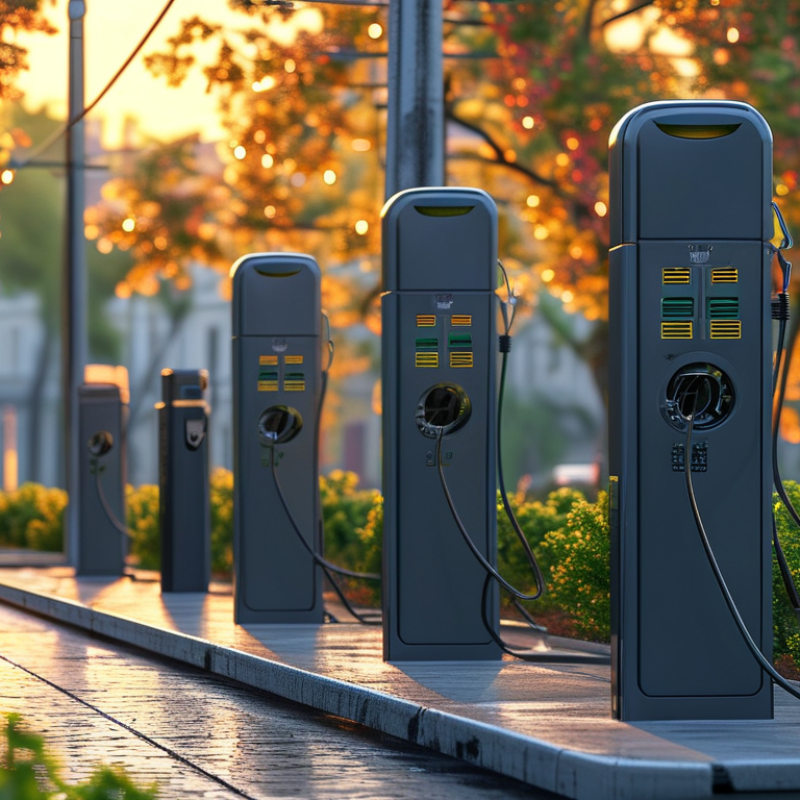
When evaluating key power requirements for a 300kW DC charging station, it is essential to understand its power input needs. A charging station of this capacity typically requires a high-voltage source. Most installations connect to three-phase power. Voltage levels often range from 380V to 480V, depending on the region. This ensures efficient power transfer while minimizing energy loss.
Another critical factor is the charging time. A well-optimized station can significantly reduce charging durations for electric vehicles. Ideally, a full charge should take under an hour for most vehicles. Operators must also account for potential peak load scenarios. Such situations could strain local power grids. Planning for peak demand can prevent outages and ensure reliability in service.
Temperature regulation is another aspect. Charging stations operate optimally within specific temperature ranges. Excess heat can degrade components and affect performance. Proper ventilation or cooling systems become vital to maintain functionality. Systems set up in harsher climates may encounter additional challenges. Therefore, regular assessments and maintenance are crucial.
When selecting a 300kW DC charging station, understanding
charging standards and compatibility is crucial.
The market is diverse, with various charging technologies in use. Different electric vehicles (EVs)
can support different standards like CCS, CHAdeMO, and Tesla Supercharger,
which affects the station's effectiveness.
According to a recent industry report, around 70% of EVs on the market
are compatible with CCS charging. This standard is rapidly
becoming the primary choice for fast charging due to its speed and efficiency. However,
chargers must also consider regional variations, as Japan and the U.S. often prefer CHAdeMO,
while Europe leans towards CCS. When a station doesn't support all common standards,
potential users may be left stranded.
Several tips can help in this decision-making process. Verify the number of compatible vehicles
in your area. Understanding the charging needs of your fleet or community is essential. Additionally, ensure
that the station's software is up-to-date, as firmware can impact compatibility and performance significantly.
Future-proofing your investment is vital, especially as new EVs enter the market. Remember, flexibility in
charging standards ensures that EV users are not limited in their options.
When selecting a 300kW DC charging station, site location and infrastructure play a critical role. The chosen site must be easily accessible to electric vehicle (EV) users. Proximity to busy roads or transport hubs can significantly increase utilization rates. According to a recent report by the International Energy Agency (IEA), well-located stations can see usage rates double compared to those in remote areas.
Infrastructure considerations are equally vital. The site must have sufficient electrical capacity to support high-demand charging. Adding a 300kW charger may strain existing utility connections, especially in urban areas. Incorporating smart grid technology can help manage energy loads efficiently. Data from the U.S. Department of Energy suggests that nearly 30% of charging stations in metropolitan areas face capacity issues due to inadequate infrastructure.
Tips: Assess the existing utility systems. Collaborate with local energy providers to understand grid limitations. Conduct regular infrastructure audits to foresee future needs. Monitor your charging station's usage patterns; this data can inform decisions regarding upgrades and expansion.
Additionally, consider the availability of parking spaces and safety features for users. High-quality lighting and clear signage enhance user experience and safety. Remember that the right location not only attracts users but can also encourage repeat visits.
| Consideration | Details |
|---|---|
| Location Accessibility | Ensure the site is easily accessible from major roads and high traffic areas. |
| Power Supply Capacity | Check if the location has a reliable electrical supply that can support a 300kw load. |
| Space Requirements | Verify that there is sufficient space for the station, including vehicle maneuvering space. |
| Local Regulations | Investigate zoning laws and building codes that may affect installation. |
| Safety Considerations | Ensure compliance with safety standards and understand fire safety measures required. |
| Future Expansion | Consider if there’s potential for future growth in charging demand. |
| Nearby Amenities | Proximity to cafes, shopping centers, or waiting areas for users during charging. |
| Environmental Impact | Assess the environmental impact of the charging station installation. |
When considering a 300kW DC charging station, cost analysis and budget planning are critical. Initial installation often ranges from $100,000 to $150,000, depending on location and infrastructure requirements. This upfront cost can deter potential buyers. However, breaking down expenses reveals significant factors. For instance, site preparation and utility upgrades can account for 30% of total expenses.
Operating costs also impact long-term budget planning. Research shows that energy costs can average $0.05 to $0.10 per kWh, depending on regional utility rates. Therefore, a station's location and the expected number of daily charges are vital. If the demand is high, a charging station may become profitable within a few years. Yet, if foot traffic is low, recovery of costs takes longer.
Maintenance and service fees should not be overlooked. Estimates suggest that annual maintenance can cost between $2,000 and $5,000. These ongoing costs can accumulate quickly. Stakeholders must also consider battery technology evolving rapidly. Investing in the latest equipment may lead to obsolescence in just a few years. This uncertainty demands careful evaluation and foresight when planning your budget.
When choosing a 300kW DC charging station, scalability is key. As e-mobility needs grow, the infrastructure must adapt. Stations should offer modular components. This allows for easy upgrades. For example, adding more charging connections or increasing power output can meet rising demand. Fleets and public charging stations might face increased usage in the coming years.
Future-proofing should be a major consideration. It’s critical to evaluate future technologies. What works today may not suffice tomorrow. Smart charging capabilities are becoming essential. These features enable efficiency and better energy management. Additionally, consider renewable energy integrations. There may be local incentives for eco-friendly setups.
Some users may overlook maintenance requirements. Regular checks can prevent costly issues. Accountability is vital for performance. More sites will emerge. Thus, ensuring compatibility with various electric vehicle models is important. A flexible, robust system will serve operators better. Having a plan for these evolving needs is a necessity.
: Different EVs support different standards like CCS and CHAdeMO. Compatibility affects charging effectiveness.
Approximately 70% of EVs on the market are compatible with CCS charging technology.
Japan and the U.S. often prefer CHAdeMO, while Europe tends to favor CCS for fast charging.
Consider scalability. Modular components allow easy upgrades for increased demand in the future.
Smart charging capabilities and renewable energy integrations improve energy management and operational efficiency.
Regular checks can prevent costly performance issues and ensure the system operates effectively.
Ensure the software is up-to-date, as firmware impacts compatibility and performance significantly.
Verify the number of compatible vehicles in your area to better assess charging requirements.
Users may be stranded if the station doesn’t support all common charging standards.
Technologies change quickly. What works now may not be sufficient for future needs.
When considering the installation of a DC Charging Station 300kW, several key factors must be evaluated to ensure optimal performance and future readiness. Understanding the power requirements is crucial, as a 300kW station provides fast charging capabilities essential for high-demand environments. Additionally, familiarity with various charging standards and compatibility ensures that the station can effectively serve a diverse range of electric vehicles.
Location and infrastructure also play a critical role; selecting a site with ample space and necessary utilities can significantly influence installation efficiency. Cost analysis and diligent budget planning are vital to manage the financial aspects of installation without compromising quality. Lastly, future-proofing the station to accommodate upgrades and scalability will be essential to meet the evolving demands of e-mobility.
