
When considering which DC fast charging station to buy, the decision can feel overwhelming. Industry expert John Smith, a leading figure in electric vehicle infrastructure, emphasizes, “Selecting the right charging station is crucial for maximizing efficiency.” His insights underline the importance of understanding your specific needs.
DC fast charging stations provide quick and convenient options for EV users. However, not all charging stations are created equal. For instance, homeowners may prefer a compact model while businesses might need higher capacity units. Evaluating factors like charging speed, compatibility, and cost is essential.
The best choice often requires reflection on numerous elements. The charging station must fit within the existing infrastructure and budget. Additionally, think about future needs, such as potential expansions in usage. This approach can help ensure that your investment in a DC fast charging station serves you well for years to come.
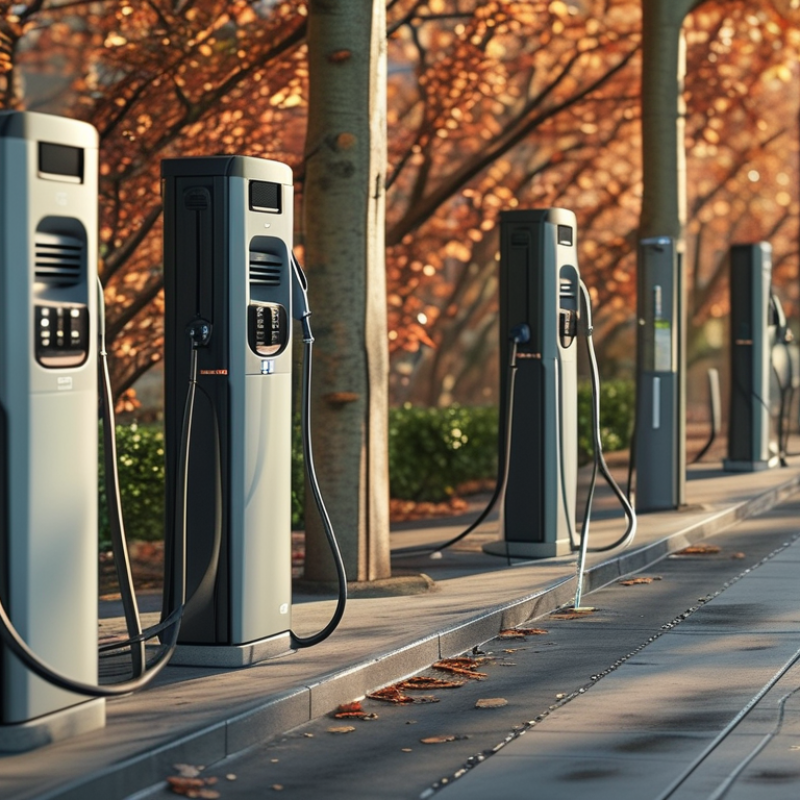
DC fast charging stations are essential for electric vehicle (EV) owners. They reduce charging time significantly—often to around 30 minutes for an 80% charge. According to the U.S. Department of Energy, DC fast chargers can deliver power levels between 50 kW and 350 kW. This robust capability makes long-distance travel feasible for EV users.
The benefits of these stations extend beyond convenience. DC fast charging enhances the overall EV ownership experience. The Electric Power Research Institute states that fast charging infrastructure can increase EV adoption rates by over 20%. However, it's crucial to ensure that the fast charging stations are compatible with various vehicle models. Not all chargers work with every EV, potentially leading to frustration.
Accessibility remains a critical factor. Many urban areas still lack adequate DC fast charging infrastructure. Reports indicate that close to 60% of potential EV owners consider charging availability a significant concern. Addressing this issue is vital to foster wider acceptance and confidence in electric vehicles. It's essential to evaluate these factors when choosing the best DC fast charging station. Balancing speed, compatibility, and availability will guide you towards a more satisfying charging experience.
When choosing a DC fast charging station, several key features deserve your attention. Consider the charging speed first. Different stations have varying power outputs, affecting how quickly your vehicle charges. A unit that delivers 150 kW may not suit everyone, especially if your vehicle supports only up to 50 kW. Check compatibility with your electric vehicle model to avoid disappointment.
Another important aspect is the connectivity options a charging station provides. Look for stations that offer both CCS and CHAdeMO connectors. This feature ensures that you can charge a wider range of electric vehicles. Additionally, assess whether the charging station has real-time communication capabilities, such as mobile app support. Obtaining updates about charging status can enhance your experience.
Finally, think about the location and accessibility of the stations. Are they in convenient spots? Are they easy to locate? It's essential to choose stations that suit your typical driving routes. Accessibility can fluctuate, and sometimes you might find units that are out of service. Regular maintenance is crucial for reliable performance. These factors directly impact your decision-making, so weigh them carefully.
When selecting a DC fast charging station, understanding your power needs is crucial. Factors like charging speed, compatibility, and power output play significant roles. Most electric vehicles (EVs) today can handle charging rates between 50 kW and 350 kW. According to a report from the International Energy Agency (IEA), charging stations with higher power outputs are most beneficial for long-distance travel.
Another consideration is the charging profile of your EV. Some vehicles have optimal charging rates that allow for maximum efficiency. A recent study indicates that charging an EV from 20% to 80% can be done in under 30 minutes with appropriate fast charging technology. However, not all DC chargers are created equal. A mismatch could lead to slower charging times and potential battery wear, highlighting the need for research before purchase.
Location also matters. Studies show that accessibility to high-speed charging stations significantly impacts user satisfaction. Inadequate infrastructure can lead to frustration for EV users. Checking the availability of fast chargers in your area can guide your choice. The right station can enhance your EV experience, but finding it requires careful consideration of these parameters.
This chart compares the charging power output (in kW) of various common DC fast charging station types against the average power needs of different electric vehicle models.
When considering a DC fast charging station, costs are a significant factor. Installation expenses vary widely. According to a 2022 report, average installation costs can range from $3,000 to $50,000. Factors influencing costs include electrical infrastructure and location. In urban areas, installation may be pricier due to permitting and compliance regulations. For rural installations, infrastructure upgrades may also drive costs higher.
Usage fees are another consideration. Many stations implement pay-per-use models. A study by the International Council on Clean Transportation found that average charging costs range from $0.10 to $0.40 per kWh. These rates reflect energy consumption, network fees, and maintenance expenses. Owners must also account for maintenance costs over time. Annual servicing can vary but may range from $200 to $1,500. The complexity of the charging technology can impact these fees.
Understanding total ownership costs is essential. Users are often surprised by hidden fees. Regular maintenance and unexpected repairs can lead to unanticipated expenses. Balancing installation and ongoing costs is crucial for long-term success. Conducting thorough research and obtaining quotes will provide a clearer picture of the total investment required.
| Feature | Cost (USD) | Installation Fee | Maintenance Fee | Usage Fee (per kWh) |
|---|---|---|---|---|
| Standard DC Charger | $30,000 | $5,000 | $500/year | $0.20 |
| Fast DC Charger | $50,000 | $10,000 | $750/year | $0.25 |
| Ultra-Fast DC Charger | $80,000 | $15,000 | $1,000/year | $0.30 |
| Public Charging Station | $40,000 | $8,000 | $600/year | $0.18 |
When considering a DC fast charging station, location and accessibility should be at the forefront of your decision. Research indicates that over 70% of electric vehicle (EV) drivers prioritize charging station proximity when planning their routes. This highlights the need for charging stations to be strategically placed in high-traffic areas, such as shopping centers, highways, and business districts. Access to these stations can greatly influence the overall EV experience.
Thinking about accessibility means more than just geographical location. Stations must be easy to access, with ample parking and clear signage. Data suggests that poorly located stations can lead to roughly 30% underutilization. This wasted potential can frustrate drivers, creating a sense of inefficiency. Furthermore, if charging stations are too far from essential services or rest areas, drivers may be dissuaded from using them.
Consider future growth. Locations that currently seem optimal may not serve future demands. Urban areas predict a surge in EV adoption, potentially overwhelming existing infrastructure. Some reports estimate that EV ownership could reach 26 million by 2030 in urban centers. Such growth necessitates proactive planning. Failure to adapt can result in long wait times and deter users from transitioning to electric vehicles. This situation calls for a careful evaluation of both current use and future needs.
: Charging to 80% typically takes about 30 minutes at these stations.
They deliver power levels between 50 kW and 350 kW, depending on the station.
Not all chargers work with every electric vehicle, leading to potential frustration.
About 60% are worried about charging availability and infrastructure.
Access to fast chargers is crucial; inadequate options lead to user frustration.
Factors include location, electrical infrastructure, and compliance regulations.
Charging costs often range from $0.10 to $0.40 per kWh.
Maintenance and unexpected repairs can lead to additional expenses.
Some vehicles have optimal charging rates to enhance efficiency during charging.
It's wise to consider power output, compatibility, and total ownership costs.
When selecting the best DC Fast Charging Station for your electric vehicle, it's essential to start with a clear understanding of what these stations offer and the benefits they provide. Key features to consider include charging speed, compatibility with various EV models, and additional functionalities like user interfaces and smart technology integration.
Identifying your power needs is crucial to ensure the charging station matches your vehicle's requirements, optimizing efficiency and charging time. Additionally, it's vital to compare costs, including installation, maintenance, and usage fees, to find a solution that fits your budget. Lastly, evaluating the locations and accessibility of charging stations will help you determine the most convenient options for your daily travel needs. By carefully considering these factors, you can make an informed choice that meets your charging requirements effectively.
