
China Top 10 Electric Vehicle Charging Station Suppliers?

Time:2026-10-20 Author:Oliver
0%

China’s electric vehicle market is moving quickly, and its charging infrastructure is expanding with equal ambition. This article introduces China’s top 10 E Vehicle Charging Station suppliers, examining their technologies, market reach, product reliability, and suitability for different operating environments. The list considers public fast-charging networks, commercial fleets, residential systems, and integrated software platforms.

Charging is not merely a cabinet beside a parking space. It involves power management, connector standards, thermal control, payment systems, maintenance, and grid coordination. As Claas Bracklo, a CharIN industry leader, puts it: “There is no e-mobility without charging infrastructure.” His observation reflects a practical truth. Even an advanced electric vehicle becomes inconvenient when charging access is slow, unreliable, or poorly maintained.

The selected companies serve different needs. Some focus on high-power highway charging. Others provide compact AC units for apartments, workplaces, and private facilities. Several combine hardware with cloud monitoring, remote diagnostics, and energy management. Their strengths are not identical. That matters.

Supplier rankings can also be imperfect. Pricing changes, regional certification, after-sales support, and local installation conditions may alter the final choice. A powerful charger is not always the best charger. Site electricity capacity, user traffic, climate, and maintenance skills can change the result. This guide therefore treats the top 10 as a practical comparison, not a permanent verdict. Readers should verify current specifications, service coverage, and compliance requirements before making a procurement decision.
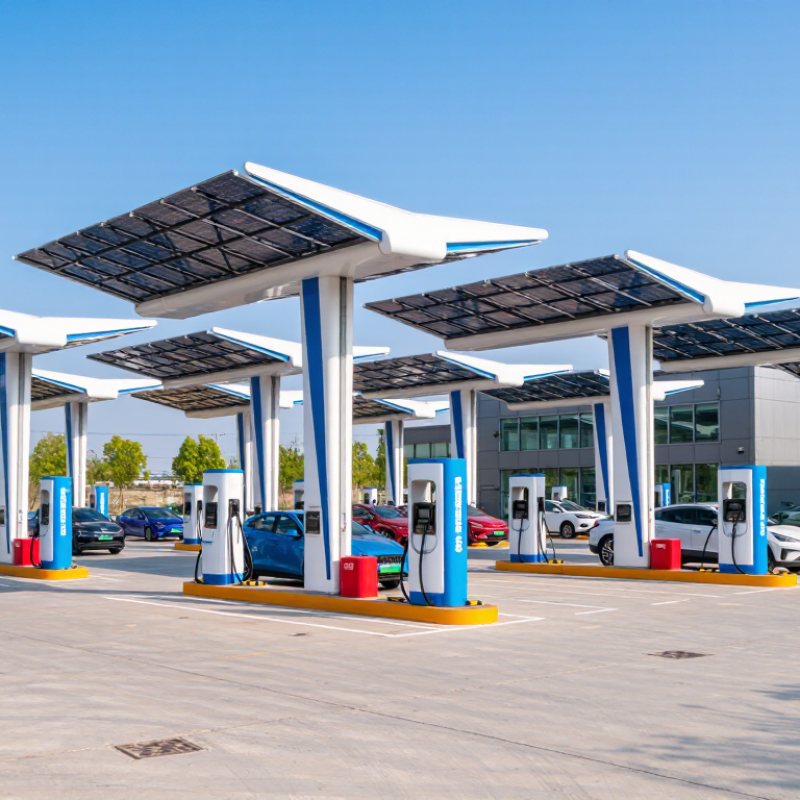
China Top 10 Electric Vehicle Charging Station Suppliers?

What Defines a Leading Electric Vehicle Charging Station Supplier?

A leading electric vehicle charging station supplier is defined by field performance, not factory photos or impressive brochures. The International Energy Agency reported over four million public charging points worldwide at the end of 2023, with installations growing by more than 40% that year. This expansion raises the standard. Suppliers must deliver stable output, accurate billing, weather resistance, and practical maintenance across busy urban sites and remote highways.

Uptime matters most to drivers. A charger that starts every time builds trust. Leading suppliers publish service-level targets, remote diagnostics, spare-parts plans, and repair response times. They also support open protocols, such as OCPP, and relevant IEC charging standards. Interoperability reduces software lock-in. Cybersecurity cannot be an afterthought; secure updates, access control, and network monitoring should be documented clearly. The U.S. National Renewable Energy Laboratory has shown that real-world charging reliability depends on both hardware and site conditions, including payment systems and communications.

Local testing reveals what datasheets miss. Technicians should inspect cable flexibility in winter, connector wear after repeated use, and screen visibility under direct sunlight. Energy management is equally important. Smart charging can reduce peak demand and support larger charging hubs without unnecessary grid upgrades. No supplier gets every site right. That is the uncomfortable part. Buyers should examine independent test results, warranty exclusions, installation records, and customer support evidence before ranking any supplier among China’s leading providers.

China’s Top 10 Electric Vehicle Charging Station Suppliers

China’s Top 10 Electric Vehicle Charging Station Suppliers are best assessed through measurable performance, not advertising claims. China’s Electric Vehicle Charging Infrastructure Promotion Alliance reported about 3.58 million public charging facilities by the end of 2024. That scale creates intense demand for reliable hardware, software, and maintenance. The International Energy Agency also reported that China held more than half of the world’s public charging points in 2023.

A practical top-ten shortlist should examine charger uptime, thermal protection, payment integration, and after-sales response. High-power direct-current units can deliver 120 kW or more, but output often falls in crowded sites or extreme heat.

This detail matters beside a highway. A supplier with strong laboratory figures may still perform poorly in a dusty parking area. That is an uncomfortable gap.

China’s strongest suppliers usually cover alternating-current home units, direct-current public chargers, fleet depots, and cloud platforms. Buyers should verify compliance with national charging standards, load balancing, remote fault alerts, and spare-parts availability. The China Electric Vehicle Charging Infrastructure Promotion Alliance has repeatedly highlighted uneven regional utilization, so installed quantity alone cannot prove value. Field trials should measure session success rates, average repair time, and winter performance. Ten names on a list may attract attention, but transparent testing deserves more trust.

Core Products and Charging Technologies Offered by Each Supplier

China Top 10 Electric Vehicle Charging Station Suppliers?

China’s leading charging suppliers cover different operating conditions. Several focus on AC wallboxes from 7 to 22 kW for homes, offices, and apartment parking. Others provide 60–480 kW DC cabinets with satellite dispensers for highways and fleet depots. High-power systems use liquid-cooled cables, modular rectifiers, and dynamic load balancing. A few suppliers also develop pantograph chargers for buses and automated battery-swapping equipment. The product mix matters more than a simple ranking.

The IEA’s Global EV Outlook 2024 reports that China had about 3.6 million public charging points by the end of 2023. This scale pushes suppliers toward remote diagnostics, payment platforms, and cloud-based energy management. Their newer chargers commonly support OCPP communication, peak-load control, and vehicle-to-grid readiness. Some systems pair charging with solar generation and stationary storage. Useful, but not always simple.

Field experience shows that connector design is only one part of reliability. Thermal management, waterproofing, cable ergonomics, and maintenance access often decide uptime. TÜV and other testing bodies emphasize electrical safety, electromagnetic compatibility, and environmental protection in charger evaluation. Yet published specifications can hide installation limits. A 480 kW cabinet may need serious grid capacity, cooling space, and careful load planning. That detail deserves more attention.

The chart compares representative rated power levels for the main electric vehicle charging technologies commonly supplied to residential, commercial, fleet, and highway charging projects. Actual output varies by charger model, grid connection, vehicle capability, and charging protocol.

Market Coverage, Certifications, and Service Capabilities

China’s leading electric vehicle charging station suppliers should be assessed by market coverage, certifications, and service capability, not advertising claims. The IEA’s Global EV Outlook 2024 reports more than 4 million public charging points worldwide at the end of 2023. China accounted for nearly 60% of them. This scale favors suppliers with proven deployment experience across cities, highways, parking facilities, and fleet depots.

Certification evidence deserves close inspection. Reliable suppliers typically provide testing records aligned with IEC 61851, IEC 62196, and relevant national standards. Export projects may also require regional approvals, cybersecurity controls, and grid-integration testing. ISO 15118 readiness is valuable for managed charging and future plug-and-charge functions.

Certification alone is not enough. Installation records matter more.

Service quality is visible in ordinary details: remote monitoring, spare modules, multilingual support, and response times during winter failures. The IEA notes that charging demand will rise sharply as electric vehicle sales expand. Suppliers with local technicians and documented preventive maintenance are better prepared. Yet rankings remain imperfect. Published uptime can use different definitions, while pilot projects may hide replacement costs. Buyers should request three-year operating data, failure logs, warranty terms, and customer references before naming a top ten supplier.

How to Compare and Select the Right Charging Station Supplier

Choosing among China’s top ten electric vehicle charging station suppliers requires more than comparing price lists. Field experience shows that the cheapest unit may create higher maintenance costs later. Start with the site requirements: vehicle types, daily charging volume, grid capacity, weather exposure, and installation space. A 60 kW DC charger suits a small fleet differently from a 240 kW highway station. Confirm rated power, connector options, charging efficiency, protection levels, and operating temperature ranges. Ask for test reports from recognized laboratories, not only marketing claims.

Supplier evaluation should include software and after-sales support. Check whether the charger supports open communication protocols, remote diagnostics, load balancing, and user access control. Request a sample dashboard and test fault alerts before signing a contract. Review warranty length, spare-parts availability, response times, and technician coverage in your region. A supplier with clear manuals and stable firmware is often more valuable than one offering a lower initial quote. Verify manufacturing capacity through factory records, quality procedures, and shipment references. Speak with existing operators if possible. Their maintenance experience may reveal weaknesses that brochures hide. Specifications can mislead. I would also test cable weight, screen visibility, emergency-stop access, and payment reliability during a real site visit. These small details affect drivers every day.

China Top 10 Electric Vehicle Charging Station Suppliers? - How to Compare and Select the Right Charging Station Supplier
The comparison below uses anonymous supplier profiles to avoid displaying company or brand names. The specifications are practical market ranges commonly available from established Chinese EV charging equipment manufacturers; final values should be verified through technical datasheets, test reports, samples, and commercial quotations.
Supplier Profile Typical Market Focus AC Charging Range DC Charging Range Common Connector Options Communication & Backend Safety and Protection Typical Certifications Warranty Range Recommended Buyer Selection Score
Supplier Profile 01 Residential, workplace, and destination charging 7.4–22 kW
Single- or three-phase
30–60 kW compact DC units Type 2 CCS2 OCPP 1.6J commonly available; Ethernet, Wi-Fi, 4G, RFID, mobile app integration Overcurrent, overvoltage, residual-current, surge, overtemperature, and emergency-stop protection CE, CB, IEC 61851-related testing; local approvals depend on destination market 24–36 months Property developers and commercial parking operators ★★★★☆ 4.3/5
Supplier Profile 02 AC wall boxes for homes, offices, and light commercial sites 3.7–22 kW
Load-balancing options
Not the primary product category Type 1 Type 2 Bluetooth, Wi-Fi, 4G, RFID, OCPP options, solar-surplus charging support Type A or Type B residual-current protection options, temperature monitoring, cable protection CE, UKCA or equivalent market-specific conformity documentation 24–36 months Home-charging distributors and solar installers ★★★★☆ 4.1/5
Supplier Profile 03 Fleet depots, logistics centers, and electric buses 11–43 kW AC options 60–180 kW modular DC systems CCS2 CCS1 GB/T OCPP 1.6J or 2.0.1 options; Ethernet, 4G, depot-management API integration Insulation monitoring, DC leakage detection, surge protection, cooling monitoring, emergency stop CE, IEC 61851, IEC 62196-related documentation; project-specific certifications 24–36 months Fleet operators requiring centralized energy management ★★★★★ 4.6/5
Supplier Profile 04 Highway service areas and public fast-charging networks 22–43 kW AC options 120–360 kW high-power DC systems CCS2 CCS1 GB/T OCPP support, 4G/5G options, remote diagnostics, payment-terminal integration IP54–IP55 enclosure options, IK-rated mechanical protection, thermal derating, surge protection CE, CB, IEC 61851, IEC 62196; national grid and metrology requirements may apply 24–36 months Public charging network developers and highway operators ★★★★★ 4.7/5
Supplier Profile 05 Retail, hotels, restaurants, and mixed-use developments 7.4–22 kW AC 20–60 kW DC options Type 2 CCS2 OCPP, RFID, QR-code payment, Wi-Fi, Ethernet, 4G, reservation functions Residual-current protection, cable temperature sensing, surge protection, controlled restart CE and IEC-based test documentation; payment compliance depends on the backend provider 12–36 months Businesses seeking visible, user-friendly charging stations ★★★★☆ 4.2/5
Supplier Profile 06 Solar-linked charging and energy-storage applications 7.4–22 kW AC
Dynamic load management
30–120 kW DC options Type 2 CCS2 Modbus TCP/RTU, OCPP, energy-management-system integration, smart charging Grid protection, anti-islanding coordination, overtemperature, surge, residual-current protection CE, EMC and low-voltage conformity; solar and storage projects may require additional approvals 24–36 months Solar EPC contractors and microgrid developers ★★★★☆ 4.4/5
Supplier Profile 07 Export-oriented AC and DC charging equipment 7.4–22 kW AC 30–240 kW DC Type 1 Type 2 CCS1 CCS2 OCPP 1.6J commonly available; multilingual interface, Wi-Fi, 4G, Ethernet IP54–IP65 options, overcurrent, short-circuit, leakage, surge, and overtemperature protection CE, CB, UL-related components or reports where applicable; certification scope must be checked 24–36 months Importers, distributors, and private-label project buyers ★★★★☆ 4.3/5
Supplier Profile 08 Urban public charging and municipal infrastructure 11–43 kW AC 60–180 kW DC Type 2 CCS2 GB/T OCPP, RFID, QR payment, remote monitoring, parking-management integration IP54 or higher options, anti-corrosion treatment, surge protection, emergency shutdown CE, IEC 61851, IEC 62196 and project-specific municipal requirements 24–36 months Municipal tenders and citywide charging programs ★★★★☆ 4.5/5
Supplier Profile 09 Compact DC charging for commercial and urban sites 11–22 kW AC auxiliary options 20–60 kW integrated DC systems CCS2 CCS1 OCPP, 4G, Ethernet, RFID, QR-code access, remote firmware updates IP54–IP55, output short-circuit protection, isolation monitoring, thermal management CE, IEC 61851-related documentation and EMC test reports 12–24 months Convenience stores and sites with limited electrical capacity ★★★★☆ 4.0/5
Supplier Profile 10 Heavy-duty charging for buses, trucks, and industrial fleets 22–43 kW AC options 180–480 kW scalable DC systems CCS2 CCS1 GB/T OCPP, fleet-management API, Ethernet, 4G/5G, power-sharing and automated scheduling Liquid- or air-cooling options, insulation monitoring, surge protection, emergency stop, thermal derating CE, IEC 61851, IEC 62196 and project-specific grid or transport approvals 24–36 months Transport companies and high-utilization fleet depots ★★★★★ 4.6/5
Key comparison factors: verify charging power at the required input voltage, connector compatibility, OCPP version, backend interoperability, IP and IK ratings, grid-connection requirements, local certifications, spare-parts availability, warranty exclusions, installation support, payment integration, and the supplier’s ability to provide field-service coverage in the target country.

FAQS

What defines a leading electric vehicle charging station supplier?

Field performance defines leadership, not factory photos or polished brochures. Reliable chargers start consistently at busy sites. They also provide accurate billing and weather-resistant hardware. Clear maintenance plans matter. Suppliers should publish uptime targets, repair times, spare-parts plans, and remote diagnostic capabilities.

Why is charger uptime so important?

Drivers trust chargers that work every time. A failed payment system can make a working charger useless. Communication problems can also interrupt sessions. Site conditions matter. Review uptime records, service reports, and customer feedback before selecting a supplier.

Which charging products should buyers consider?

AC wallboxes usually provide 7 to 22 kilowatts. They suit homes, offices, and apartment parking areas. DC systems may range from 60 to 480 kilowatts. They serve highways, fleets, and busy charging hubs. Some projects may need bus pantograph chargers or automated battery-swapping equipment.

How should buyers match charger power with site needs?

Start with vehicle types, daily charging volume, grid capacity, and available space. A 60-kilowatt charger may suit a small fleet. A 240-kilowatt station fits heavier highway demand. High power needs serious planning. Cooling space, cable design, and electrical capacity must support the rated output.

What technical features improve charging reliability?

Look for open communication protocols, remote diagnostics, and dynamic load balancing. Secure software updates and access controls support safer operation. Thermal management protects equipment during repeated high-power sessions. Waterproofing and flexible cables matter in harsh weather. Small details count.

What should buyers inspect during a real site visit?

Test cable weight, connector wear, screen visibility, and emergency-stop access. Check the display under direct sunlight. Try payment functions and fault alerts. Inspect cable flexibility during cold conditions when possible. A datasheet cannot show everything.

How can a supplier’s software and support be evaluated?

Request a live dashboard demonstration before signing a contract. Test remote alarms and charging-session records. Confirm firmware update methods and user access controls. Review warranty exclusions, response times, and technician coverage. Ask about spare parts stored near your operating region.

How can buyers avoid choosing only by price?

Compare lifetime maintenance costs, not only the initial quotation. Review independent laboratory reports and installation records. Speak with existing operators about repairs and software stability. Check production capacity through factory records and shipment references. The cheapest option may become expensive later. That possibility deserves honest attention.

Conclusion

China’s electric vehicle charging market has developed into a highly competitive ecosystem, supported by advanced manufacturing, strong engineering capabilities, and growing demand for reliable charging infrastructure. This article explains what defines a leading E Vehicle Charging Station supplier, including product quality, charging speed, safety performance, software integration, production capacity, and after-sales support. It also presents a general overview of ten major supplier categories and the technologies they commonly provide, such as AC chargers, DC fast chargers, liquid-cooled systems, smart charging platforms, and fleet charging solutions.

In addition, the article compares suppliers according to market coverage, product certifications, customization options, installation support, maintenance services, and digital management capabilities. Buyers will learn how to evaluate charging power, compatibility, operating environment, total cost of ownership, delivery reliability, and long-term technical support. These factors can help businesses, property developers, fleet operators, and public infrastructure planners select a dependable supplier that matches their operational requirements and future expansion plans.

Oliver

Oliver

Oliver is a seasoned marketing professional with a wealth of expertise in driving brand awareness and engagement. With a deep understanding of our company's product offerings, he consistently delivers high-quality content that enriches our professional blog. His insights not only shed light on......