
Best Electric Car Charging Stations in the UK 2026

Time:2026-11-21 Author:Liam
0%

Choosing the best electric car charging stations in the UK in 2026 means looking beyond headline charging speeds. Drivers need stations that fit real journeys: a reliable rapid charger near a motorway, a destination charger beside a supermarket, or a slower point close to home. Small details matter. Is the charger working? Can you pay easily? Is there space to wait?

This guide to Electric Car Charging Station Uk options compares networks, charging speeds, locations, access, and pricing. It also considers how well stations serve different vehicles and travel habits. Zapmap co-founder Melanie Shufflebotham has emphasized that clear, dependable charge-point information helps drivers plan public-charging journeys. That point matters when a low battery, a busy forecourt, or an unclear tariff changes the day’s plans.

No network is perfect. Coverage can vary sharply between regions, and a fast charger may still be occupied or unavailable. So this guide looks at practical strengths and drawbacks, not just impressive specifications. You will find useful comparisons for everyday top-ups and longer trips, with details to help you choose a station that suits your route. Conditions change, so check live availability and prices before setting off. A little planning helps. But it cannot guarantee a smooth stop.
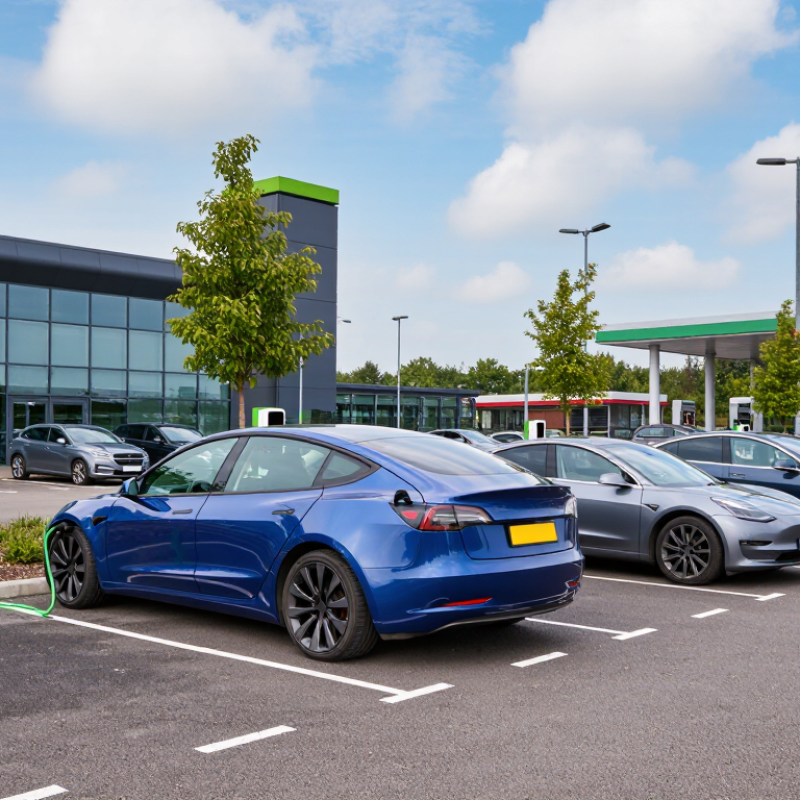
Best Electric Car Charging Stations in the UK 2026

How Electric Car Charging Stations Operate Across the UK in 2026

Across the UK in 2026, electric car charging depends on where the vehicle is parked and how quickly it needs power. Home chargers usually supply slower AC electricity overnight, while motorway rapid chargers use DC to add range during a short stop. The plug clicks into place, the car and charger communicate, and charging begins after payment or access is confirmed. It is not always seamless.

Public charge points appear at motorway services, car parks, retail sites, and kerbside locations. Some accept contactless payment; others may require an app or account. Before setting off, check the connector type, live availability, charging speed, and any parking limit. A charger’s advertised power is not a guaranteed rate: the car’s battery, temperature, and current charge level can all affect speed.

Costs vary between sites, and the displayed rate may not be the whole story if idle or parking fees apply. Keep an eye on the screen and move the car when charging ends. Rural coverage can be less convenient than urban coverage, so a backup stop is sensible. Cold weather can also slow charging. Drivers should treat route-planning estimates as useful guidance, not a promise.

Types of Chargers and Their Typical Speeds

Home charging is usually the gentlest option for everyday use. A dedicated AC charger commonly delivers 3.6–7.4 kW, adding roughly 10–25 miles of range per hour. Public AC posts can reach 22 kW, though your car may accept less. They suit longer stops, such as a workday or an evening meal.

Rapid DC chargers typically provide 50 kW or more. Ultra-rapid units can offer 150–350 kW, but only compatible cars can use their highest output. Charging often slows as the battery fills, especially beyond about 80%. Cold weather, a busy site, or limited grid supply can reduce speeds too. The number on a charger is a maximum, not a promise. That distinction is easy to miss.

Tips: Check your car’s maximum AC and DC charging rates before choosing a station. For a quick stop, arrive with a lower battery level and leave before charging slows sharply. Keep a little extra time in your plan. Speeds vary.

Criteria for Comparing UK Charging Networks

Best Electric Car Charging Stations in the UK 2026

Criteria for Comparing UK Charging Networks

A useful comparison starts with coverage, not headline charging speed. Check whether a network serves the routes you actually drive, including quieter roads and towns. A fast charger is less helpful if the next one is far away. Look for live availability data, too, and compare it with what drivers report. A station marked available can still be blocked or out of service.

Price clarity matters. Compare the cost per kilowatt-hour, any session fees, and whether prices vary by location or time. Check how you can pay before arriving; app-only access may be inconvenient when your phone has low battery. Reliability deserves equal attention: note how often chargers work, whether support is reachable, and whether bays are accessible and easy to use. No comparison is perfect. Reviews can reflect one bad visit, but repeated reports of faults are worth considering.

Leading Charging Networks and Their Key Features

The strongest UK charging networks are not defined by charger numbers alone. Their value depends on where stations sit, how reliably they work, and whether drivers can pay without friction. Motorway hubs suit longer journeys, especially when several high-power chargers reduce the risk of queuing. Urban networks often offer slower units near shops, car parks, and workplaces. These can be practical during a longer stop. Convenience matters.

Look for clear pricing before plugging in. Some networks use pay-as-you-go rates, while others offer subscriptions or roaming access through a single app or charging card. Check whether contactless payment is available, and whether the app shows live availability rather than simply listing chargers. Small details count: a readable screen, good lighting, and space beside the cable make a cold, rainy stop less awkward. Access can vary.

Reliability claims deserve scrutiny. A site with many chargers may still feel frustrating if units are frequently out of service or support is hard to reach. Compare recent driver reports with network status information, but treat individual reviews cautiously; one poor visit may not reflect a lasting pattern. I would also avoid assuming that one network fits every route. Charging coverage changes, and the best choice may depend on your car, journey, and tolerance for detours. Some comparisons remain imperfect. That is worth remembering.

How to Choose a Station for Your Journey and Vehicle

Choosing a charging station starts with your vehicle, not the map pin. Check its connector, maximum charging rate, and whether it can warm the battery before a rapid charge. A station’s advertised power is a ceiling, not a promise: your car may accept less, especially in cold weather or near a full battery. Leave a buffer for detours. A cold, rainy wait feels longer than the route planner suggests.

The Department for Transport’s January 2025 public charging statistics counted 73,699 devices across the UK. That figure helps show network scale, but it cannot tell you whether a particular unit is working or free. Check live availability, access hours, and nearby backup options before setting off. For a motorway leg, a rapid charger may save time; in town, a slower unit can suit a longer stop. Match the choice to your battery and schedule. Small detail, big difference.

Look closely at the final approach, too: some sites sit behind barriers or have tight bays that make cable reach awkward. Confirm the charging socket is on a reachable side, and avoid planning around one last-minute stop. I still leave room for a plan to fail. It sometimes does.

FAQS

What should I compare when choosing a charging network?

Check route coverage, live charger status, prices, payment options, and reliability. A fast charger is less useful when the next one is far away.

How can I check whether a charger is really available?

Compare live network information with recent driver reports. A charger marked available may still be blocked or out of service.

What costs should I check before charging?

Look at the price per kilowatt-hour, session fees, and any time or location-based price changes. Check the on-site price before plugging in.

Should I rely on a charging app?

Check whether contactless payment or a charging card is available. App-only access can be awkward when your phone battery is low.

How do I choose a charger that suits my car?

Confirm the connector and your car’s maximum charging rate. The charger’s advertised power is a ceiling, not a promise.

Does cold weather affect charging?

It can. Cold weather may reduce charging speed, and your car may accept less power near a full battery.

What should I check before a long journey?

Check live availability, access hours, and a backup stop. Leave room for a detour; plans do fail sometimes.

What small details matter at a charging site?

Check lighting, bay space, instructions, barriers, and cable reach. A tight bay feels worse in the rain.

Does the number of public chargers guarantee a reliable trip?

No. UK public charging statistics counted 73,699 devices in January 2025, but that figure cannot show whether a particular charger works.

Conclusion

In 2026, electric car charging across the UK is supported by a growing mix of public stations, workplace chargers and home installations. Charging speeds vary by charger type: slower units suit longer stops, while rapid and ultra-rapid chargers can add more range during a short break, depending on the vehicle and conditions. When comparing networks, drivers can consider station coverage, charging speed, reliability, payment options, availability and the clarity of pricing.

Choosing an Electric Car Charging Station Uk option depends on the journey and the vehicle’s charging capabilities. For longer trips, check the route for suitable stops and allow time for charging; for everyday travel, convenient locations and dependable access may matter more than maximum speed. Planning ahead, checking connector compatibility and reviewing live station information can help make charging simpler and reduce unnecessary delays.

Liam

Liam

Liam is a dedicated marketing professional with a profound expertise in the industry, where he excels at highlighting the unique advantages of our core products. With a keen understanding of market trends and consumer needs, Liam frequently updates our company’s professional blog, providing......