The market for DC charging stations is evolving rapidly. As electric vehicles continue to gain popularity, the demand for effective and efficient charging solutions increases. The **DC Charging Station 40kw** is at the forefront of this charge. Experts predict that by 2026, these stations will play a crucial role in global electric vehicle infrastructure.
John Smith, a recognized expert in electric vehicle technologies, states, “Investing in high-output charging stations prepares us for the electric future.” His insight highlights the importance of choosing the right technology. This will alter how consumers experience electric vehicle charging.
As global buyers navigate their options, they must consider several factors. Not every **DC Charging Station 40kw** will meet expected needs. Reliability and scalability are key. The industry still faces challenges in standardization and infrastructure development. Identifying the right station requires careful evaluation. Buyers must reflect on their specific requirements before making decisions.
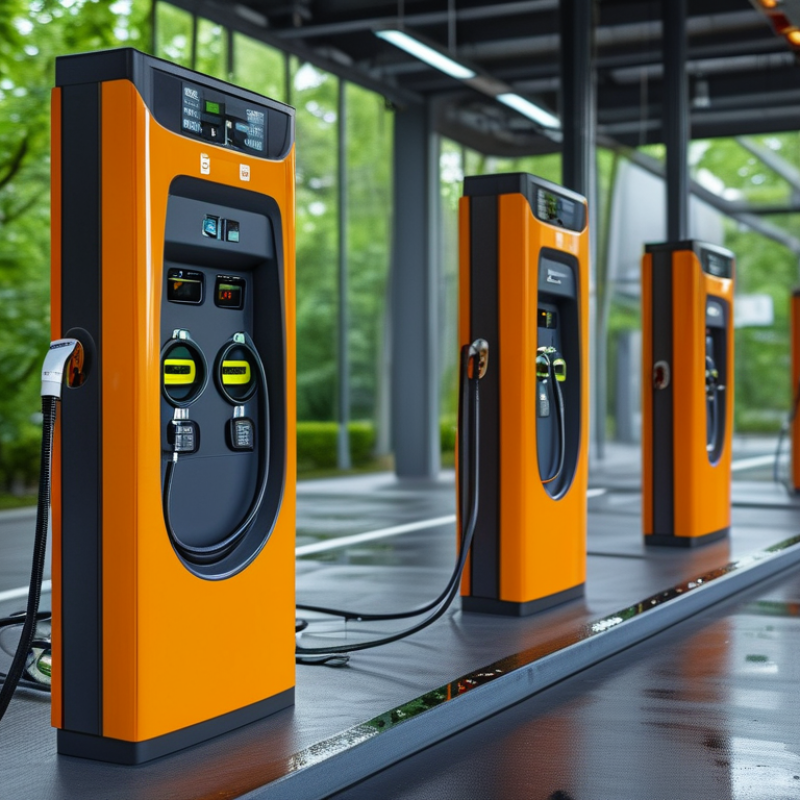
2026 Overview of 40kW DC Charging Stations for Electric Vehicles
As the electric vehicle (EV) market grows, the demand for efficient charging solutions rises. The 2026 overview of 40kW DC charging stations highlights their significance in this evolving landscape. Offering fast charging, these stations can replenish an EV's battery in a fraction of the time needed for traditional methods. Industry reports suggest that 40kW stations fulfill the needs of a wide array of vehicles while balancing cost and performance.
Currently, global EV sales continue to soar. According to the International Energy Agency, global EV sales reached 6.6 million units in 2021. This trend suggests a growing need for accessible and reliable charging infrastructure. However, there are challenges. Many regions still lack sufficient charging networks. Despite advancements, the deployment of DC fast chargers remains inconsistent across markets. Addressing these gaps will be crucial to promoting EV adoption.
Furthermore, consumer preferences evolve as technology advances. Research indicates that up to 70% of EV owners prefer charging stations within urban areas. Yet, even with increasing installations, user experience can vary significantly. Reliability and accessibility are major concerns. Stakeholders must consider these factors to ensure the efficacy of the 40kW DC charging stations in diverse environments. The future of charging technology requires not only infrastructure growth but also an understanding of user needs.
Key Features to Consider When Choosing a DC Charging Station
When selecting a DC charging station, several key features should be prioritized. A charging station’s power output, measured in kilowatts (kW), is essential for fast charging. A 40kW station can charge most electric vehicles (EVs) swiftly. This feature significantly reduces downtime, making it suitable for commercial applications.
Compatibility with various EV models is another crucial aspect. Check the charging connectors and protocols each vehicle supports. Some stations accommodate multiple connector types, providing flexibility for users. Additionally, consider the station’s integration with energy management systems. Such integration optimizes energy consumption and can even allow for renewable energy usage.
Tips: Look for user-friendly interfaces. A clear display makes operation easier. Also, consider the station's location. It should be accessible and well-lit, ensuring users feel safe while charging. Lastly, examine warranty information. A reliable warranty reflects the quality of the product and offers protection for unforeseen issues. Adjusting to the evolving demands of EV users is vital for maintaining relevance in a competitive market.
Top Global Brands Offering 40kW DC Charging Solutions in 2026
As we approach 2026, the demand for efficient 40kW DC charging stations is surging. These charging solutions play a key role in supporting electric vehicle growth across the globe. Many industry leaders are harnessing innovation to enhance their products. They aim to deliver speed, reliability, and user-friendliness in their stations. Effective charging solutions will often consider the broader network to support more users simultaneously.
The best DC charging stations on the market will likely incorporate advanced technology. Features such as real-time monitoring and user-friendly interfaces can enhance the user experience. Moreover, reliability in these systems is crucial to ensuring a consistent charging solution. Customers should look closely at the service and support offered by different manufacturers. Not all charging stations uphold the same standards.
It's important for potential buyers to seek out thorough reviews and comparisons. Real-world performance can vary greatly from manufacturer claims. Understanding the local infrastructure also impacts charging station usability. The landscape for EV charging is poised for transformation, but not all options will meet strict needs and expectations. Users may find that navigating this evolving market requires patience and ongoing research.
Comparative Analysis of Pricing for 40kW DC Charging Stations Worldwide
The global market for 40kW DC charging stations is rapidly evolving. Pricing varies significantly across regions due to installation costs, local regulations, and demand. According to industry reports, prices range from $15,000 to $35,000 per unit. This disparity highlights the need for careful market analysis.
In Europe, the average price is higher, hovering around $25,000. Recent data reveals that installation can add an additional 30% to overall costs. In comparison, North America shows prices in the $15,000 to $20,000 range. However, factors like state incentives can affect pricing. Asian markets are increasingly competitive, with prices fluctuating due to local manufacturing.
The demand for sustainable transportation is driving growth in this sector. Yet, some regions still struggle with infrastructure. Reports indicate that access to reliable charging stations remains a challenge. This uneven landscape provides opportunities but also requires strategic planning for buyers. Understanding local market dynamics is crucial for informed purchasing decisions.
Future Trends and Innovations in DC Charging Technology by 2026
The landscape of DC charging technology is evolving rapidly. By 2026, we can expect significant advancements that prioritize speed and efficiency. Current reports indicate that the global DC fast charging market is projected to reach approximately $38 billion, driven by the growing demand for electric vehicles (EVs). Notably, 40kW charging stations are gaining traction due to their optimal balance between charging time and cost.
One key trend is the integration of smart technologies into charging stations. Real-time data analytics allows for improved user experiences. Stations can now offer dynamic pricing, helping balance supply and demand. Additionally, the adoption of renewable energy sources at these stations will become more prevalent. This shift reduces the carbon footprint of EV charging and aligns with global sustainability goals.
Tips: Consider the location of charging stations. Urban areas will see a higher density, making access easier. Always check if a charging station supports multiple vehicle models. Staying informed on charging speeds can save you valuable time. Awareness of the latest technologies will enhance your EV ownership experience, but don’t overlook the infrastructure’s compatibility with older models.
2026 Best DC Charging Station 40kw for Global Buyers
FAQS
: Look for at least 40kW. This power allows for faster charging of electric vehicles, minimizing downtime.
Very important. Check which connectors and protocols are supported to ensure the station fits various vehicles.
They optimize energy usage and can allow for renewable sources to reduce costs and improve efficiency.
A well-lit, accessible location is crucial. It ensures safety and convenience for users while charging their vehicles.
Review warranty details carefully. A solid warranty indicates product quality and safeguards against potential issues.
Installation can add up to 30% to the overall costs. It’s important to factor this into your budget.
Expect smarter charging stations with real-time data and dynamic pricing, enhancing user experience and efficiency.
Increased EV demand drives the market, but infrastructure gaps still exist, requiring careful planning to meet needs.
Knowing charging speeds can save time. This information helps users choose stations that meet their requirements efficiently.
Apart from speed and compatibility, assess user-friendly interfaces and the availability of renewable energy options.
Conclusion
The article "2026 Best DC Charging Station 40kW for Global Buyers" provides a comprehensive overview of the evolving landscape of 40kW DC charging stations for electric vehicles. It discusses essential features that buyers should consider when selecting a DC charging station 40kW, such as charging speed, compatibility with various EV models, and advanced safety features. Furthermore, the article highlights the leading global brands that are manufacturing these charging solutions in 2026, emphasizing the competitive pricing and technology variations found worldwide.
Additionally, it delves into future trends and innovations expected in the DC charging technology realm by 2026, where advancements may enhance efficiency and infrastructure development for electric vehicle charging. As the demand for EVs continues to grow, understanding the options and features of the DC charging station 40kW will become increasingly vital for both consumers and business operators in the charging network sector.