As electric vehicle (EV) adoption continues to rise, the need for efficient charging solutions becomes crucial. Installing a DC Fast Charger at home can significantly enhance the EV ownership experience. According to a recent study by the International Energy Agency, global EV sales doubled in 2021, highlighting the urgency for home charging infrastructure. Research indicates that homeowners with DC Fast Chargers can charge their vehicles up to eight times faster than standard chargers, making this technology a game changer.
Moreover, the U.S. Department of Energy states that publicly accessible charging stations often struggle to meet consumer demands during peak hours. This gap emphasizes the advantages of having a DC Fast Charger at home, allowing users unparalleled convenience and flexibility. However, potential buyers should weigh the installation costs and necessary electrical upgrades against their charging needs. Not every home may have the infrastructure to support this equipment effectively. Despite these challenges, the benefits—such as reduced charging times, energy savings, and increased property value—illustrate the transformative impact of having a DC Fast Charger at home.
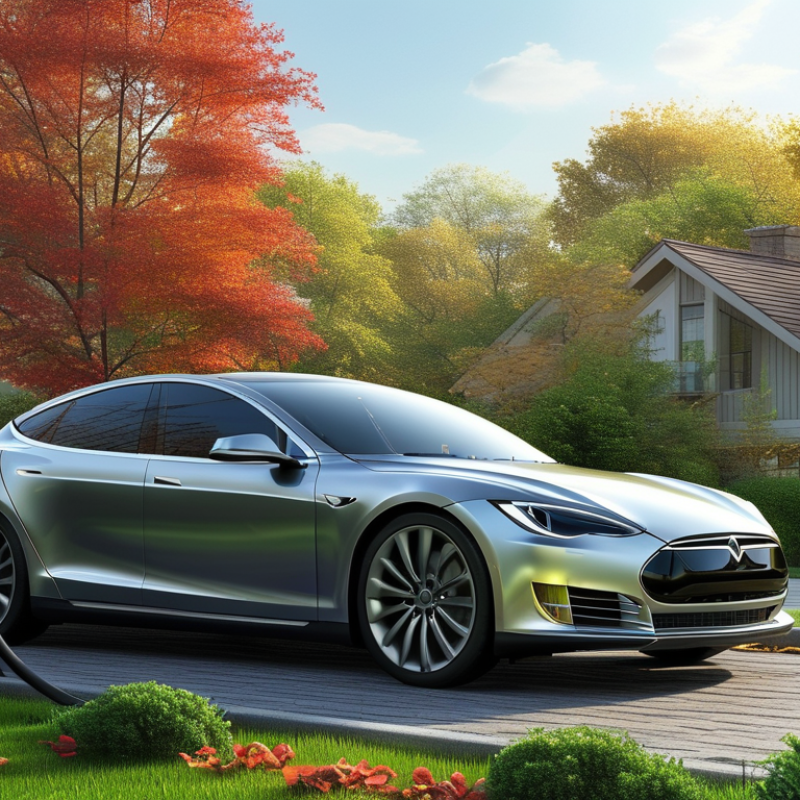
Understanding DC Fast Chargers: An Overview of Technology
DC fast chargers represent a significant advancement in electric vehicle (EV) technology. These chargers empower users to recharge their vehicles rapidly, often reaching 80% capacity in just 30 minutes. Reports from the International Energy Agency (IEA) indicate that the installation of DC fast charging stations is critical for the widespread adoption of EVs. In 2021, around 1.8 million public charging points were available globally, but a meager percentage were DC fast chargers. This gap highlights the urgent need for homeowners to consider installing such chargers.
Home installation of a DC fast charger can greatly enhance the user experience. Homeowners can achieve a full charge overnight, maximizing the vehicle's range for daily commutes. According to a study by the U.S. Department of Energy, the average EV owner drives less than 40 miles per day. A residential DC fast charger alleviates range anxiety, allowing for more spontaneous trips without the worry of long recharging times.
Despite the benefits, some challenges exist. The upfront cost of installing a DC fast charger can be intimidating, with estimates ranging from $10,000 to $40,000. Additionally, they require a robust electrical system, often necessitating upgrades. Homeowners must evaluate their energy consumption needs. If not carefully considered, this could lead to excess energy costs. Therefore, investing in a DC fast charger should be approached with informed caution.
Top 10 Benefits of Installing a DC Fast Charger at Home
Convenience of Home Charging: Time-Saving Benefits Explained
Home charging brings unrivaled convenience, especially with a DC fast charger. According to a study by the Department of Energy, charging an electric vehicle at home can save drivers up to 70% on fueling costs compared to gasoline vehicles. This highlights the financial incentive for many EV owners. With a DC fast charger, a full charge can occur within 30 minutes. This means no more stopping at public charging stations during busy schedules.
Significantly, home charging reduces time spent on road trips. A report from the Electric Power Research Institute found that 80% of charging happens at home. Owning a DC fast charger eliminates the need to plan routes around charging station locations. No longer will drivers wait in line at public chargers. Instead, they can simply plug in at home after each trip.
However, some may find the initial installation costs steep. It's essential to evaluate infrastructure before making decisions. On the flip side, the long-term benefits can outweigh initial expenses. This comfort and savings can lead to increased electric vehicle adoption in households. A seamless transition from traditional vehicles to electric ones could reshape the future of transportation.
Cost-Effectiveness: Long-Term Savings on Charging Expenses
Installing a DC fast charger at home offers significant cost-effectiveness over time. The average electric vehicle (EV) driver spends about $500 annually on charging. Research indicates that having a home charger can lower this to around $200. This reduction represents a 60% decrease in costs, emphasizing the potential savings for households.
Moreover, DC fast chargers provide rapid charging capabilities, allowing users to fully charge their vehicles in under an hour. This efficiency not only saves time but also reduces wear on the vehicle’s battery. According to the International Energy Agency, charging at home can lead to a lower overall energy cost compared to public charging stations, where prices may fluctuate based on demand.
However, it's essential to consider the initial installation costs, which can range between $5,000 and $10,000. While these upfront expenses may seem high, most users find they recover this cost within three to five years through savings on charging. Still, some homeowners may need to reflect on their specific driving habits to ensure that the investment aligns with their usage patterns.
Increased Property Value: Enhancing Home Appeal with EV Features
Installing a DC fast charger at home can significantly boost your property's value. In today's electric vehicle (EV) market, having charging capabilities is a desirable feature for many buyers. Homes with EV features often appeal to eco-conscious buyers, making them more attractive in competitive markets. This enhancement can set your home apart from others and lead to higher resale values.
Consider some impactful tips to maximize this benefit. When installing a charger, prioritize its location. Choose a spot that's easily accessible to an EV, ideally near the home's entrance. This convenience can be a big selling point. Additionally, ensure that the installation meets local regulations and safety standards. This adherence not only elevates your home's appeal but also reflects your commitment to quality.
Do keep in mind the potential challenges. Charging infrastructure can vary by region, impacting property value differently. Research local buyer preferences to gauge interest in EV features. Some areas might show strong enthusiasm while others remain skeptical. Understanding your market is key to truly enhancing appeal through EV installations.
Top 10 Benefits of Installing a DC Fast Charger at Home
| Benefit |
Description |
Impact on Property Value |
| Increased Property Demand |
Homebuyers are increasingly seeking energy-efficient features, boosting demand. |
High |
| Enhanced Home Appeal |
An EV charger adds modern appeal and technological advancement to a home. |
Medium |
| Cost Savings on Fuel |
Charging at home often costs less than using public charging stations. |
Medium |
| Increased Resale Value |
Homes with EV charging capabilities can sell for more than those without. |
High |
| Environmental Benefits |
Promoting electric vehicle use contributes to reduced carbon footprints. |
Medium |
| Convenience of Home Charging |
No need to visit a gas station or find public chargers. |
High |
| Potential Tax Incentives |
Some local governments offer tax credits for EV charger installations. |
Medium |
| Faster Charging Times |
DC fast chargers can significantly reduce the time needed to charge a vehicle. |
Medium |
| Future-Proofing Home |
Installing charging capabilities prepares homes for future electric vehicle trends. |
High |
| Compatible with Multiple EV Models |
DC fast chargers often support various electric vehicle brands and models. |
Medium |
Environmental Impact: Supporting Sustainability through Home Charging Solutions
Installing a DC fast charger at home can significantly reduce your carbon footprint. Studies show that electric vehicles (EVs) produce up to 60% fewer emissions compared to traditional gasoline cars. This shift not only curbs air pollution but also conserves natural resources. Additionally, powering your EV with renewable energy sources enhances these benefits. For example, using solar panels to charge your vehicle can lead to a near-zero emissions lifecycle, making a positive impact on the environment.
When considering home charging solutions, look at your energy consumption patterns. Charging during off-peak hours can reduce strain on the grid and lower energy costs. It's also wise to analyze local incentives for installing home charging stations. Many regions offer tax credits and rebates that can make this choice more attractive.
Reflecting on the infrastructure challenges, it's important to recognize potential limitations in some areas. Not every home may have the space or electrical capacity for a DC fast charger. Careful evaluation of local regulations is required to ensure compliance. Engaging with a professional can help you navigate these complexities while ensuring sustainable practices.
Conclusion
Installing a DC Fast Charger at home offers numerous advantages that enhance the electric vehicle (EV) ownership experience. First and foremost, these chargers provide significant time-saving benefits, allowing EV owners to quickly charge their vehicles without the need to visit public stations. This convenience translates to a more efficient daily routine, reducing downtime associated with charging. Furthermore, the long-term cost-effectiveness of home charging is notable, as it can lead to substantial savings on charging expenses over time compared to traditional methods.
In addition to practical benefits, a DC Fast Charger at home can increase property value, making homes more appealing to potential buyers who prioritize EV features. This enhanced home appeal aligns with the growing trend towards sustainability, as installing a fast charger supports environmentally-friendly transportation solutions. Overall, the installation of a DC Fast Charger at home represents a forward-thinking investment that benefits both the individual and the environment.