
As the global demand for electric vehicles (EVs) increases, the need for efficient charging solutions has never been more critical. A key player in this landscape is the DC EV charger. These chargers offer rapid charging capabilities, significantly reducing downtime for users. By connecting directly to the vehicle's battery, they provide a fast and efficient alternative to traditional AC chargers. This efficiency is vital for commercial fleets and busy urban environments.
However, integrating DC EV chargers into existing infrastructures poses challenges. Not all locations are equipped for high-voltage charging. Understanding these limitations is essential for making informed decisions. Moreover, there are considerations regarding costs and installation procedures. The choice of a DC EV charger can significantly impact charging speed and overall user experience.
Global buyers need to weigh the advantages against potential drawbacks. While the rapid charging of a DC EV charger can boost convenience, its dependability hinges on proper installation and maintenance. Buyers must ensure they are investing in quality products. This focus on quality will not only enhance their experience but will also contribute to a sustainable charging ecosystem.
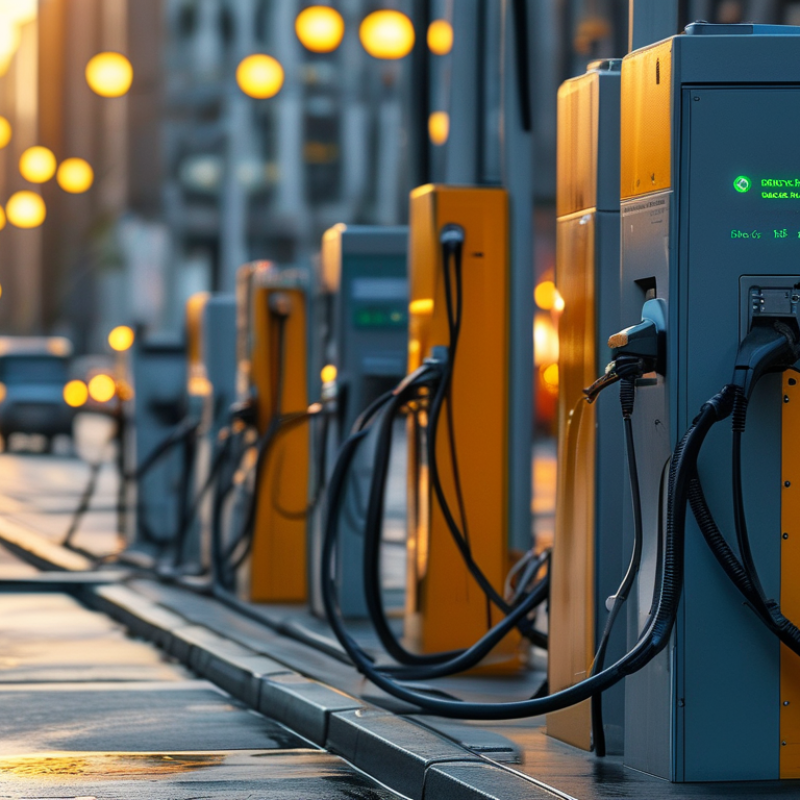
DC EV chargers provide significant advantages for electric vehicle owners. These chargers can deliver energy at a much faster rate than traditional AC chargers. A report from the International Energy Agency indicates that DC fast chargers can reduce charging time to under 30 minutes for most vehicles. This efficiency is crucial for busy individuals who value their time.
Convenience is another key benefit. Many drivers notice their range anxiety decreases significantly when using DC chargers. With growing networks of public DC fast chargers, electric vehicle owners can travel longer distances with confidence. According to a recent study, nearly 70% of EV users prefer fast charging stations over slower alternatives.
Tips: If you are planning a road trip, locate DC chargers along your route beforehand. This preparation helps you avoid potential downtime. Additionally, consider charging during off-peak hours to minimize waiting times. Always keep in mind that while DC chargers are efficient, not all electric vehicles can handle fast charging. Regular charging may still be necessary for battery health.
The rise of electric vehicles (EVs) has created a demand for efficient charging solutions worldwide. DC EV chargers stand out due to their enhanced charging speeds. For global consumers, this means less time spent waiting for a charge and more time on the road. In many cases, these chargers can deliver a full charge in under an hour. This remarkable speed offers convenience for busy lifestyles.
Tips for optimizing charging include knowing your local charging network. Always plan your route to include charging stations. Familiarize yourself with the types of chargers available. Some regions may lack fast chargers. Knowing the infrastructure helps avoid delays.
While charging speed is critical, it’s essential to consider the quality of the charger. Not all DC chargers are created equal. Users might encounter inconsistencies in charging times based on the charger’s capabilities. Reviews and user experiences can guide buyers towards reliable options. When making a purchase, seek out reputable sources of information to ensure your choices align with your expectations and needs.
When considering DC EV chargers, compatibility stands out. These chargers are designed to support a wide range of electric vehicle models and brands. This flexibility is crucial for global buyers who may face varying vehicle types in different regions. From compact city cars to larger SUVs, DC chargers cater to diverse needs, ensuring efficient charging across the board.
Moreover, many DC EV chargers adhere to universal charging standards. These standards help minimize the challenges users face when seeking a compatible charging station. While most established brands offer reliable charging methods, newcomers can sometimes create confusion. Buyers should be aware that not all stations guarantee compatibility with every vehicle. This creates a landscape where research is essential for making informed choices.
It’s important to reflect on the evolving technology in the EV sector. Some chargers are more efficient than others, impacting charge times. For example, while fast charging is ideal, some vehicles may not support the highest power levels. Therefore, users should consider both their vehicle's specifications and the charger’s capabilities. This knowledge empowers buyers to select chargers that will meet their expectations and support their driving habits.
The global push for electric vehicles (EVs) has created significant demand for enhanced charging infrastructure. DC EV chargers play a vital role in this transformation. They offer rapid charging options that are crucial for long-distance travel and urban commuting. With these chargers, EVs can recharge to about 80% in just 30 minutes. This speed mitigates range anxiety for users, encouraging more consumers to switch to electric.
Improved charging infrastructure also supports the development of smart cities. Integrating DC chargers into urban planning allows for better energy management. Cities could harness renewable sources for charging stations, promoting sustainability. However, this transition requires significant investment and long-term planning. Communities need to adopt a collaborative approach, involving local governments, businesses, and citizens.
While the benefits of DC chargers are clear, some challenges remain. Access to chargers is still inconsistent in many regions. Some areas have few charging stations, deterring potential EV adopters. Users might encounter compatibility issues across different charger models. Continuous improvement and standardization of charging technology are essential to ensure a seamless experience for all users.
| Benefit | Description | Impact on EV Adoption |
|---|---|---|
| Fast Charging | DC chargers significantly reduce the time needed for charging electric vehicles compared to traditional AC chargers. | Encourages more users to switch to EVs due to convenience. |
| Wide Availability | DC EV chargers are increasingly being installed in more locations, making charging accessible across various regions. | Increases confidence in EV usage and helps reduce range anxiety. |
| Improved Technology | DC chargers utilize advanced technology that allows for efficient energy transfer and charging management. | Supports the growth of charging solutions and improves user experience. |
| Sustainability | Many DC chargers are equipped to utilize renewable energy sources, enhancing their eco-friendliness. | Promotes the overall goal of reducing carbon emissions and supports green initiatives. |
| Cost Efficiency | Over time, the use of DC chargers can provide lower operational costs due to reduced charging times and efficient energy use. | Makes electric vehicles a more lucrative choice for consumers and businesses. |
Electric vehicles (EVs) are gaining traction worldwide. As more consumers adopt this technology, the need for efficient charging solutions becomes critical. DC EV chargers provide a significant advantage in terms of cost efficiency. They offer faster charging times, which can lead to increased vehicle utilization. This means less downtime for businesses or families and more savings over time.
Traditional AC chargers may take hours to recharge an EV. In contrast, DC chargers can fully charge a vehicle in about 30 minutes. This speed directly translates into reduced operational costs. Companies can optimize their fleet’s performance. Long-term savings accumulate through less energy wastage and lower electricity costs. Many users may overlook the importance of initial investments. Yet, the financial benefits of utilizing DC chargers become apparent when examining monthly bills and vehicle use.
However, it's essential to recognize potential limitations. The installation cost of DC chargers can be high. Accessibility may also vary by region. Users should weigh these factors carefully. Assessing one's specific needs is crucial. EV technology is evolving rapidly, and decisions today can impact future opportunities for sustainability and cost savings. The path to energy efficiency is not always straightforward, prompting contemplation about the best solutions.
: DC EV chargers provide faster energy delivery than traditional chargers, reducing charging time to under 30 minutes.
Many drivers report less range anxiety when using DC chargers, boosting their confidence for longer trips.
Locate DC chargers along your route in advance. This helps you avoid potential downtime during your travels.
Consider charging during off-peak hours. This can significantly reduce the time spent waiting to charge your vehicle.
Not all electric vehicles can handle fast charging. Regular charging may still be necessary for battery health.
Research the compatibility of chargers with your vehicle model. Some chargers may not work with every electric vehicle.
Some chargers are more efficient than others. Check your vehicle's specifications and the charger's power levels.
Technology changes can affect charge times and compatibility, making research essential for informed decisions.
Universal standards help reduce compatibility challenges, but not all stations guarantee support for every vehicle.
While convenient, public chargers may sometimes be unreliable. Always plan your charging options ahead of time.
The article highlights the top benefits of using DC EV chargers for global buyers, emphasizing their key advantages for electric vehicle owners. One of the most significant benefits is the enhanced charging speed that DC EV chargers provide, allowing users to recharge their vehicles much faster compared to traditional AC chargers. This feature is particularly appealing for consumers who require quick turnaround times while on the go.
Additionally, DC EV chargers offer compatibility with a wide range of electric vehicle models and brands, promoting accessibility and convenience for users across different regions. The growing availability of improved charging infrastructure further supports worldwide EV adoption, making electric vehicles a more viable option for many. Finally, opting for DC EV chargers can lead to long-term cost efficiency, as they help reduce overall charging time and associated costs, ultimately benefiting electric vehicle owners in the long run.
