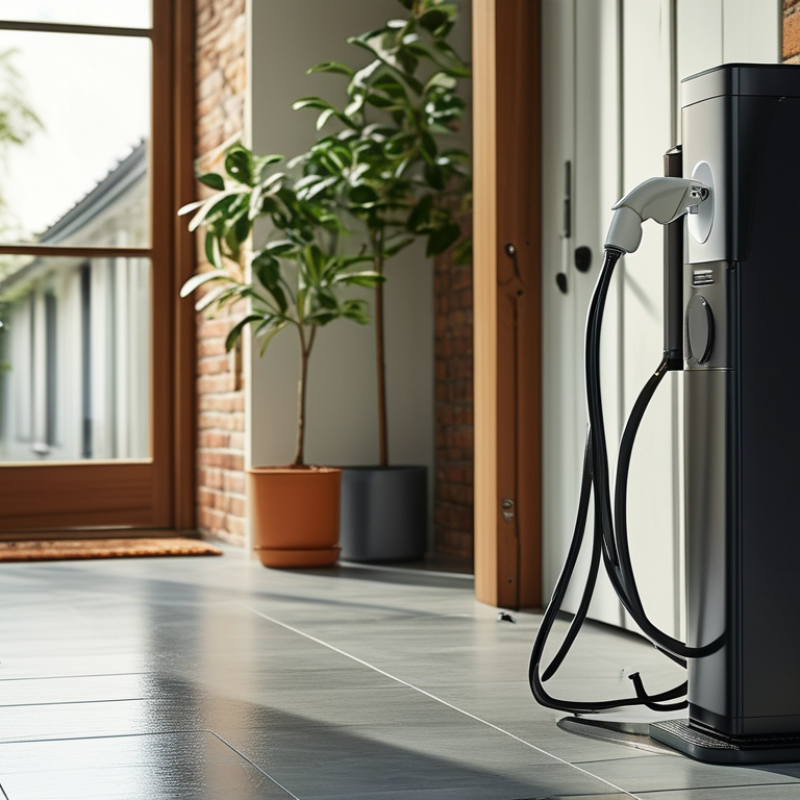
As electric vehicles continue to gain popularity, having a reliable DC fast charger at home is essential. The right DC fast charger home can significantly enhance your EV charging experience. With various models available, knowing what to look for is crucial.
Home charging solutions should not only be efficient but also fit seamlessly into your lifestyle. Consider the power output, charging speed, and compatibility with your vehicle. Some chargers come with smart features, making it easier to manage your energy usage. However, not every charger on the market will meet your needs. Research and reviews play an important role in making the right choice.
Investing in a DC fast charger means you're committed to a sustainable future. Yet, there's no one-size-fits-all solution. You might find that several models check the boxes but still leave you wanting more. Don't rush into a purchase without understanding the implications.
What is a DC Fast Charger and How Does It Work?
A DC fast charger is an essential device for electric vehicle owners. It rapidly replenishes the battery, enabling longer journeys without extensive downtime. Unlike standard chargers, DC fast chargers convert direct current (DC) from the grid to deliver high voltage, allowing for quicker charging times. Typically, they can recharge an EV battery to 80% capacity in about 30 minutes.
When considering a DC fast charger for home use, pay attention to the charging speed. A higher power rating means shorter charging times. However, your home electrical system must support it. Inspect your existing wiring and transformer capabilities. Also, consider the installation cost, which can vary significantly. Potential complications in electrical setup may turn into unexpected expenses later.
Design matters too. Choose a compact unit if space is limited. Weatherproof models are a plus for outdoor environments. Additionally, always check for compatibility with your vehicle's battery. Some models may not work with certain EV types. In the end, while finding the right charger seems straightforward, the journey may require a little extra thought and adjustment. Don't overlook the importance of consulting with a qualified electrician before installation.
Key Features to Consider for Home DC Fast Chargers
When choosing a DC fast charger for home use, several key features should be evaluated. Charging speed is paramount. Studies show that a high-output charger can reduce charging time significantly. For instance, most home chargers provide around 7.2 kW, while advanced options may deliver up to 22 kW. Choosing a charger with a higher output can minimize downtime for EV owners.
Another important aspect is compatibility. Not all EVs utilize the same charging connectors. Ensuring that your selected charger is compatible with your vehicle, as well as others you may own in the future, is crucial. Recent reports indicate that approximately 60% of EV owners prioritize compatibility when selecting charging solutions. Furthermore, safety features cannot be overlooked. High-quality units often include over-voltage protection, temperature monitoring, and sturdy construction to withstand various weather conditions.
Installation location should also be considered. A well-installed charger can enhance ease of access while ensuring safety. Research indicates that nearly 40% of charger malfunctions stem from improper installation. Paying attention to these details will ensure a reliable home charging experience. Balancing these features can sometimes lead to compromises, such as opting for a less powerful model to save costs. However, it's essential to focus on long-term usability and convenience.
2026 Best DC Fast Charger for Home Use - Key Features Comparison
Types of DC Fast Chargers Available for Home Use
When selecting a DC fast charger for home use, understanding the types available is crucial. There are three main categories to consider: Level 2 chargers, DC Fast Chargers, and solar-powered models. Level 2 chargers are widely used and offer good charging speeds. They usually connect to a 240V outlet and can provide a full charge in a few hours. However, they may not satisfy those needing rapid charging for long-distance travel.
DC Fast Chargers, on the other hand, deliver much higher charging rates. They operate at higher voltages, allowing for quicker turnaround times. These chargers can refill a vehicle's battery to about 80% in as little as 30 minutes. Despite their effectiveness, they are typically more expensive and require specialized installation. Homeowners must consider available electrical infrastructure before choosing this option.
Solar-powered chargers are an innovative alternative. They harness solar energy, making them environmentally friendly. However, their efficiency can fluctuate based on sunlight availability. This option may not be ideal for everyone, especially in regions with less consistent sunlight. Each type presents unique advantages and potential drawbacks, making informed decisions essential for effective home charging solutions.
2026 Best DC Fast Charger for Home Use - What to Look For?
| Charger Type |
Power Output (kW) |
Charging Time (Minutes) |
Compatibility |
Price Range (USD) |
| Level 1 DC Fast Charger |
7.2 |
240 |
Nissan Leaf, BMW i3 |
500 - 800 |
| Level 2 DC Fast Charger |
19.2 |
60 |
Tesla, Chevrolet Bolt |
1,000 - 1,500 |
| Ultra DC Fast Charger |
150 |
30 |
All EVs with CCS |
5,000 - 8,000 |
| Smart DC Fast Charger |
22 |
90 |
Multiple Models |
2,500 - 4,000 |
Safety Considerations When Installing a Home DC Fast Charger
When considering the installation of a home DC fast charger, safety must be prioritized. According to the U.S. Department of Energy, electric vehicle (EV) charging systems are safe when properly installed. However, improper installation can lead to risks such as electrical fires or shock. Ensuring that the electrical system can handle the additional load is crucial. Homes often lack the adequate wiring needed for high-power chargers, which can create serious hazards.
Moreover, understanding local regulations is vital. The National Fire Protection Association emphasizes the importance of adhering to installation standards and codes. It's necessary to hire certified professionals who can conduct proper assessments. They ensure that all electrical components meet safety criteria. This practice minimizes risks, creating a safe charging environment.
Pay attention to the site selection as well. The charger should be placed near your electrical panel and away from water sources. Avoiding exposed wires and ensuring proper ventilation can prevent overheating. Regular maintenance checks can also identify potential issues before they escalate.
Homeowners should consider their own skills. If you're not confident in your abilities, it’s better to seek help. This could avoid costly mistakes and ensure a safer installation. Keeping these safety considerations in mind will lead to a more secure and efficient charging experience for your electric vehicle.
Cost Analysis: Budgeting for a Home DC Fast Charger Setup
When considering a home DC fast charger, cost is a crucial factor. The average installation can range between $2,500 to $5,000. This includes the charger unit, electrical upgrades, and labor costs. Industry reports suggest that many homeowners see a return on investment through savings on fuel costs. Studies indicate that switching to electric vehicles can save drivers up to $1,000 annually compared to gasoline vehicles.
Installation costs can vary based on location and wiring requirements. Older homes may require significant upgrades to handle the additional power demand. Analyzing your local area's electricity rates is essential. In regions with higher electricity costs, the savings from using a DC fast charger may be less significant. It’s worth evaluating how often you will charge at home versus using public charging stations.
For budgeting effectively, consider potential incentives. Many states offer rebates for installing electric vehicle chargers. Research your area’s rules and regulations. This can sometimes offset initial expenses. Also, plan for maintenance costs, which may arise over time. Reflecting on overall usage habits can yield insights that might lead to cost savings.
FAQS
: A DC fast charger rapidly replenishes an electric vehicle's battery, allowing longer trips with short downtime.
Typically, a DC fast charger can recharge an EV battery to 80% in about 30 minutes.
Inspect your existing wiring, power rating, and installation costs. Ensure your electrical system supports higher loads.
Improper installations can lead to electrical fires or shocks. It’s crucial to follow safety codes and hire certified professionals.
Installation costs average between $2,500 to $5,000, including the charger unit and necessary electrical upgrades.
Older homes may need significant upgrades for wiring and power demand, which can increase overall costs.
Many states offer rebates that can help offset initial installation costs. Research local regulations for available incentives.
Regular checks for wear and potential issues can prevent costly repairs and ensure a safe charging experience.
No, you should also consider compatibility with your EV, space for installation, and overall electrical setup.
Place the charger near your electrical panel, away from water sources, avoiding exposed wires and ensuring ventilation.
Conclusion
A DC Fast Charger for home use is a crucial device for electric vehicle owners, providing rapid charging capabilities that significantly reduce downtime. These chargers work by converting AC power from the grid into DC power, delivering high voltage directly to the vehicle’s battery. When selecting a DC Fast Charger for home, key features to consider include charging speed, compatibility with your vehicle, installation requirements, and safety features.
There are various types of DC Fast Chargers available, each designed to meet different power needs and site conditions. Additionally, safety considerations are paramount during installation to ensure compliance with local regulations and to prevent hazards. Budgeting for a home DC Fast Charger setup involves assessing the initial costs, installation charges, and potential savings from reduced charging time. Overall, investing in a DC Fast Charger home solution enhances convenience and efficiency for electric vehicle charging.