
2026 Best 30kW DC Fast Charging Station with OCPP?

Time:2026-09-15 Author:Oliver
0%

Choosing the 2026 best 30kW DC fast charging station requires more than comparing output figures. A reliable Dc Fast Charging Station 30kw Ocpp should deliver stable power, clear data, and practical service support. Its 30kW output can replenish many compatible vehicles during shopping stops, fleet breaks, or workplace visits. However, charging speed depends on battery limits, temperature, cable ratings, and vehicle communication.

OCPP compatibility matters for operators managing several chargers. OCPP 1.6J remains widely supported, while newer platforms may offer OCPP 2.0.1 features. These can improve remote diagnostics, smart charging, user access, and energy management. Confirm the exact version, supported functions, and software update policy before purchase. A label alone proves little. The backend platform must also communicate reliably.

Real-world evaluation should include installation quality, enclosure protection, connector durability, emergency controls, and payment integration. Look for documented testing, transparent warranty terms, and responsive technical support. A well-designed 30kW charger should show useful status information in bright sunlight and continue recording sessions during brief network interruptions. Small details matter. A loose cable can damage user confidence quickly.

Field experience often reveals gaps that product sheets hide. Some units advertise high efficiency but provide limited guidance for busy sites. Others offer OCPP support without explaining cloud fees or firmware responsibility. That deserves scrutiny. The best choice balances electrical performance, operating cost, safety engineering, and long-term maintainability. Buyers should compare measured performance, not promotional language alone. Availability may also vary by region, so local service capacity should influence the final decision.
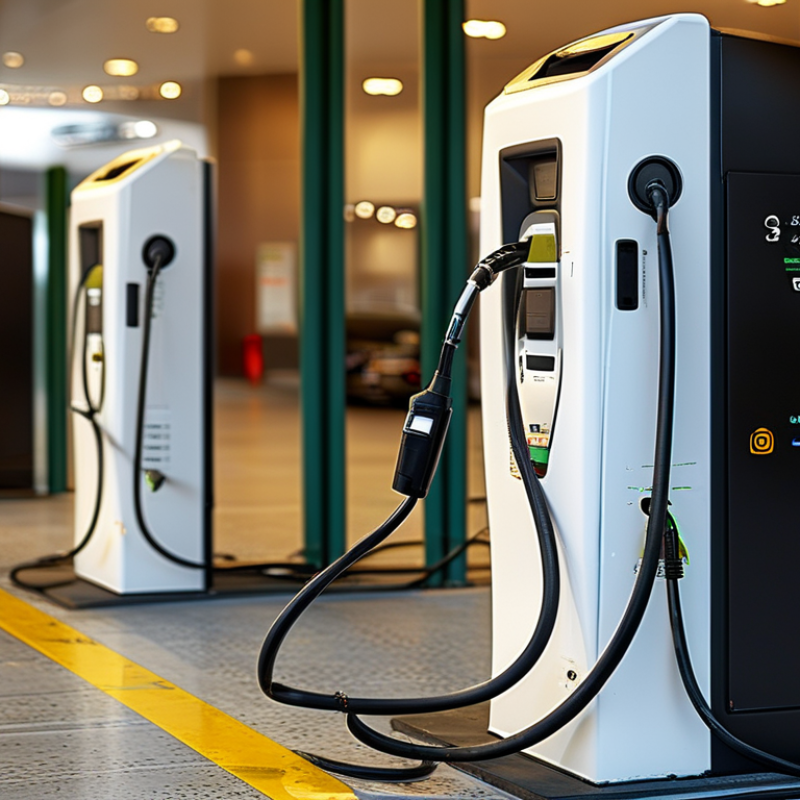
2026 Best 30kW DC Fast Charging Station with OCPP?

What Is a 30 kW DC Fast Charging Station with OCPP?

A 30 kW DC fast charging station with OCPP delivers direct current to an electric vehicle’s battery. It usually charges faster than a comparable AC unit because the conversion hardware sits inside the charger. In practical use, a driver may connect the cable, authenticate, and watch charging data appear within seconds. The actual power can change with battery temperature, state of charge, and vehicle limits. Thirty kilowatts is not guaranteed every minute.

OCPP allows the station to communicate with charging management software from different providers. Operators can check status, start or stop sessions, review energy use, receive fault alerts, and manage remote updates. A reliable installation should support secure communication, clear error logs, stable Ethernet or cellular connectivity, and documented OCPP compatibility. Testing both the charger and backend matters.

Small details affect daily performance. A flexible cable helps in crowded parking spaces. A readable screen remains useful under strong sunlight. Load management can prevent several units from exceeding a site’s electrical capacity. However, OCPP cannot repair a weak power supply or poor network connection. I have seen charging data look normal while a loose connection caused repeated interruptions. That is why buyers should verify real charging tests, maintenance access, safety certifications, warranty terms, and software support before calling any 30 kW model the best choice for 2026.

What Is a 30 kW DC Fast Charging Station with OCPP?

A 30 kW DC fast charging station converts AC power to regulated DC power and delivers it directly to an electric vehicle battery. The chart shows a representative 60-minute charging session, where output gradually decreases as the battery approaches a higher state of charge. OCPP enables remote monitoring, session control, status reporting, and energy-meter data exchange between the charger and a backend platform.

The example session delivers approximately 21.9 kWh in one hour. Actual results vary with battery temperature, vehicle limits, state of charge, cable ratings, and grid conditions. A 30 kW station can provide up to 30 kW when the vehicle and charging conditions allow it.

How a 30 kW OCPP-Compliant DC Charger Works

How a 30 kW OCPP-Compliant DC Charger Works

A 30 kW DC charger converts grid electricity into controlled direct current. Its power module rectifies AC, regulates voltage, and sends energy through the vehicle connector. The vehicle’s battery management system controls charging limits. Vehicle communication usually follows ISO 15118 or DIN 70121, not OCPP. OCPP links the charger with a central management system. It can exchange authorization, charging status, meter values, diagnostics, and smart-charging commands.

The process starts when the charger connects to the management platform. It reports its identity and operating condition, then receives configuration settings. After vehicle authentication, the platform can authorize a session remotely. OCPP 2.0.1 adds stronger device management, improved security, and clearer smart-charging functions. These features matter when several chargers share a limited electrical connection.

Thirty kilowatts is modest, but useful. A 60 kWh battery charged from 20% to 80% needs about 36 kWh. In ideal conditions, that takes 72 minutes. Real losses may extend it beyond 75 minutes. Small details matter.

The International Energy Agency reported more than four million public charging points worldwide at the end of 2023, with growth exceeding 40% that year (IEA, Global EV Outlook 2024). This expansion increases the need for reliable monitoring and load control. However, OCPP compliance alone does not guarantee fast charging. Cable temperature, grid capacity, software quality, and site maintenance still shape daily performance. I would test all four before calling a 30 kW station “best.”

2026 Best 30kW DC Fast Charging Station with OCPP? - How a 30 kW OCPP-Compliant DC Charger Works

Category Specification / Data How It Works or Why It Matters
Rated DC Output Power 30 kW continuous maximum The charger can deliver up to 30 kilowatt-hours of energy in approximately one hour under suitable battery and grid conditions.
Typical DC Output Voltage Approximately 200–1000 V DC, depending on the design A wide voltage range allows compatibility with many passenger EVs, vans, and light commercial vehicles. The vehicle and charger negotiate the actual voltage.
Maximum DC Output Current Up to approximately 75–150 A, depending on output voltage At 30 kW, current is approximately 150 A at 200 V and 30 A at 1000 V. The charger limits current according to the EV battery request.
AC Grid Input Typically 380–480 V AC, three-phase, 50/60 Hz Three-phase input supports stable power conversion and is commonly used for commercial charging installations. Exact requirements vary by local electrical standards.
Estimated AC Input Power Approximately 32–35 kW at full output Input power is higher than the rated DC output because of conversion losses and auxiliary loads.
Power Conversion Efficiency Typically 94–97% at or near rated load Efficiency depends on load level, temperature, power-module design, and installation conditions.
Charging Connector Usually CCS2, CCS1, or another regional DC standard The connector must match the vehicle and the charging regulations of the installation market. Connector availability is not determined by OCPP.
Vehicle Communication ISO 15118 and/or DIN 70121, depending on vehicle and charger support This local communication link allows the EV and charger to exchange battery voltage, current limits, charging status, and stop conditions.
OCPP Support OCPP 1.6 JSON; OCPP 2.0.1 may be available depending on the model OCPP connects the charging station to a central management system for monitoring, authorization, transactions, diagnostics, and configuration.
OCPP Network Connection Ethernet, Wi-Fi, or cellular connection, subject to equipment configuration The charger uses a secure IP connection to exchange OCPP messages with the backend platform. Network reliability affects remote operation.
Common OCPP Functions Authorize, StartTransaction, StopTransaction, MeterValues, StatusNotification, Reset, Firmware Update These functions support remote session control, energy measurement, fault reporting, maintenance, and software management.
Typical Charging Time: 40 kWh Battery Approximately 60–90 minutes for a 20–80% charge A 20–80% session supplies about 24 kWh. The estimate assumes suitable vehicle acceptance, normal temperature, and approximately 24–30 kW average charging power.
Typical Charging Time: 60 kWh Battery Approximately 90–130 minutes for a 20–80% charge A 20–80% session supplies about 36 kWh. Charging may slow near a high state of charge because of battery-management limits.
Energy Metering Integrated energy meter; certified meter may be required for billing The meter records delivered energy for reporting and transactions. Legal billing requirements depend on the country or region.
User Authentication RFID, mobile application, QR code, or backend authorization OCPP enables the backend to authorize users and associate charging energy with a user, vehicle, fleet, or payment account.
Protection Features Overcurrent, overvoltage, short circuit, leakage, overtemperature, emergency stop, and surge protection Protection systems monitor electrical and thermal conditions and stop or reduce output when an unsafe condition is detected.
Operating Temperature Commonly about −20°C to +50°C, subject to the selected enclosure and derating curve At high or low temperatures, the charger may reduce output power to protect electronic components and maintain safe operation.
Enclosure and Installation Floor-mounted or wall-mounted; outdoor protection commonly rated IP54 or higher The installation requires suitable foundations, ventilation or clearances, upstream protection, grounding, and compliance with local electrical codes.
Best-Fit Applications Workplaces, dealerships, apartment complexes, fleet depots, retail parking, and destination charging A 30 kW DC charger provides faster replenishment than typical AC charging while requiring less grid capacity than high-power public DC systems.

Note: Electrical ratings, connector options, communication protocols, protection levels, and charging times vary by charger configuration, vehicle model, battery temperature, state of charge, and local regulations.

Key Features to Compare in the Best 30 kW DC Chargers

When comparing the best 30 kW DC fast charging stations in 2026, power delivery is only one part of the decision. A reliable unit should maintain stable output during repeated sessions, even in a warm parking area. Check whether it supports common battery voltages and delivers power smoothly below peak capacity. A clear display should show voltage, current, energy delivered, charging time, and fault messages. Small details matter.

OCPP support makes the charger easier to manage remotely. Look for OCPP 1.6J or OCPP 2.0.1 compatibility, depending on your software platform. The system should report session status, energy use, errors, and connector availability in real time. Remote restart can reduce unnecessary site visits. Firmware updates should be controlled and traceable. Test this feature before installation. It often receives less attention than the advertised charging speed.

Physical design deserves equal scrutiny. A flexible cable, strong connector holder, and readable screen improve daily use. Check the enclosure rating, operating temperature range, emergency stop, and protection against overcurrent and residual faults. A 30 kW charger may serve workplaces, fleets, and small public sites effectively, but its installation still needs suitable electrical capacity. In my experience, confusing menus create more complaints than slow charging. No charger is perfect. Some units promise advanced analytics but provide limited historical data. Ask for a live demonstration, service response times, spare-part access, and independent test records before choosing.

Installation, Compatibility, and Network Management Requirements

A 30kW DC charging station is practical for workplaces, retail sites, and small public locations. It can add useful range during a shopping visit. However, “fast” depends on vehicle voltage, battery temperature, and charging limits. The International Energy Agency reported more than four million public charging points worldwide in 2023, with installations growing over 40% from 2022. Site selection now matters as much as output power.

Installation should begin with a load assessment, not a product brochure. A 30kW unit may need three-phase power, upstream protection, grounding, ventilation, and weather-rated mounting. Confirm connector compatibility with local vehicles, including CCS or other regional standards. Check cable reach carefully. A short cable can make a convenient parking space unusable. The U.S. Department of Energy’s Alternative Fuels Data Center emphasizes dependable access, safety, and clear equipment information. Field conditions are often less perfect than drawings suggest.

OCPP support should include remote monitoring, diagnostics, firmware management, user authorization, and smart charging controls. OCPP 2.0.1 offers broader device management and security functions than older versions, but compatibility still requires testing between the charger and backend system. Confirm cellular or Ethernet coverage, transaction records, alert rules, and offline operation. The Open Charge Alliance identifies interoperability as a core purpose of OCPP. Do not assume every “OCPP-compatible” claim works smoothly. A pilot installation, measured uptime, and documented service response reveal more than a specification sheet.

How to Select the Right 30 kW DC Fast Charging Station in 2026

How to Select the Right 30 kW DC Fast Charging Station in 2026

A 30 kW DC charger suits workplaces, hotels, fleets, and urban sites with moderate traffic. It can add useful range during a short break. However, maximum power is not the whole story. The IEA’s Global EV Outlook 2024 reported more than four million public charging points worldwide by the end of 2023. Public fast-charging growth also remained strong. This suggests operators should plan for rising demand, not today’s queue length.

Check real-world output, voltage range, and thermal performance. A unit rated at 30 kW may reduce power in hot weather or during continuous use. Ask for efficiency data, operating temperature limits, IP protection, and cable length. OCPP 2.0.1 can support remote monitoring, smart charging, diagnostics, and software updates. Confirm compatibility before installation. Payment support, emergency shutdown, load balancing, and clear fault records also matter. A perfect specification rarely survives a difficult site visit.

Tips: Compare measured performance, not only brochure ratings. Request a test report under high ambient temperatures. Choose modular service access when possible. Review the site’s incoming power first. A 30 kW charger may need more capacity than expected after conversion losses. Also check local grid rules and safety requirements. The cheaper installation can become the expensive choice. As the ICCT’s charging-infrastructure analyses indicate, reliability and charger availability strongly influence public charging usefulness. Do not ignore uptime targets. They are easy to promise and harder to maintain.

FAQS

What is a 30 kW DC fast charging station?

It sends controlled direct current to an electric vehicle’s battery. The conversion hardware sits inside the station. Charging can be faster than comparable AC equipment. Actual power may fall because of battery temperature, charge level, or vehicle limits.

What does OCPP do?

OCPP connects the charger with management software. Operators can authorize sessions, view energy use, receive fault alerts, and restart equipment remotely. It does not fix weak electricity supplies or unstable networks.

How long can charging take?

A 60 kWh battery charging from 20% to 80% needs about 36 kWh. At an ideal 30 kW, charging takes roughly 72 minutes. Real losses may push this beyond 75 minutes. Thirty kilowatts is not constant.

Which details affect everyday charging?

Cable flexibility helps in crowded parking spaces. A readable screen remains useful in strong sunlight. Stable Ethernet or cellular connectivity supports reliable data. Loose connections can cause repeated interruptions, even when software appears normal.

Which OCPP version should buyers consider?

OCPP 1.6J and OCPP 2.0.1 are common options. OCPP 2.0.1 offers stronger security and clearer device management. Confirm compatibility with the chosen management platform. Test it before installation.

Can several chargers operate on one electrical connection?

Yes, load management can distribute available power. It helps prevent several units from exceeding site capacity. Performance still depends on the building’s electrical supply. Software cannot create missing power.

What safety and design features matter?

Check overcurrent protection, residual-fault protection, emergency stopping, and enclosure ratings. Inspect the operating temperature range. A strong connector holder prevents cable strain. Small hardware details affect daily reliability.

How should a buyer evaluate a charger before purchase?

Request a live charging demonstration and independent test records. Review maintenance access, warranty terms, spare-part availability, and service response times. Check historical data quality, not only advertised analytics. I would not call any model perfect.

Conclusion

A 30 kW DC fast charging station with OCPP is a practical solution for workplaces, commercial parking areas, fleets, and public locations that need faster charging without the infrastructure demands of higher-power systems. The term “Dc Fast Charging Station 30kw Ocpp” describes a charger that delivers direct current at up to 30 kW while supporting the Open Charge Point Protocol, enabling communication with compatible management platforms. This allows operators to monitor sessions, manage users, track energy consumption, configure charging policies, and receive operational data remotely.

When selecting the best 30 kW DC charger in 2026, consider charging connector compatibility, output stability, safety protections, screen usability, weather resistance, payment options, and software functionality. Installation planning should include electrical capacity, site layout, ventilation, network connectivity, grounding, and local compliance requirements. A suitable charger should also support reliable remote diagnostics, firmware management, load control, and future system expansion. The right choice balances charging performance, installation cost, network flexibility, maintenance needs, and long-term operational value.

Oliver

Oliver

Oliver is a seasoned marketing professional with a wealth of expertise in driving brand awareness and engagement. With a deep understanding of our company's product offerings, he consistently delivers high-quality content that enriches our professional blog. His insights not only shed light on......